The fragile U.S.-Iran peace effort appeared to advance Monday, but major disputes remain unresolved as Israel signaled it will not withdraw forces from southern Lebanon while Iran indicated it expects access to frozen funds before final negotiations are completed.
According to multiple reports, U.S. and Iranian negotiators have reached a tentative framework agreement that would extend the current ceasefire, reopen the Strait of Hormuz, and create a path toward broader negotiations over Iran’s nuclear program. A formal signing ceremony is reportedly being planned for Friday in Geneva.
One of the biggest sticking points remains Lebanon.
Israeli officials have made clear they do not intend to withdraw from territory seized during operations against Hezbollah. Israeli Defense Minister Israel Katz said Israel would maintain security zones in Lebanon regardless of outside pressure, arguing the deployments are necessary to protect Israeli communities from future attacks.
תקפנו בדאחייה בביירות מטרות טרור של ארגון הטרור חיזבאללה. ישראל לא תסבול ירי לשטחה pic.twitter.com/wVARFCkDQe
— Benjamin Netanyahu – בנימין נתניהו (@netanyahu) June 14, 2026
That position directly conflicts with Iranian demands. Tehran has repeatedly pushed for an end to hostilities on all fronts, including Lebanon, and has tied broader peace efforts to the situation along Israel’s northern border. Iranian officials view Lebanon and Hezbollah as central components of any lasting regional settlement.
Another unresolved issue involves money.
Reports indicate Iran expects the release of frozen assets as part of the agreement. Some accounts place the figure at roughly $25 billion, although final terms have not been publicly confirmed. Tehran has signaled that sanctions relief and access to frozen funds are key components of any final deal.
It looks as if the White House will play the Iran deal as "no cash" and ending the nuclear program. That's misleading because it apparently unfreezes assets and money is fungible, and because there is apparently no nuclear deal. Basically, it seems that Iran gets rewards for… https://t.co/FBbomck9LD
— Nicholas Kristof (@NickKristof) June 14, 2026
The proposed framework reportedly includes commitments related to Iran’s nuclear program, reopening the Strait of Hormuz, and a 60-day period for negotiating the fate of Iran’s enriched uranium stockpile. However, negotiators have yet to resolve several major technical and political questions. (RELATED: Pentagon Weighs Next Steps For Iran’s Nuclear Stockpile Under Proposed Agreement)
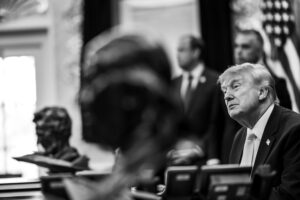
President Donald Trump has insisted the agreement remains on track despite recent tensions with Israel. Over the weekend, Trump publicly criticized Israeli Prime Minister Benjamin Netanyahu over military actions that nearly disrupted the talks, while continuing to argue that the proposed deal would prevent Iran from obtaining a nuclear weapon. (RELATED: Trump’s Birthday Includes Profanity-Laced Rebuke Of Netanyahu)
Iran, meanwhile, has sent mixed signals. While Iranian officials have participated in negotiations and acknowledged progress, Tehran has repeatedly cautioned that no final decision has yet been made and that key conditions remain under review.
For now, diplomats appear focused on keeping the negotiations alive long enough to reach a formal agreement. Whether the remaining disputes over Lebanon, sanctions relief, frozen assets, and Iran’s nuclear program can be resolved before the planned signing remains uncertain.
READ NEXT: Mitch McConnell Hospitalized, Office Issues Update