

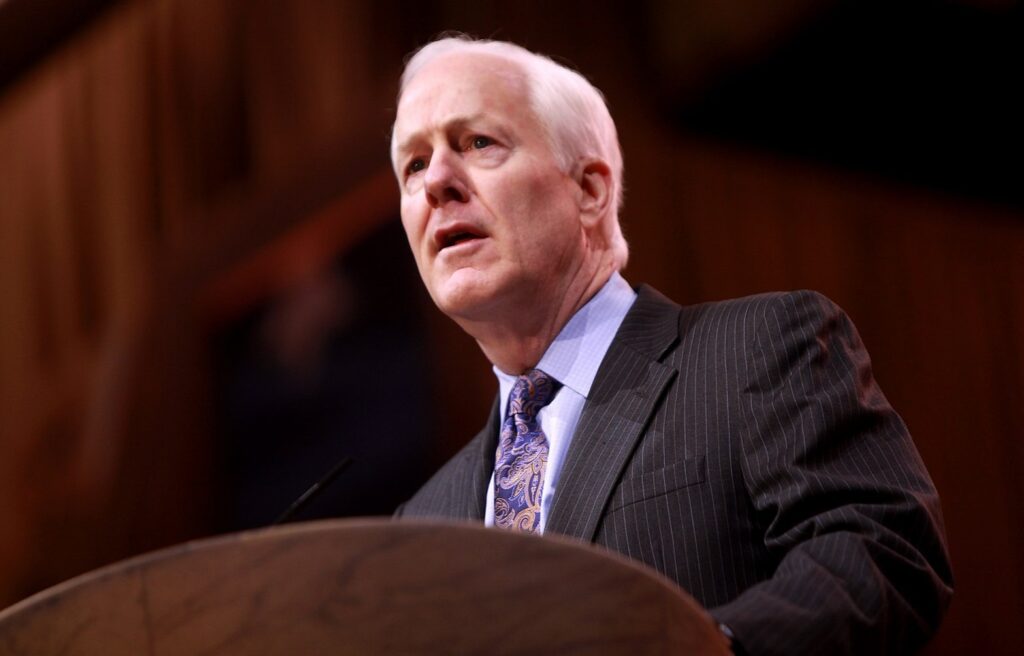
Texas Attorney General Ken Paxton has decisively defeated longtime U.S. Sen. John Cornyn in one of the most closely watched Republican primaries in the country, delivering a major victory for the populist wing of the GOP and ending the political career of one of Texas’ most durable establishment conservatives.
The result marks more than just a primary upset. It is a defining moment in the broader transformation of the Republican Party — one driven increasingly by grassroots activists, conservative media, and President Donald Trump’s influence over GOP voters.
For Cornyn, the loss closes the chapter on a Senate career that began in 2002 and included leadership roles at the highest levels of the Republican conference. For Paxton, it represents the culmination of a years-long rise from Tea Party insurgent to one of the most polarizing and influential conservative figures in America.
And for Republicans nationally, the runoff exposed a difficult reality: even well-funded incumbents with deep institutional backing are vulnerable if they lose touch with the party’s activist base.
How the Cornyn-Paxton Rivalry Became a Republican Civil War

The race had been building for years.
Paxton and Cornyn represented two very different versions of Texas conservatism. Cornyn, a former Texas Supreme Court justice and state attorney general, built his reputation as a disciplined institutional conservative focused on Senate leadership, judicial confirmations, and legislative strategy.
Paxton, meanwhile, became a national conservative celebrity through lawsuits against the Biden administration, aggressive immigration litigation, and his alignment with Trump-era populism.
Their ideological differences were often overstated. Both men held reliably conservative voting records and supported most Republican priorities. But style, trust, and political identity ultimately mattered more than policy specifics.
Cornyn’s support for bipartisan legislation after the Uvalde school shooting, his past comments criticizing Trump following Jan. 6, and his reputation as a Washington insider became liabilities in a Republican electorate increasingly skeptical of institutional politics.
Paxton capitalized on that frustration from the start.
His campaign framed Cornyn as part of an old Republican establishment that voters no longer trusted to fight aggressively enough on immigration, cultural issues, or government accountability. Trump’s endorsement late in the race gave Paxton additional momentum and reinforced the central message of his campaign: that he — not Cornyn — represented the future of the Republican Party.
A Brutal and Expensive Texas Senate Runoff
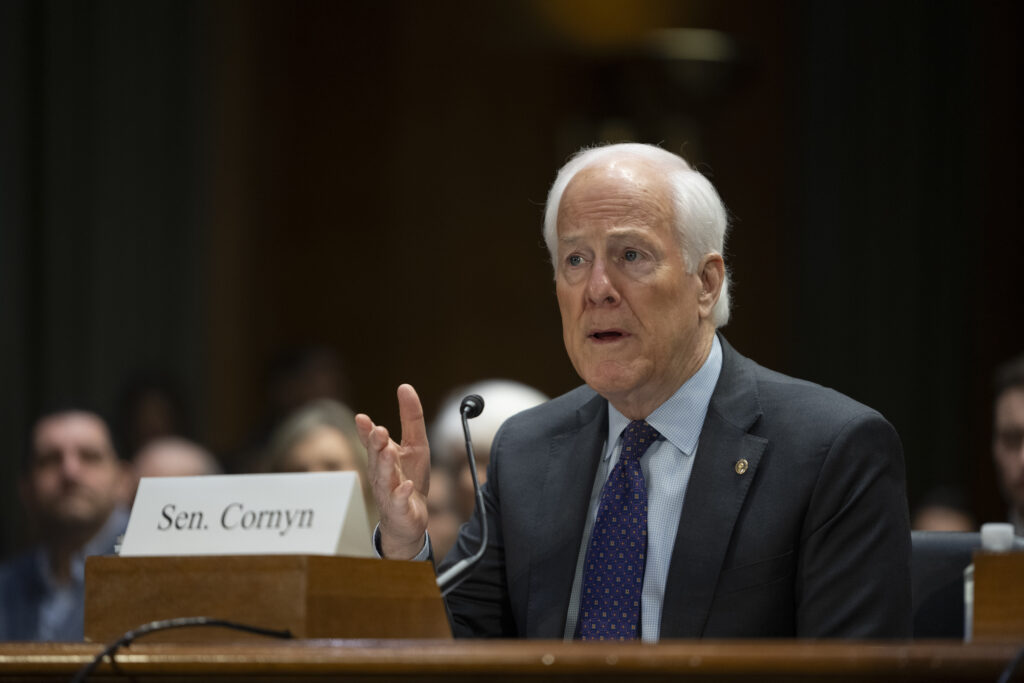
The primary and subsequent runoff quickly became the most expensive Senate primary contest in American history.
Cornyn and allied super PACs poured tens of millions into television ads portraying Paxton as ethically compromised and politically dangerous. Paxton’s legal controversies — including a past securities fraud indictment and his 2023 impeachment by the Texas House — became central themes of the anti-Paxton messaging.
Paxton countered by tying Cornyn to the Republican establishment in Washington and arguing the senator had failed to represent the conservative instincts of Texas voters.
The race became so bitter that even Texas Republican Party leaders publicly expressed concern about the damage being done ahead of the general election.
Still, the political environment consistently appeared to favor Paxton.
Polling throughout the runoff showed Republican voters increasingly motivated by anti-establishment sentiment and Trump loyalty rather than seniority or legislative influence.
Lower-turnout runoff elections also historically favor highly motivated ideological voters — precisely the coalition Paxton spent years cultivating.
Trump’s Influence Still Dominates Republican Primaries

The Texas runoff also became another test of Trump’s continuing influence inside the Republican Party.
Cornyn attempted to emphasize his overwhelmingly conservative voting record and alignment with Trump administration priorities. But Paxton’s campaign successfully turned the race into a referendum on loyalty and political identity rather than legislative metrics.
Once Trump formally endorsed Paxton, the momentum shifted decisively.
For many Republican primary voters, the endorsement validated Paxton’s argument that Cornyn belonged to an older Republican coalition increasingly disconnected from the party base.
The result sends a broader message to Senate Republicans nationwide: institutional credibility and fundraising strength are no longer enough to protect incumbents from populist challengers.
Can Ken Paxton Win the General Election?

That question now becomes one of the biggest political stories in the country.
Republicans still hold structural advantages in Texas statewide races, and Trump carried the state comfortably in 2024. But Democrats believe Paxton’s legal baggage and polarizing image could create an opening in a state that has gradually become more competitive over the past two decades.
Democratic nominee James Talarico has already positioned himself as a younger, less combative alternative capable of attracting suburban moderates and independents uneasy with both parties’ extremes. Early polling showed Talarico competitive against both Cornyn and Paxton.
That does not mean Republicans are suddenly in danger of losing Texas. But Paxton’s candidacy almost certainly guarantees a far more expensive and nationally watched Senate race than Republicans would have faced under Cornyn.
Democrats will spend heavily trying to tie Paxton to ethics controversies and portray him as too divisive for suburban voters.
Republicans, meanwhile, will argue Paxton is exactly the kind of aggressive conservative fighter grassroots voters want in Washington.
What Paxton’s Victory Means for the Future of the GOP
In many ways, Tuesday’s runoff was never just about Texas.
It was about whether the Republican Party still rewards seniority, institutional relationships, and legislative effectiveness — or whether Republican voters now prioritize confrontation, outsider energy, and ideological combat above all else.
Tonight’s result suggests the latter remains true.
Paxton’s victory reinforces the reality that the Republican electorate has fundamentally changed over the past decade. Candidates aligned with the populist conservative movement continue to outperform more traditional Republicans, particularly in low-turnout primaries where activist voters dominate.
The center of gravity inside the GOP continues moving away from the Bush-era Republican model represented by Cornyn and toward the combative populism embodied by Paxton.
The next major question for Republicans is whether that political style works as effectively in a rapidly evolving statewide electorate as it does in the far more ideological environment of a Republican runoff.
This is a breaking news story. Please check back for updates.
READ NEXT: Republicans Are Asking Who Really Runs The Senate





















THune better get his head out of his ass and start seeing there is millions of Trump supporters not millions of Thune or Republican Party supporters.