
Amid the fallout from Kamala Harris’ unsuccessful bid for the presidency, a new report has revealed that the campaign ended up $20 million in the red, despite raising over $1 billion from donors. The loss has drawn attention not only to the overall financial mismanagement but also to one particularly expensive and seemingly ineffective decision: the campaign’s high-cost concert series staged on the eve of the election. The rock concerts, featuring pop superstars like Lady Gaga, Katy Perry, and Jon Bon Jovi, were supposed to energize “low-propensity voters” in crucial swing states. Instead, they are now being seen as a financial misstep that contributed to the campaign’s massive deficit and a symptom of an overall misguided strategy.
A $20 Million Gamble on Pop Stars
The concerts, which took place in swing states on the night before the election, were billed as a last-ditch effort to drive voter turnout. The performances included major names such as Lady Gaga in Philadelphia, Katy Perry in Pittsburgh, Jon Bon Jovi in Detroit, and Christina Aguilera in Las Vegas.
Sources from within the campaign revealed that the events came at a huge cost — one that many in Harris’ inner circle are trying to downplay. According to The New York Post, the concerts collectively cost around $20 million, a sum that ultimately strained the already over-extended campaign budget. While some of the performers reportedly waived their fees, the campaign still had to cover a hefty price tag for things like stage production, sound systems, security, and other logistical costs associated with putting on a major event. As one anonymous source described it, the budget for the concerts was bloated by last-minute planning, which led to even higher production costs.
The Backlash: Indecision and Finger-Pointing
As the dust settles, campaign staff are desperate to distance themselves from the concert planning in the ongoing blame game. According to sources, campaign chairwoman Jen O’Malley Dillon claims she initially hesitated to approve the concert idea. Some sources suggested that her indecision in green-lighting the concerts led to a rush job, which in turn led to increased costs. O’Malley Dillon is reportedly attempting to scapegoat Stephanie Cutter.
Additionally, Dana Rosenzweig, who served as the campaign’s operations chief, is now facing questions about her oversight of the campaign’s budget. One source pointed out that Rosenzweig’s handling of the funds contributed to the financial shortfall, stating, “They said they were ‘spending to zero.’ I guess they overshot zero.”
A Billion Dollars Gone: Campaign’s Financial Woes
Despite raising record funds — over $1 billion — Kamala Harris’ campaign found itself in significant debt in the final weeks before the election. According to multiple sources, the campaign’s budget was burned through at an alarming rate, leading to a deficit of approximately $20 million by the time of Election Day.
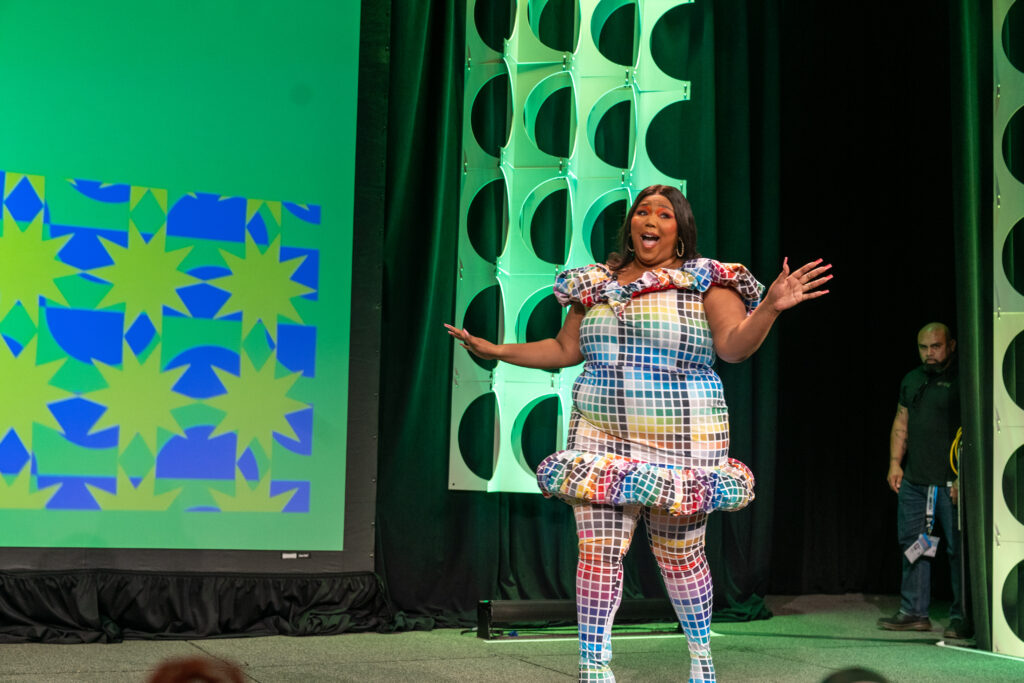
Along with the Election Eve concerts, the campaign held a series of celebrity-laden events throughout the year, including performances by artists such as Lizzo and Eminem, and the notorious Beyonce event in Houston that was falsely advertised as a free concert, enraging attendees. These events, which were reportedly “all Jen’s idea,” were intended to inject star power into the campaign and rally support. However, some critics within the campaign suggest that such lavish expenditures, particularly when compared to more traditional forms of outreach, were wasteful and ill-advised.
The Concert Strategy: A Hit or Miss?
The events on the eve of the election — billed as “concert-rallies” — were part of the campaign’s larger strategy to reach a younger and more diverse electorate. Kamala Harris, who had struggled to gain momentum throughout the primaries, needed an edge heading into the final stretch of the campaign. With traditional rallies falling flat, her team opted to enlist high-profile musicians to attract crowds and media attention.
However, many saw the reliance on celebrities as a distraction from the campaign’s lack of a clear message or strong grassroots support.
What Went Wrong?
The question that lingers over Harris’ failed presidential bid is: how could a campaign that raised over $1 billion still end up in the red by $20 million? The celebrity reliance — part of a larger strategy to appeal to low-propensity voters — may have been an expensive gamble that did not pay off. The money spent on the concerts, along with other high-profile celebrity events, contributed to the campaign’s unsustainable financial practices, leading to its ultimate demise.
The concerts themselves did little to change the outcome of the election. In fact, the swing states where these concerts took place — such as Pennsylvania, Michigan, and Nevada — all ultimately went to Donald Trump. Despite the star power on display, the concerts did not seem to sway voters in Harris’ favor, raising further questions about the effectiveness of such tactics.
The Fallout
As the dust settles from the failed presidential campaign, the consequences of these financial missteps are becoming more evident. Vendors and suppliers who worked on the concerts are reportedly now facing the prospect of unpaid invoices, further compounding the campaign’s financial troubles. The mounting debts and internal conflicts are now part of the broader narrative of a campaign that many insiders claim was poorly managed from the top down.









Costume courtesy of Barnum & Bailey. Agenda courtesy of Stalin & Mao.