




Democratic donors poured nearly half a billion dollars into Senate races in 2024, only to watch their candidates lose by wide margins. Campaign finance filings show that over $495 million was spent on Senate races in Texas, Montana, Ohio, Florida, and Missouri—states where Republican candidates are on track to win by at least four percentage points, according to The New York Times.
The bulk of this enormous spending went toward a flood of TV, radio, and online advertisements aimed at swaying voters. Yet despite these massive efforts, the results highlighted a painful reality for the Democratic Party: Money alone is not enough to secure political victories.
Ohio proved to be the most expensive and disappointing defeat for Democrats. Democratic Senator Sherrod Brown, along with allied groups, spent an astounding $194 million on ads, outreach, and other campaign efforts designed to either defend his seat or take down Republican challenger Bernie Moreno. However, as of Nov. 8, with over 95% of votes counted, Moreno had a commanding lead of about four points, or roughly 200,000 votes.
Similarly, in Montana, Democratic Sen. Jon Tester, who has long positioned himself as a centrist, found himself on the losing side despite spending nearly $160 million on his campaign and the efforts of outside groups. Montana is a state that Trump carried by more than 16 points in both 2016 and 2020, and despite Tester’s blue-collar appeal, he lost to Republican Tim Sheehy by around eight points, according to The New York Times.
The Texas Senate race, in which Democratic Rep. Colin Allred attempted to unseat Republican Sen. Ted Cruz, was another major expenditure that ultimately led to a defeat. Allred’s campaign and its allied groups spent about $92 million, but despite some early polling that suggested a closer race, Cruz triumphed by about nine points. Allred’s massive ad campaign, which attacked Cruz for his positions on border security and immigration, failed to turn the tide.
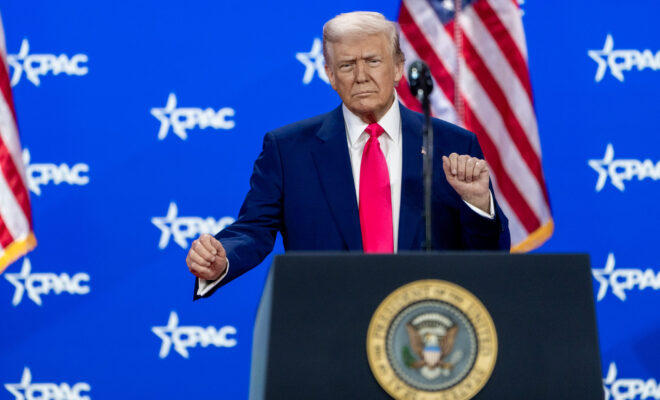
In the broader 2024 election context, Democratic presidential candidate Kamala Harris raised nearly three times as much money as her opponent, Donald Trump, with her campaign raking in roughly $1 billion. However, even with such a financial advantage, the Democratic Party faced significant challenges in key battleground races, leading many to question whether the party’s spending strategies were effectively targeting the right issues and voters.
While big-dollar campaigns may help keep a candidate competitive, they do not necessarily guarantee success, especially when candidates cannot effectively connect with voters’ core concerns.
The 2024 Senate race spending, then, stands as a stark reminder that electoral success often hinges on a delicate balance of strategy, messaging, and voter engagement—factors that go far beyond just throwing money at a campaign. For the Democratic Party, the road ahead may require more than just outspending their opponents—it will require a deeper understanding of the voters they hope to win over.