




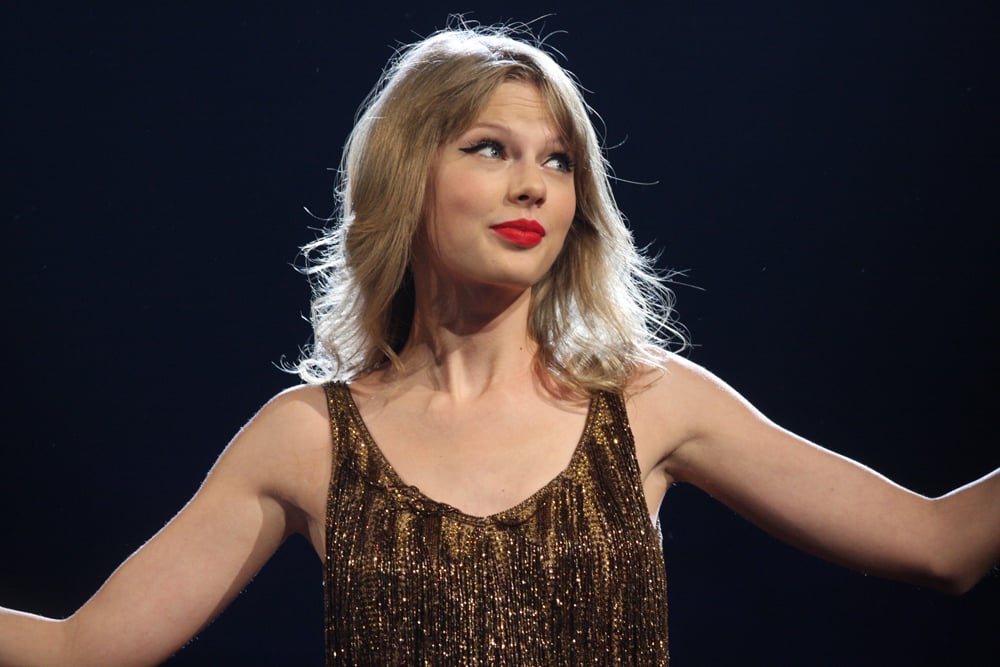
Celebrity endorsements have long been a staple of political campaigns, with the rich and famous helping to boost candidates’ profiles and sway public opinion. From Oprah Winfrey’s game-changing endorsement of Barack Obama in 2008 to Frank Sinatra’s support for President Franklin D. Roosevelt in the 1940s, stars have played a crucial role in shaping the political landscape. However, recent revelations, along with shifting cultural dynamics, have led to a seismic change in how effective these endorsements really are—especially for Vice President Kamala Harris’s 2024 campaign.
A recent article in The New York Times bluntly admits that, despite the high-profile backing of Hollywood’s elite, celebrity endorsements for Kamala Harris “failed to move the needle” and may have even “backfired” in some cases. While Hillary Clinton once benefited from star-studded events featuring Beyoncé, Oprah, and the cast of The Avengers, it seems that such endorsements are losing their sway with voters, especially as the country’s political and economic realities have changed.
According to the Times, the influence of “old-school” Hollywood stars like George Clooney, Barbra Streisand, Jennifer Lopez, and others has significantly diminished. Where once these A-list names could shift voter sentiment, they now appear more out of touch with everyday Americans struggling with economic hardships. In fact, a Republican strategist told the Times that a celebrity endorsement in today’s climate often signals to voters that a candidate is “liberal, elitist, and a cultural progressive.”
The rise of digitally native influencers—figures like Joe Rogan, whose podcast reaches millions—has eclipsed the star power of traditional celebrities. These newer voices, who connect with audiences more directly and without the layer of Hollywood glamour, seem to have replaced actors and singers as the new political movers and shakers.
As the cost of basic goods such as eggs skyrocketed, people began questioning the relevance of wealthy celebrities espousing political ideals far removed from their day-to-day realities. When Hollywood stars like Beyoncé or Oprah tout their political preferences while living in multimillion-dollar estates, their calls to action begin to ring hollow. The Times acknowledges that voters are increasingly uninterested in hearing from the rich and famous on issues like healthcare, wages, or the economy when they have no idea what the average person is navigating.
More recently, reports have surfaced that the Harris campaign paid several high-profile celebrities hefty fees to appear at rallies and fundraisers. This revelation casts a new light on the nature of these endorsements, undercutting their authenticity and making them seem more like transactional relationships than organic expressions of support.
When celebrities like Oprah or Beyoncé are paid millions of dollars to show up at events or endorse a candidate, it diminishes the credibility of their support. The idea that they may be speaking out of financial motivation rather than personal conviction makes their endorsements feel less genuine and more like paid advertisements.
The Times points out that while Hollywood endorsements may have once been a way to amplify a candidate’s message, they now risk reinforcing a sense of alienation among voters who feel ignored by the political and cultural elites.
While Harris and other Democrats enjoyed the backing of figures like Beyoncé and Oprah, it did little to sway voters who were more focused on issues like jobs, wages, and inflation.
Stars like Oprah, who once embodied warmth, authenticity, and relatability, are now seen by many as symbols of a political elite that is out of touch with the average voter. As The Times notes, “Oprah is seen as just another celebrity, billionaire, and divisive elitist out of touch with the everyday women who made her rich and famous.”
The decline of celebrity influence in politics is part of a broader trend in which traditional avenues of power and influence—be they political, cultural, or both—are being challenged and disrupted. With the rise of social media, digital influencers, and grassroots movements, voters now have access to a wider range of trusted voices that they seem to prefer to the polished, scripted endorsements of Hollywood’s elite. The question is whether campaigns will learn from Harris’s defeat, or continue to rely on outdated, ineffective practices.















Nobody gives a good GD about Harris anymore. Why continue beating this dead horse?
Thank you for this article. I trust some celebrity endorsements but certainly not all. That may have been one of the MANY, MANY, MANY mistakes she made during her run.
I think that it not only backfires for the candidate, but also for the “Star”. I will never attend a movie, buy music, go to a concert, watch TV shows, etc. where the like of Robert DeNiro, Oprah, Taylor Swift, George Clooney, etc are involved with it. I will not contribute to their wealth and elitist attitudes.