


After the Syrian government’s collapse on December 8, U.S. Secretary of State Antony Blinken made an unexpected diplomatic visit to Jordan and Turkey on December 11.
Reports: Talks to transport thousands of Soviet tanks to Ukraine
Bokyo Nikolov for Bulgarian Military

While the official purpose of the trip was to engage in discussions on Syria’s fragmented future, the broader geopolitical ramifications are far-reaching, particularly with regard to the potential for Western access to Syria’s vast arsenal of Soviet-era and Russian-supplied weapons.
This includes everything from advanced artillery rounds to sophisticated main battle tanks [MBTs] and armored vehicles.
Syria’s arsenal, long considered a strategic asset for both regional and global powers, is now positioned as a potential game-changer in the ongoing conflict in Ukraine.
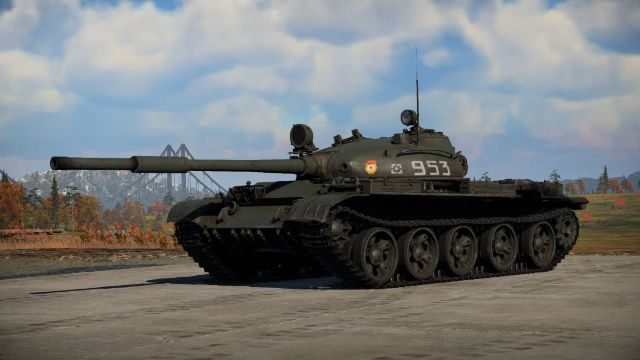
Syria’s arms stockpiles—ranging from large quantities of 152mm and 122mm artillery shells to over 3,000 tanks including T-54/55, T-62, T-72 and T-90 models—could significantly shift the balance of power on the frontlines, particularly as Ukraine’s own military resources continue to dwindle.
With Russia having bolstered its weapons supplies and production through internal scaling and external support from North Korea, the disparity in firepower between the two sides continues to grow.
From a technical standpoint, the Syrian military’s equipment presents both opportunities and challenges for Ukrainian forces. The T-72 and T-90 tanks, while not cutting-edge by modern standards, still possess formidable capabilities, including composite armor, powerful 125mm smoothbore guns, and advanced targeting systems that could provide Ukraine with a significant boost in their tank brigades.
The possibility of integrating Syrian tanks into Ukraine’s existing forces is particularly crucial, as Kyiv’s own stock of modern tanks remains limited, and Western-supplied armor has been slow to materialize.
The artillery aspect of Syria’s weapons inventory also holds significant strategic value. The estimated 1 million artillery rounds in Syria’s stockpiles would substantially enhance Ukraine’s ability to maintain sustained bombardment on Russian positions.
The 152mm artillery rounds, in particular, could be of high interest, as they are compatible with both older Soviet-made systems and more modern artillery pieces used by Ukrainian forces.
The impact of such a supply would be felt not only in the sheer volume of munitions but also in the operational flexibility it would provide to Ukrainian artillery units, potentially tipping the scale in prolonged engagements.
On the ground, the logistics of transferring such a vast amount of weaponry from Syria to Ukraine remain a key challenge. Turkey’s influence over Syrian Islamist militias, which control large parts of northern Syria, will likely be pivotal in facilitating these transfers.
Ankara’s leverage over these militias—many of which have ties to Turkish military units—places it in a central role. In return for cooperation, the U.S. may offer Turkey various incentives, such as reducing support for Kurdish groups in Syria, increased economic aid and potentially facilitating Turkey’s return to the F-35 program.
Technically, the transfer process would require coordination between U.S. intelligence, Turkish logistics and Ukrainian military officials to ensure the effective movement of these weapons.
While Western arms transfers have been hampered by logistical challenges and the complex security environment in Syria, the scale and urgency of this potential transfer suggest that a well-coordinated operation could be in the works.
Furthermore, the potential influx of these weapons could be one of the most significant shifts in the balance of power in Ukraine since the war began.
The transfer of Syrian artillery and armor would provide Ukrainian forces with not only more firepower but also much-needed redundancy in their weapon systems, enhancing their ability to maintain pressure on Russian forces, particularly in the Donbas and southern fronts.
The broader implications of this development, however, extend beyond just military hardware. The transfer of Syria’s arms to Ukraine, facilitated by Turkey, could signal a significant shift in regional alliances and strategic calculations.
By leveraging Syria’s vast stockpiles, the West would not only boost Ukraine’s defensive capabilities but also further erode Russia’s strategic advantages in the region.
As Russia continues to face difficulties in maintaining its supply lines and armor production, Syria’s stocks represent a critical resource that could extend the conflict’s duration and further undermine Russia’s efforts to assert dominance in the region.
This potential transfer underscores the increasingly technical and multifaceted nature of modern warfare, where the control and movement of vast military resources are as important as battlefield engagements.
As the war in Ukraine grinds on, the ability to tap into unexpected sources of military supply—such as Syria—may prove to be one of the most decisive factors in shaping the outcome of the conflict.
With the fall of Bashar al-Assad’s regime on December 8, Russia finds itself in a strategic bind, with the key question being how to prevent Syrian weaponry from falling into Ukrainian hands.
Syria’s vast stockpiles, including over 1 million artillery shells and thousands of main battle tanks like the T-54/55, T-62 and T-72, represent a significant resource for the Ukrainian military, which is grappling with a growing shortage of equipment.
The primary issue for Russia is not only the loss of direct control over the Syrian armed forces following Assad’s collapse but also the instability caused by the deep fragmentation of Syrian territory.
Several armed factions, each with their own interests, are now vying for control of critical military assets. While Russia may attempt to influence these factions, the fragmented political situation makes this a difficult task.
Russian forces may try to carry out targeted attacks against logistics routes through which weapons could flow to Ukraine, including airstrikes or cyberattacks. However, given the growing influence of Turkey and Israel in the region, such measures may prove ineffective.
Technically, Russia could exert limited influence over the logistics networks, but halting these weapon transfers would be challenging if Turkey or other intermediaries choose to participate in the arrangement.
More likely, Russia will focus on diplomatic efforts with Iran and Turkey to block these transfers. These efforts could include pressuring Turkey to close transport routes through its territory or prevent the movement of Syrian arms under trade agreements.
However, Russia’s ability to take significant action remains constrained by the geopolitical realities, which no longer favor Moscow.
Follow us everywhere and at any time. BulgarianMilitary.com has responsive design and you can open the page from any computer, mobile devices or web browsers. For more up-to-date news, follow our Google News, YouTube, Reddit, LinkedIn, Twitter and Facebook pages. Our standards: Manifesto & ethical principles.
READ NEXT: Governor Endorses Plan To Destroy Sacred Election Institution