







The U.S. State Department’s Global Engagement Center (GEC), a controversial agency created in 2016 with the stated goal of combating foreign disinformation, has shut its doors due to a lack of funding. This decision follows a contentious battle in Congress, where lawmakers stripped the GEC’s funding as part of the National Defense Authorization Act (NDAA), hailed by many conservatives as a victory against what they see as government overreach in censoring American citizens.
The GEC, with a $61 million budget and 120 staff members, was tasked with countering foreign propaganda, particularly from adversaries like Russia and Iran. However, it came under fire for activities that critics argue blurred the lines between fighting foreign disinformation and censoring protected domestic speech—especially speech that didn’t align with the government’s preferred narratives. The decision to cut funding comes amid mounting scrutiny over the agency’s operations, including its alleged role in suppressing dissenting voices in the U.S.
One of the most vocal critics of the GEC was tech mogul Elon Musk, who famously called it the “worst offender in U.S. government censorship & media manipulation.” Musk’s criticism was rooted in revelations exposed by investigative journalists like Matt Taibbi, who uncovered that the GEC funded a secret list of subcontractors that helped blacklist social media accounts and news outlets, particularly those critical of official narratives about the COVID-19 pandemic.
Taibbi’s investigation into the Twitter Files revealed that the GEC flagged accounts as “Russian proxies” for questioning the origins of the coronavirus despite official reports affirming those suspicions years down the line. The agency also targeted outlets like ZeroHedge, which questioned the mainstream story about the virus’s origins. This sparked outrage among conservatives, independents, and classical liberals, who argue that the GEC was stifling free and necessary speech.
The GEC’s collaborations with a variety of government agencies, including the FBI, CIA, NSA, and Homeland Security, also raised concerns about overreach and the potential for domestic censorship under the guise of foreign disinformation prevention.
The GEC funneled money into the Atlantic Council’s Digital Forensic Research Lab (DFRLab), which some allege used taxpayer funds to track domestic “misinformation” and evaluate U.S.-based news outlets. A report from the Republican-led House Small Business Committee criticized the GEC for supporting organizations that rate the credibility of American publishers—a practice that, according to many on the right, echoes the state controlled media practices of communist regimes.
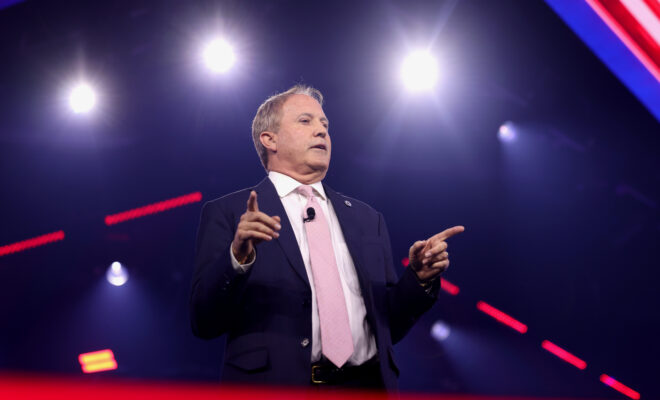
Further compounding these concerns, a lawsuit filed by Texas Attorney General Ken Paxton claims that the GEC used its authority to suppress conservative outlets like The Daily Wire and The Federalist. The lawsuit asserts that these outlets were unfairly labeled as “unreliable” or “risky,” resulting in a reduction of their advertising revenue and reach. Paxton’s office referred to the GEC’s actions as “one of the most egregious government operations to censor the American press in the history of the nation.”
Perhaps the most bizarre revelation about the GEC came when it was revealed that the agency used taxpayer dollars to fund a video game called Cat Park, designed to “inoculate youth against disinformation.” The game, which was targeted at foreign audiences, aimed to teach players how to recognize sensational headlines and memes used to spread conspiracy theories. While the game’s premise might seem innocent enough on the surface, critics argue that it was politically charged and promoted a particular worldview—one that many believe was aligned with elite, establishment, left of center viewpoints.
Mike Benz, the executive director of the Foundation for Freedom Online, criticized the game as “anti-populist,” claiming that it pushed political beliefs rather than educating people on how to identify misinformation. His concerns echo broader criticisms of the GEC: that it was more focused on promoting a specific ideological agenda than protecting the public from disinformation.
READ NEXT: Media Outlets Sue State Department Over Censorship Scheme



















Hopefully we can continue in this, cleanup our Country mode, God knows we need it, URGENTLY.
What will the professional Democrat/Communist liars do for employment now? Porta Potties is always looking for new employees that already know how to shovel s–t on a grand scale.