






Hoping to improve relations with the United States and avoid heavy economic sanctions, Mexico has confirmed the extradition of 29 high-profile criminals wanted by the U.S. Department of Justice. Among those extradited are key figures involved in notorious Mexican drug cartels, including Rafael Caro Quintero, a prime suspect in the 1985 murder of DEA Agent Enrique “Kiki” Camarena, the two leaders of the Los Zetas Cartel, and Antonio “Tony Montana” Oseguera Cervantes, the brother of the head of the powerful Cartel Jalisco New Generation (CJNG).
The extradition confirmation came on Thursday afternoon from Mexico’s Attorney General’s Office, which released a statement indicating that all 29 criminals were previously in custody in various Mexican prisons. This step comes as Mexican officials meet with U.S. Secretary of State Marco Rubio and his team to discuss the ongoing issue of drug trafficking and cartel activity that continues to plague both countries. The timing is notable, as there has been growing pressure from U.S. officials to impose tariffs on Mexican goods unless the country takes stronger action against the cartels operating within its borders.
One of the most prominent criminals in this extradition is Rafael Caro Quintero, a notorious figure in the Guadalajara Cartel, which is believed to have played a significant role in the creation of several other powerful Mexican cartels, including the Sinaloa and Juarez Cartels. Caro Quintero is wanted for his involvement in the kidnapping and brutal murder of DEA agent Enrique Camarena in 1985, an act that marked a dark chapter in U.S.-Mexico relations. His extradition has been a long-standing priority for U.S. law enforcement agencies, and his capture marks a crucial step in seeking justice for the slain agent.
In addition to Caro Quintero, two high-ranking leaders of Los Zetas — Miguel Angel “Z-40” and Omar “Z-42” Trevino Morales — were among those extradited. The Los Zetas Cartel, once known for its cruel tactics and vast criminal operations, has been a major target of U.S. and Mexican authorities for years. The Trevino brothers were instrumental in expanding the cartel’s influence across Mexico and into the United States, and their extradition sends a strong message that Mexico is willing to cooperate with the U.S. in its fight against drug trafficking.
Another key extradition involves Antonio “Tony Montana” Oseguera Cervantes, the brother of the leader of CJNG. This cartel, widely regarded as one of the most dangerous and violent in Mexico, has been responsible for a significant portion of the fentanyl and other illegal drugs flooding into the U.S. The CJNG has also been linked to numerous acts of terror, making Oseguera Cervantes’ extradition a significant development in the ongoing effort to dismantle the cartel.
Extradition has long been a source of fear among narcotics traffickers in Latin America, particularly due to the stark differences in conditions between U.S. and Latin American prisons for this category of criminals. In many Latin American countries, powerful drug lords often have the means to buy off guards, secure special privileges, and live more comfortably while incarcerated, turning prison sentences into a mere inconvenience rather than a genuine punishment. In contrast, U.S. prisons are notorious for their strict security and lack of leniency, offering little to no special treatment for those convicted of serious crimes. For these traffickers, the prospect of being sent to a U.S. prison is a far more devastating reality, as they would have to serve out their sentences without the ability to exert control over their environments. This fear of the U.S. prison system has been a powerful deterrent and a significant reason why drug kingpins have historically fought extradition so fiercely.
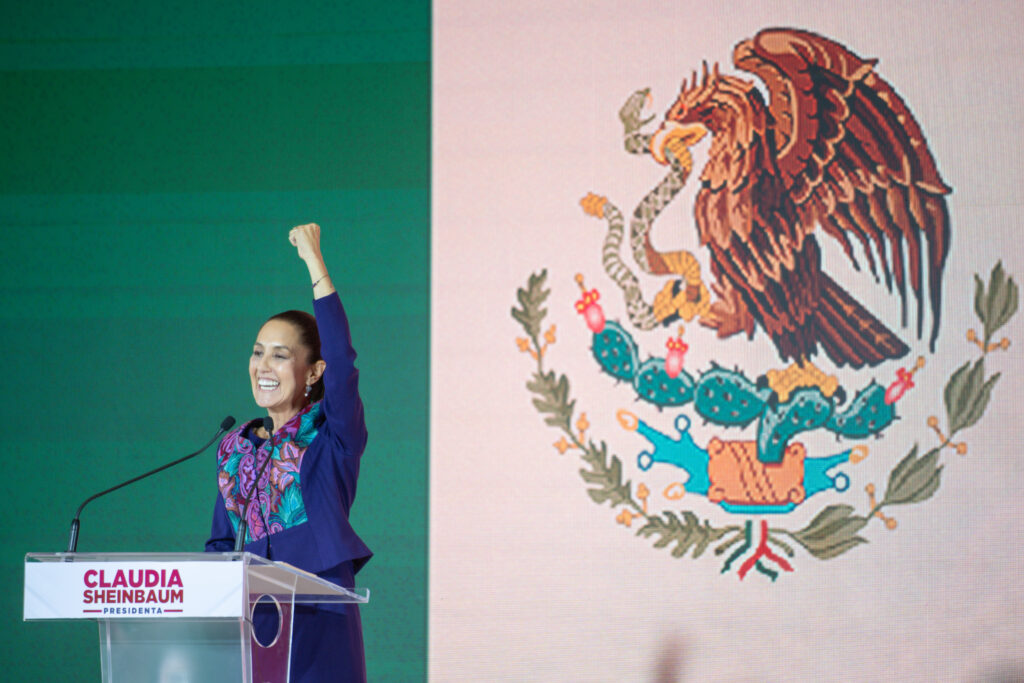
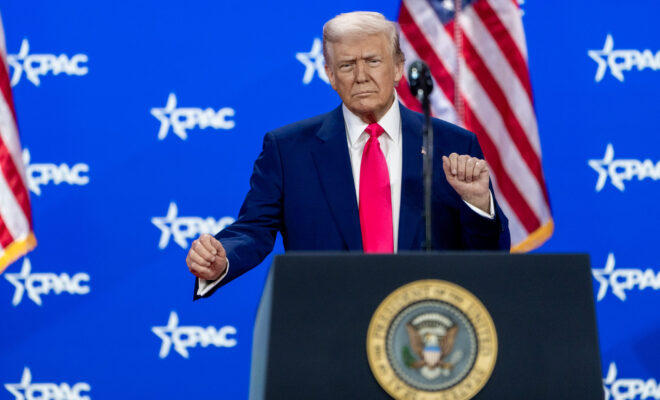
The decision to extradite these criminals is likely a direct response to increasing U.S. pressure, particularly from the Trump administration, which has raised the possibility of imposing tariffs on Mexican goods in retaliation for Mexico’s failure to adequately combat cartel operations. The threat of economic sanctions has created a sense of urgency within Mexico’s government, with President Claudia Sheinbaum and her security cabinet working to avoid the imposition of these tariffs by showing that Mexico is committed to addressing the drug cartel issue.
While this extradition is a positive step in the ongoing battle against drug cartels, it also highlights the ongoing challenges that both the U.S. and Mexico face in curbing the influence and reach of these criminal organizations. As U.S. officials continue to press for stronger action and accountability, Mexico’s efforts to manage these extraditions and strengthen its border security will be closely scrutinized. The extradition of these 29 criminals marks just one piece of a much larger puzzle, but it sends a message of cooperation.





















Sheinbaum is the bravest person I’ve herd of recently.
I thought these were the immigrant types that Trump didn’t want in the USA. What’s up with that?
These are criminals the United States has long wanted to extradite and prosecute for crimes against the United States.