







The Bill & Melinda Gates Foundation, the nonprofit organization founded by Microsoft co-founder Bill Gates, is facing increasing scrutiny after allegations that its practices may violate federal law. These concerns, which also extend to two other charitable organizations, are centered on claims of racial discrimination in scholarship and career programs. If the accusations are found to be true, the foundation’s tax-exempt status could be at risk, as could the status of the Lagrant Foundation and the Creative Capital Foundation.
The allegations were brought forward by the American Alliance for Equal Rights (AAER), which filed letters with the Internal Revenue Service (IRS) accusing these organizations of intentionally excluding white individuals from their programs. The AAER argues that such discriminatory practices violate public policy and federal law, and should not be subsidized by American taxpayers through tax-exempt status.
According to Edward Blum, President of the AAER, organizations that engage in racial discrimination — whether for benevolent purposes or not — should not be allowed to benefit from the public subsidy that tax-exempt status provides. Blum emphasized that these organizations are free to operate as they see fit, but they should not receive tax-exempt status if their practices contravene anti-discrimination laws.
The allegations have sent shockwaves through the nonprofit sector, particularly given the high profile of the organizations involved. The Gates Foundation, one of the world’s largest philanthropic entities, is one of the better known charities in the world, with Bill and Melinda Gates contributing billions of dollars to different causes.
The IRS investigation into the Gates Foundation and the other two organizations will likely be a closely watched process. If these allegations of racial discrimination are substantiated, the IRS may take action to revoke their tax-exempt status, which could have significant ramifications for their future operations. As the investigation continues, there will be growing attention on the intersection of race, philanthropy, and public policy, and whether high-profile charitable organizations should be held accountable for their practices.
In the meantime, Bill Gates and his foundation remain at the center of a broader conversation about tax fairness, social responsibility, and the ethical implications of affirmative action in the modern age. The outcome of this investigation could have far-reaching implications not only for the Gates Foundation but for the nonprofit sector as a whole.
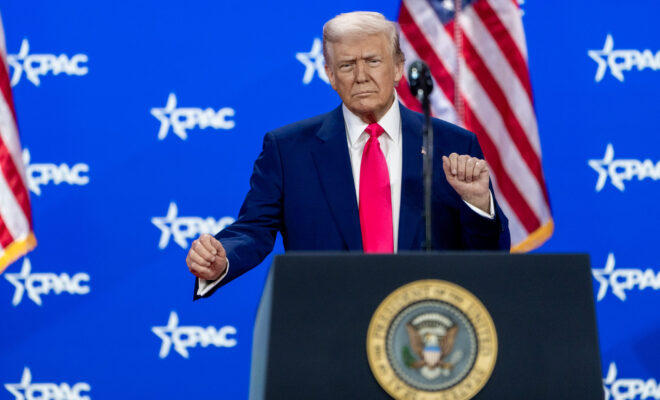
President Donald Trump’s administration took a strong stance against racial discrimination in various sectors, particularly within federal programs. Many of Trump’s executive orders were designed to eliminate race-based discrimination, emphasizing merit-based hiring, scholarship opportunities, and professional development. Trump’s administration also worked to ensure that taxpayer-funded programs did not engage in racial discrimination, promoting equal opportunities for all individuals regardless of race. If it’s determined that these organizations did, in fact, discriminate against whites, it’s likely that they will face severe consequences under the second Trump administration, and that Trump will want to make an example of them.
READ NEXT: Bill Gates Photographed With Alleged Epstein Victim























Bill won’t like it when he has to run his business like a real person does
Close down Bill Gates Foundation, that is how he paid China to let the Covid virus loose. He wanted to cut the world population.
His stupid Chemtrails are awful, everything gets so dusty, we don’t know what is in them & we are breathing all of that crap.