

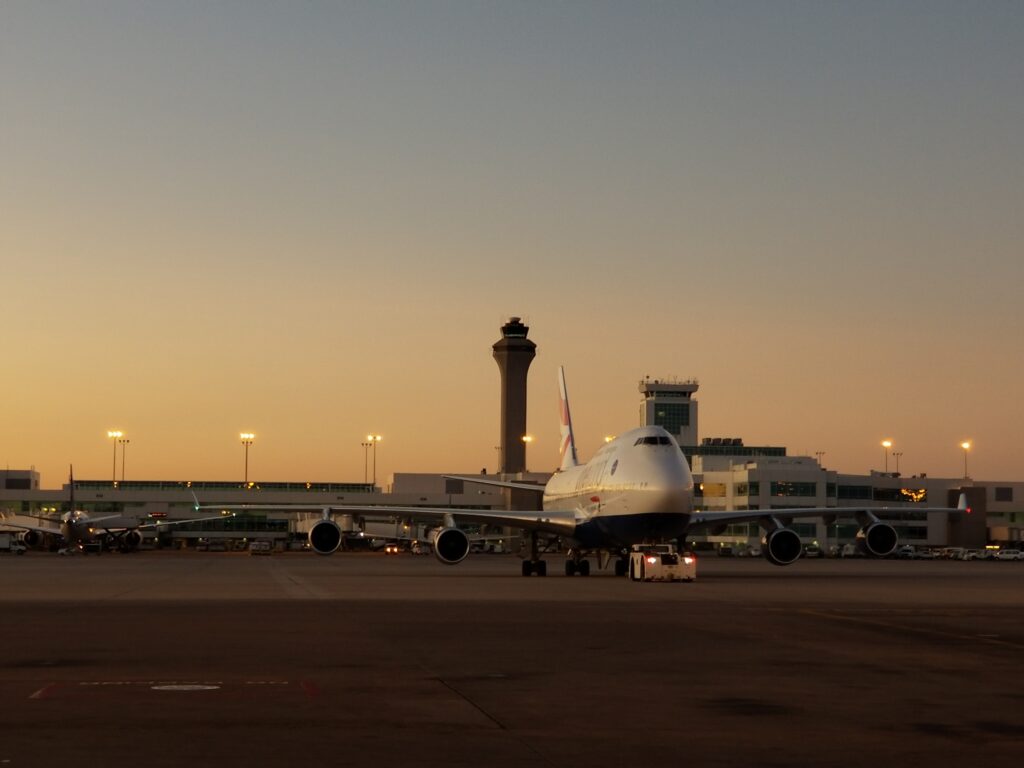
The New York Post reported that a six-minute communications blackout at Denver International Airport has triggered a federal review and raised new questions about the resilience of America’s air traffic control system.
On Monday afternoon, May 12, 2025, air traffic controllers at Denver International Airport temporarily lost radio contact with as many as 20 incoming aircraft. The disruption — which, according to one report, lasted a staggering six minutes — began around 1:50 p.m. local time after the primary radio transmitters at the Denver Air Route Traffic Control Center (ARTCC) in Longmont failed. The backup frequency also went down.
Pilots Helped Plug the Gap
Though controllers could still track planes on radar, they couldn’t communicate directly with the cockpits. One pilot quickly switched to an emergency “guard” frequency and relayed instructions to nearby aircraft, helping maintain order until normal communications resumed.
No aircraft were in immediate danger. According to the FAA, all planes remained safely spaced throughout the incident. However, as noted by the New York Post, the safety concerns are glaring:
At the time of the ordeal, controllers at the Denver Air Route Traffic Control Center were already communicating on a backup frequency after four other frequencies went out of service, according to the one source.
“It’s one thing to lose track of one airplane because you can’t communicate with them, but to lose track of all of the airplanes that you had communication with,” David Riley, a retired air traffic controller, said.
“And from my understanding, in this situation, they still had radar coverage, but that’s like watching a car crash happen and not be able to do anything about it.”
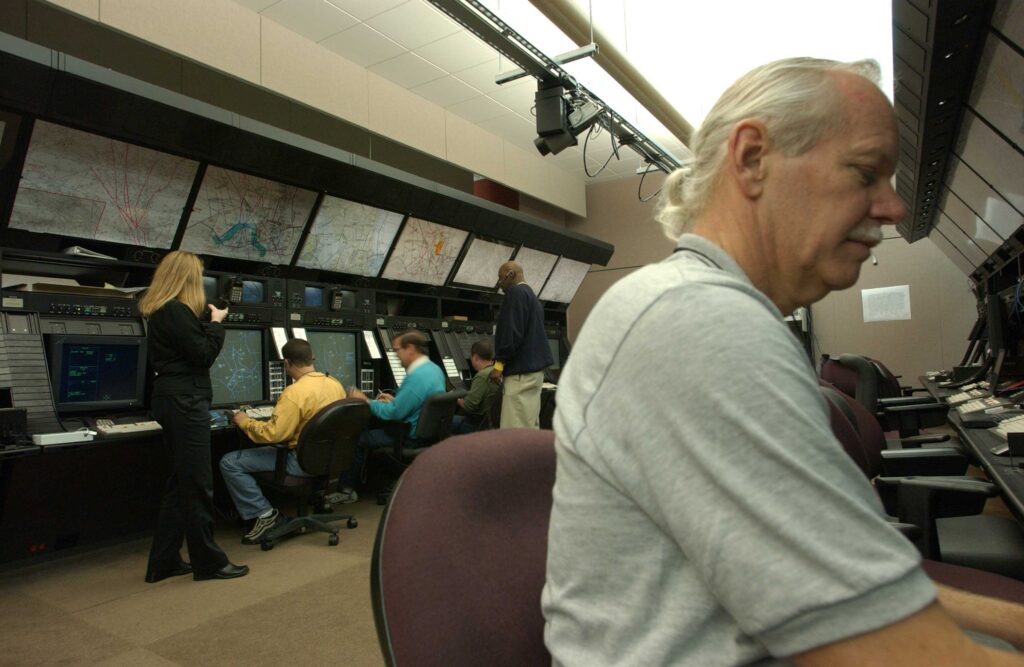
Staffing Shortages, Aging Equipment at Issue
Preliminary FAA reports link the failure to broader systemic issues. Denver’s control tower is currently short seven certified controllers, while the ARTCC facility is down 10. These staffing gaps mirror trends nationwide as the agency grapples with retirements and a slow pipeline for new recruits.
Meanwhile, this isn’t an isolated case. Similar radio outages have recently hit other major airports, including multiple disruptions at Newark Liberty International. The growing pattern has prompted federal action.
Administration Responds with Infrastructure Push
Transportation Secretary Sean Duffy announced a multi-billion-dollar modernization initiative aimed at upgrading outdated equipment and shoring up staffing levels across the National Airspace System. The plan, still in early rollout stages, targets core vulnerabilities in the country’s aging aviation infrastructure.
“Modern air travel demands reliable systems and sufficient staffing,” Duffy said in a recent statement. “We’re making both a top priority.”
No Injuries, But Deeper Concerns
While this latest Denver incident ended without harm or delay, it underscores the fragility of critical communications technology. With demand for air travel climbing and a workforce under strain, industry observers say these lapses can no longer be treated as one-offs.
The FAA’s investigation is ongoing. A full report is expected in the coming weeks.
READ NEXT: New Development In Arrest Of Gubernatorial Candidate

















No excuse! Just fix it NOW!
Question:Could DEI be a “problem”?