

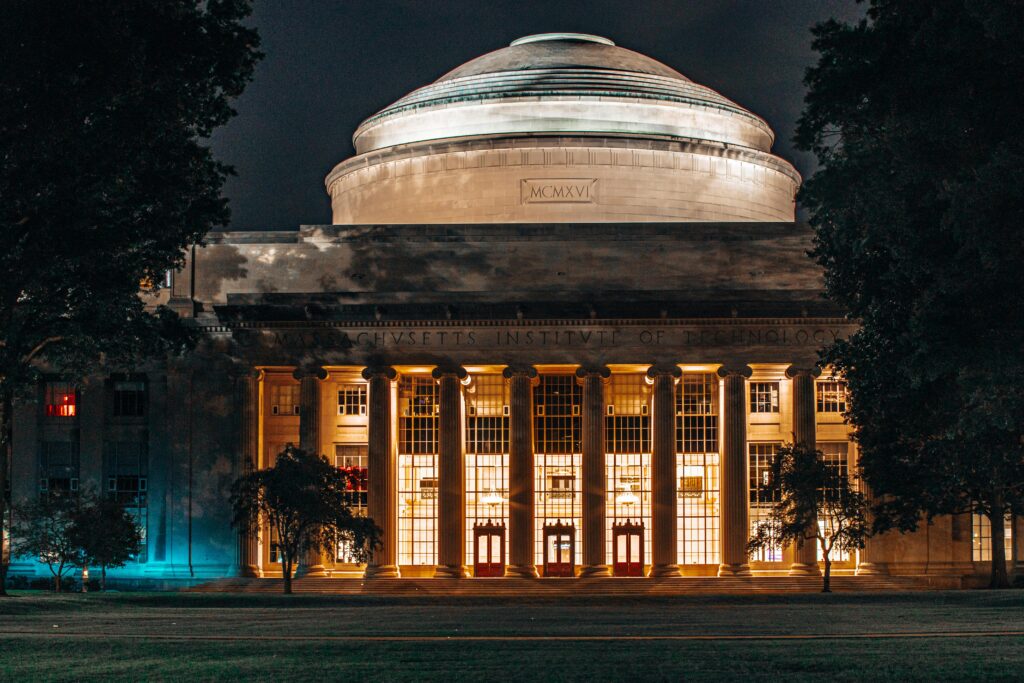
The Massachusetts Institute of Technology (MIT) has announced it will be closing its central Diversity, Equity, and Inclusion (DEI) office following an extensive internal review. The decision, unveiled last Thursday by MIT President Sally Kornbluth, includes the sunsetting of the Institute Community and Equity Office (ICEO) and the elimination of the role of vice president for equity and inclusion.
The announcement comes amid increasing national scrutiny over DEI programs, particularly at prestigious academic institutions. In a memo titled “How we support our community,” President Kornbluth emphasized that while the central office will be dismantled, MIT remains committed to fostering a diverse and inclusive campus—just not through centralized bureaucratic structures.
“Our success depends on attracting exceptionally talented people of every background, from across the country and around the world, and making sure everyone at MIT feels welcome and supported, so they can do their best work and thrive,” wrote Kornbluth.
The ICEO, which promoted itself as a steward of MIT’s values through restorative practices and community programming, will have its “core programs” reassigned or restructured under new formats. University officials clarified that the move is the result of an 18-month internal review—not political pressure—and is designed to improve how the institution supports its students and faculty.
A university spokesperson told Fox News Digital that the decision followed a “comprehensive assessment” of how DEI goals could be more effectively met. Notably, earlier this month, MIT also became the first elite university to eliminate the requirement for diversity statements in hiring and admissions—moves that some civil liberties organizations had criticized as veiled ideological litmus tests.
MIT’s recalibration of its DEI infrastructure comes at a time when neighboring Harvard University finds itself embroiled in public and political controversy over its own diversity practices. The Trump administration recently called on federal agencies to cancel Harvard’s contracts—amounting to over $100 million in funding—amid allegations of race-based admissions policies and mismanagement related to foreign student enrollment.
While MIT insists that its decision is unrelated to the Harvard controversy, the optics are hard to ignore. As Harvard digs in, facing lawsuits and federal scrutiny, MIT is choosing to decentralize and streamline its inclusion efforts—potentially setting a new precedent among top-tier institutions.
MIT’s leadership has been careful to frame the decision as a structural reform rather than a rollback of its commitment to diversity. By eliminating centralized DEI oversight, the institute aims to embed inclusivity more organically throughout its departments and initiatives—without relying on a standalone office.
Critics of traditional DEI frameworks have long argued that such offices often become siloed, performative, or even counterproductive. MIT appears to be acknowledging those critiques while charting a new course that maintains its core values but adapts its methods.
As debates around race, identity, and academic freedom intensify on campuses nationwide, MIT’s decision could serve as a bellwether for other institutions reevaluating the balance between “inclusion” and intellectual rigor.



















Thank you Ms. Drake for abiding by Martin Luther King’s dream of all of us being judged by the content of their character rather than by the color of their skin. He would be proud of your effort, as he looks down from Heaven.