






Tesla stock suffered a sharp selloff Thursday, plunging more than 14 percent in its steepest one-day decline of the year, erasing roughly $180 billion from the company’s market value since the inauguration. The decline was triggered by escalating public tensions between Elon Musk and President Donald Trump over the recent repeal of the federal $7,500 electric vehicle (EV) tax credit as part of the Trump administration’s tax cut package.
Musk strongly condemned the GOP’s signature domestic policy bill—dubbed the “Big Beautiful Bill”—calling it a “disgusting abomination” that threatens to “bankrupt America.” He criticized it as fiscally irresponsible and damaging to the future of clean energy incentives, positioning himself in direct opposition to Trump’s agenda.
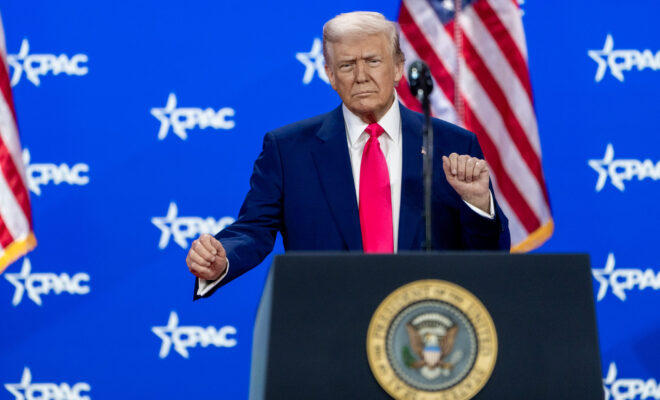
In response, Trump denied that Musk had raised any objections prior to the bill’s passage and accused the Tesla CEO of ingratitude. Speaking from the Oval Office, Trump said Musk “knew everything about” the bill and “had no problem with it.”
Musk fired back on X (formerly Twitter), stating the bill “was never shown to me even once and was passed in the dead of night so fast that almost no one in Congress could even read it!” He also claimed credit for Trump’s election win, tweeting, “Without me, Trump would have lost the election… Such ingratitude,” and also alleged that the Epstein files hadn’t been released because Trump’s name was in them.
He later took to his social media platform, Truth Social, declaring: “The easiest way to save money in our Budget—Billions and Billions of Dollars—is to terminate Elon’s Governmental Subsidies and Contracts. I was always surprised Biden didn’t do it!”
Even among Musk’s longtime supporters, frustration and concern are growing over his renewed political battles. Ross Gerber, a prominent Tesla investor and vocal Musk ally, commented, “Amazingly Elon now attacking all the people he helped put in power. This should work out well for Tesla I’m sure.”
Industry analysts warn that Musk’s volatility risks alienating key allies in Washington and adding reputational baggage at a time when Tesla is already facing softening demand in several major markets. Dan Ives of Wedbush Securities told CNBC, “This feud between the two men is not what you want to see as a Tesla shareholder,” pointing out fears that Trump may adopt a more combative stance on regulatory issues moving forward.
Tesla is also facing challenges in key markets like California, Europe, and China, where sales growth is slowing. Meanwhile, movements such as “Tesla Takedown” have gained momentum, and Musk’s highly publicized political conflicts risk turning Tesla from a symbol of bipartisan innovation into a polarized brand, alienating both progressives and conservatives alike.
Musk’s criticism of the bill has drawn praise from some deficit hawks on the right, but his attacks on Trump they have also raised doubts about his judgment. Former Washington allies now describe Musk as erratic and difficult to work with—concerns echoed in corporate boardrooms where Tesla’s fortunes remain closely tied to Musk’s behavior.
Despite remaining the world’s richest person, Musk saw his net worth drop by $21 billion on Thursday as the market reacted swiftly to the growing political drama. The episode serves as a stark reminder that while political capital can be powerful, it also carries significant risks.
READ NEXT: Trump Mulls Labeling Tesla Vandals Domestic Terrorists




















Elon Musk: BACK OFF!!! These comments are not helping anyone involved.