






Key Developments
- Iran ends nuclear negotiations with the United States following Israeli airstrikes.
- Israeli operation reportedly kills IRGC commander-in-chief Maj. Gen. Hossein Salami and other high-ranking personnel.
- Trump confirms Iran missed his 60-day nuclear deadline and hints at further action.
- Israeli officials urge U.S. military support, citing need for advanced bunker-busting bombs.
- U.S. signals a potential foreign policy shift as Trump praises Israeli action despite previous hesitation.
Context: A Sudden Turn
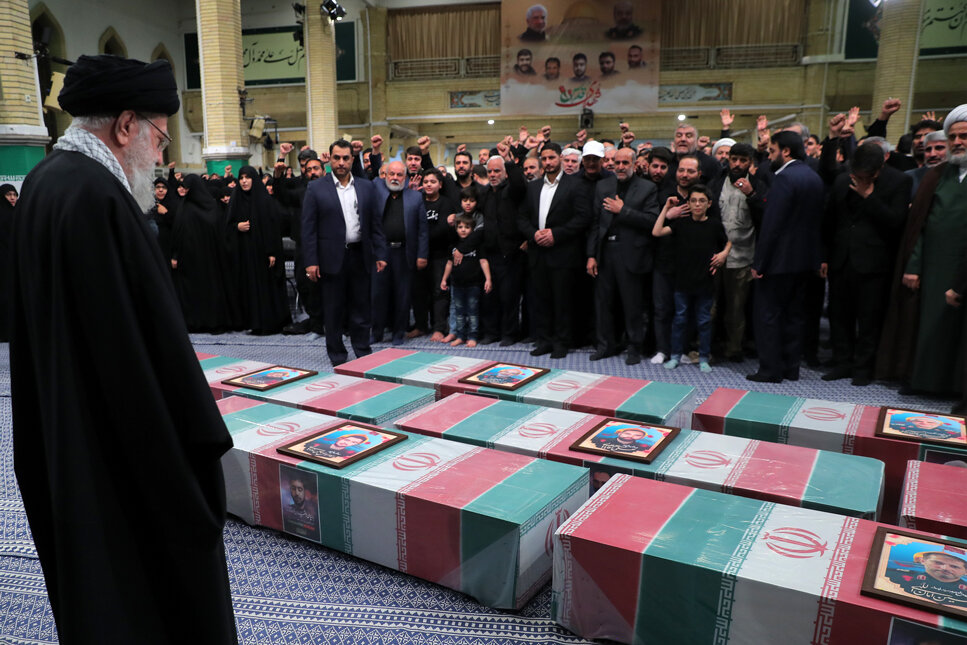
Iran officially pulled out of nuclear negotiations with the United States early Friday, according to reporting by The Hill. The announcement came hours after Israeli jets conducted a sweeping and lethal air campaign targeting Iranian airbases, missile silos, and underground nuclear storage facilities.
Among the dead: Maj. Gen. Hossein Salami, the top commander of the Islamic Revolutionary Guard Corps (IRGC). Multiple senior scientists and military officials were also reportedly killed in the strikes.
Israel’s aerial campaign marks a dramatic escalation following the fifth round of nuclear talks in Rome between Iranian diplomats and Trump administration envoys. The negotiations had stalled over Iran’s continued uranium enrichment — a program Tehran has refused to pause for years. A sixth round of U.S.-Iran talks was scheduled for Sunday in Oman:
Oman News Agency and Iranian state media reported the talks have been suspended indefinitely.
“Israel’s unilateral attack on Iran is illegal, unjustifiable and a grave threat to regional stability,” Oman Foreign Minister Badr Albusaidi posted on the social platform X after the attacks. “I condemn it and urge the global community to come together to reject Israeli aggression and support de-escalation and diplomacy with one voice.”
Iranian Supreme Leader Ayatollah Ali Khamenei, meanwhile, vowed retribution against its long-standing adversary Israel.
“With this crime, the Zionist regime has set itself up for a bitter and painful fate, and it will receive it,” he said in remarks released through state media.
Trump’s Deadline Passes
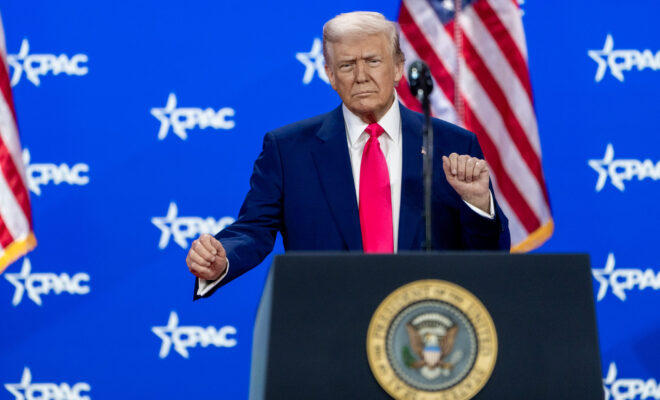
In a post on Truth Social prior to Tehran’s announcement, President Trump noted that Friday marked the “61st day of the 60-day deadline” for a nuclear agreement he proposed to Iran in April. He added: “Perhaps, a second chance!”
Trump’s self-imposed deadline came after years of steadily increasing uranium stockpiles in Iran. According to the International Atomic Energy Agency, Tehran’s reserves jumped from 300.7 kg in 2018 to more than 5,000 kg by 2024 — well past the threshold for civilian use.
Israel Seeks U.S. Support
Israeli Prime Minister Benjamin Netanyahu is expected to speak with Trump later today. Senior Israeli officials told national TV they are “optimistic” about the United States joining the conflict.
They argue that American involvement would be critical to penetrate Iran’s heavily fortified nuclear sites — especially Natanz, where satellite imagery from 2023 indicates new construction that likely exceeds the reach of most conventional weapons.
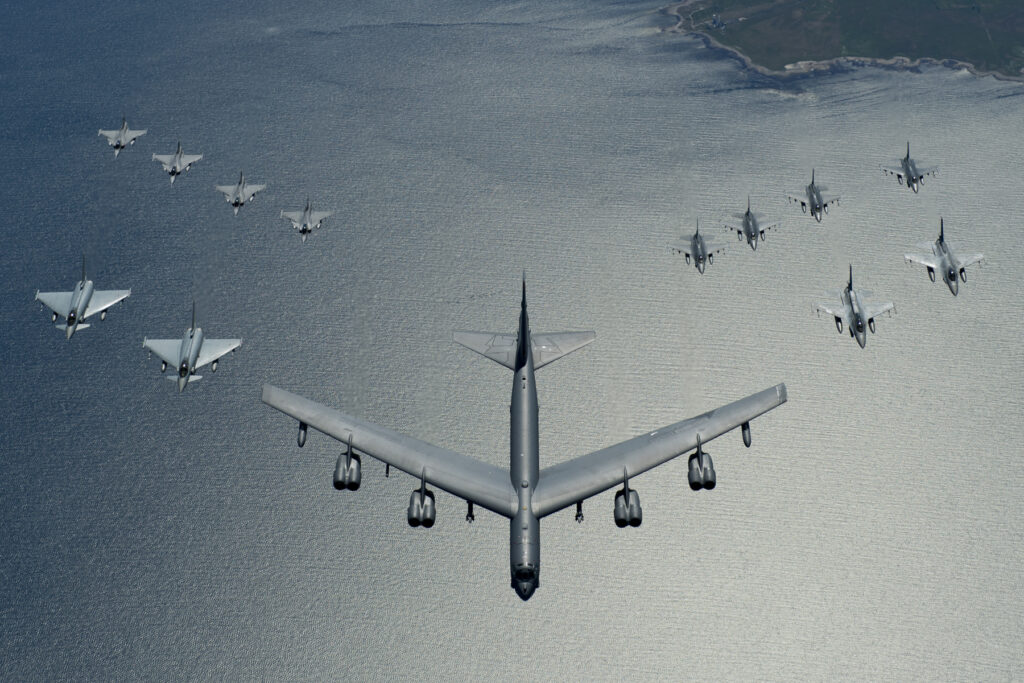
To destroy those targets, the Israeli military may require U.S. Air Force assistance and the use of GBU-57A/B Massive Ordnance Penetrators, bombs capable of blasting through 200 feet of reinforced concrete.
U.S. Signals Strategic Shift
The U.S. reaction so far has been mixed. Secretary of State Marco Rubio initially distanced the administration from Israel’s action. But Trump, speaking to ABC News later in the morning, called the strikes “excellent” and added, “There is more to come. A lot more.”
That statement represents a notable shift from previous White House positions, where Trump had reportedly discouraged Israeli military intervention in Iran. Whether this signals a full-scale pivot in U.S. foreign policy remains to be seen.
READ NEXT: Trump Triumphs In Court After Shocking Legal Reversal



















Maybe they should have met that deadline?