






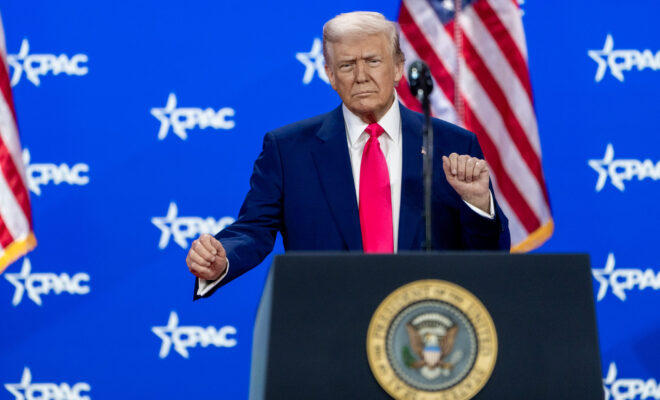
At a high-profile Artificial Intelligence (AI) Summit in Washington DC, President Donald Trump delivered a major rebuke of major U.S. tech firms, urging them to stop outsourcing jobs to countries like India and China and instead commit to creating high-paying positions at home. The remarks, reported by India Today and other outlets, capture Trump’s most direct criticism yet of Silicon Valley’s global hiring practices in his second term.
“Many of our largest tech companies have reaped the blessings of American freedom while building their factories in China, hiring workers in India, and stashing profits in Ireland,” Trump said during his keynote address. “Under President Trump, those days are over.”
Trump accused companies like Google, Microsoft, and Apple of supporting a “globalist mindset” while benefiting from American legal protections, infrastructure, and market dominance. He framed the trend not just as an economic problem, but a national security risk in the emerging era of AI dominance.
“We need U.S. technology companies to be all in for America,” Trump declared. “We want you to put America first. You have to do that. That’s all we ask.”
The speech, delivered before a crowd of tech executives, government officials, and researchers, set the tone for a sweeping new policy shift on artificial intelligence and domestic economic priorities.
Trump used the occasion to sign three new executive orders designed to establish American leadership in AI development:
- “Winning the Race” National AI Strategy
The cornerstone of the plan, this directive outlines a massive push to build domestic AI infrastructure—including data centers and research labs—while streamlining environmental and regulatory reviews to speed up construction timelines. - Political Neutrality in AI Development
This order mandates that any AI systems developed with federal funds must be free of ideological or political bias. Trump specifically criticized “woke” diversity and inclusion mandates, saying they compromise innovation. - Strengthening U.S. AI Exports and Supply Chains
A third order promotes American-made AI products for export while reducing reliance on foreign components. The directive encourages end-to-end domestic development—from chip manufacturing to software testing—to minimize exposure to overseas disruptions.
The announcements were met with mixed reactions. Some tech executives present at the summit expressed concerns over the feasibility of rapidly shifting supply chains back to the U.S., especially given the sector’s deep entanglements with foreign partners in Asia. Others, however, applauded the clarity of the administration’s stance.
Critics argue the moves could lead to increased production costs and talent shortages. But Trump’s supporters see the policy as a long-overdue course correction.
The AI initiative is expected to play a central role in Trump’s broader agenda to rebuild American industrial strength and dominance across multiple sectors. Whether the tech industry embraces this pivot—or resists it—will determine how quickly the strategy reshapes the domestic AI landscape.
The announcement also invited speculation about tech billionaire Elon Musk’s departure from the administration, who became the center of a major controversy last December after defending the H-1B visa program, which is widely opposed by Trump’s populist base. Musk, a longtime advocate for high-skilled immigration, launched into an expletive-laden tirade on his social platform X, calling critics of the program “xenophobic morons” and “economic illiterates.” The backlash from Trump’s core voters was swift and intense, ultimately prompting the White House to issue new social media guidelines for administration allies and surrogates—both official and unofficial—warning that “unauthorized statements can undermine core policy objectives.”
For now, Trump has made his expectations clear: in the race for technological supremacy, there is no room for divided loyalties.
READ NEXT: Elon Musk Backtracks On H1-B Visa Program, Suggests Major Reform
A ticking time-bomb set by Joe Biden and Kamala Harris to Hurt ElectionsThey Must Be Stopped! |


















If only he would get behind bringing telephone support back to the United States, so we could understand what is being said, both from no more internet communications, which at best, are terrible, and having someone on the other end of the line who speaks and understand the English language. Understanding non-English native speakers is a bear to comprehend. And, with the number of support calls being made every day, that would put quite a few people into a job! (And maybe off the public dole!))