

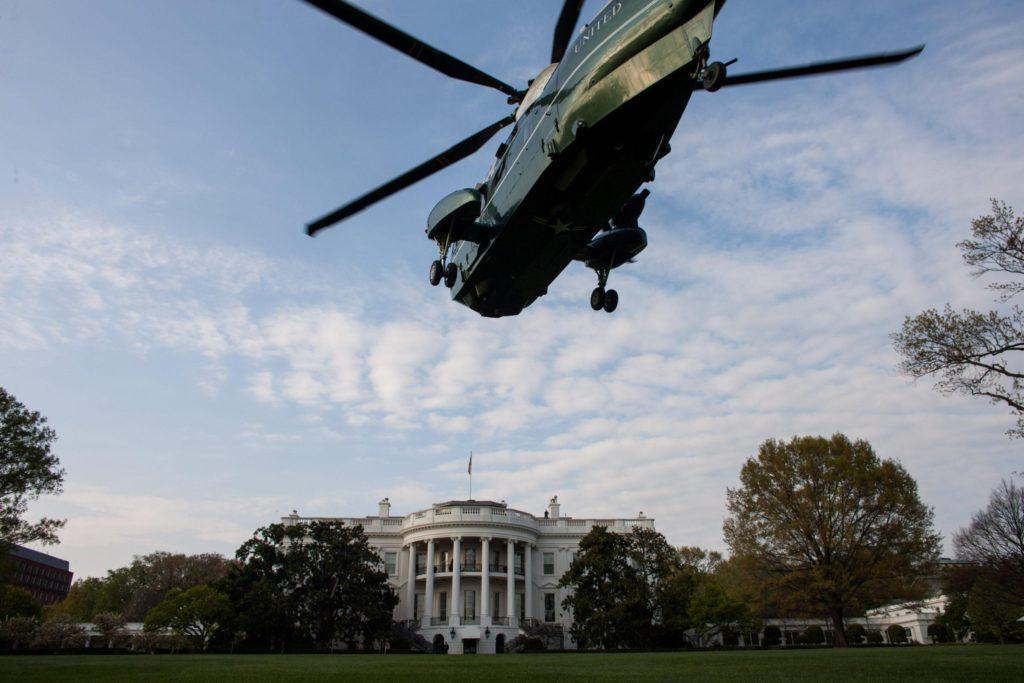
Ukrainian President Volodymyr Zelensky is set to meet President Trump at the White House on Monday, backed by a delegation of top European and NATO leaders. Their message: the West stands firmly behind Ukraine’s sovereignty and security.
The high-level lineup includes European Commission President Ursula von der Leyen — who confirmed her attendance on X, citing a direct request from Zelensky — along with French President Emmanuel Macron, German Chancellor Friedrich Merz, Italian Prime Minister Giorgia Meloni, Finnish President Alexander Stubb, U.K. Prime Minister Sir Keir Starmer, and NATO Secretary-General Mark Rutte.
The remarkable show of solidarity stands in stark contrast to Zelensky’s White House visit in February — a tense, televised meeting with Trump and his administration that laid bare sharp divisions and unresolved questions over aid and strategy.
Now, the optics are different. The timing and guest list are no accident. Experts say it’s a calculated move to bolster Ukraine’s position in upcoming talks and to send a message: America’s oldest allies expect a firm, united front against unprovoked Russian aggression.
The backdrop? Friday’s closed-door summit between Trump and Vladimir Putin in Alaska, where details remain murky. Putin rejected a ceasefire. Trump, shifting tone, now says he supports a peace deal — but pointedly avoided calling for a ceasefire, which could allow negotiations without further loss of life. (RELATED: Hours Before Huge Presidential Moment, Trump Issues ‘Very Severe’ Warning)
.@POTUS: "We were together almost 3 hours, and it was very extensive… a lot of points we agreed on… Now, it's really up to President Zelensky to get it done… and if they'd like, I'll be at that next meeting." pic.twitter.com/h7XbP76uIu
— Rapid Response 47 (@RapidResponse47) August 16, 2025
The BBC News continues:
Securing a ceasefire in Ukraine had been one of Trump’s core demands before meeting Putin, but he afterwards posted on social media that they “often times do not hold up” and that it would be better “to go directly to a peace agreement”.
European leaders have reacted with caution to the outcome of the Trump-Putin meeting, seeking not to criticise the change of direction despite their long-held support for a ceasefire.
Putin reportedly presented Trump with a peace offer that would require Ukraine withdrawing from the Donetsk region of the Donbas, in return for Russia freezing the front lines in Zaporizhzhia and Kherson.
Russia claims the Donbas as Russian territory, controlling most of Luhansk and about 70% of Donetsk. It also illegally annexed the Crimean peninsula in 2014, eight years before launching its full-scale invasion of Ukraine.
Zelensky and his allies seek lasting security guarantees and push for peace terms that reflect genuine Western unity — not what critics deride as White House improvisation in pursuit of a headline-grabbing foreign policy victory or even a Nobel Prize.
READ NEXT: GOP Leader Says Congress Has Evidence Of ‘Interdimensional Beings’ — Not Just UFOs














Have an election of the people in the contested areas, supervised by UN, USA, Russia and a agreed oversight committee to allow the citizens to decide their government, whether it be Putin, Zelensky or neither.