



The Trump administration and its legal allies scored a trio of high-impact headlines this week—from a surprising court victory in New York to an immigration policy pivot targeting truckers, and a growing legal battle over who holds power in New Jersey’s U.S. Attorney’s office.
Trump’s $500M Fraud Fine Tossed by Appeals Court
In a massive reversal, a New York state appellate court has thrown out the half-billion-dollar civil fraud penalty levied against Donald Trump and his businesses earlier this year. The court ruled the financial penalty violated the Eighth Amendment’s ban on excessive fines.
The original lawsuit, brought by New York Attorney General Letitia James, accused Trump and top executives—including his sons—of inflating asset values to secure better insurance and loan terms. In February, Judge Arthur Engoron sided with James and ordered a $355 million disgorgement (later ballooning past $500 million with interest).
But this week, the appellate panel put an end to it.
While some restrictions on Trump’s future business dealings remain, the enormous financial penalty is off the table for now. The decision is a major legal win for Trump and a setback for James, who has portrayed the case as a cornerstone of accountability for corporate fraud. Trump has maintained the case was “100% politically motivated.”
Rubio Freezes Visas for Migrant Truckers After Deadly Crash
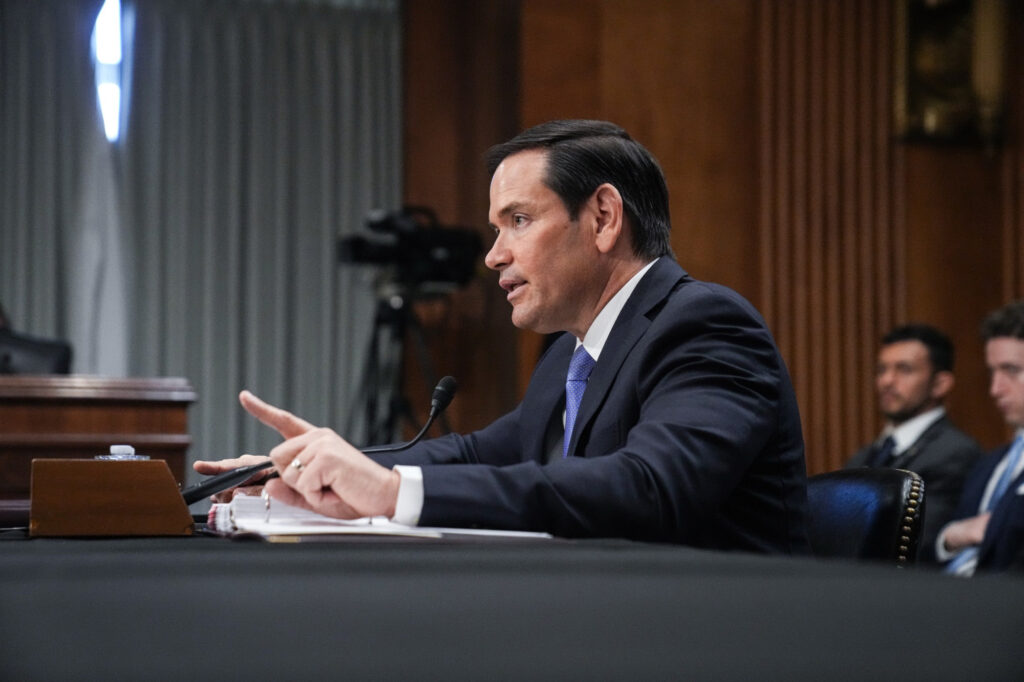
Following public outcry over a fatal crash caused by a foreign semi-truck driver in Florida, Secretary of State Marco Rubio announced a pause on issuing new work visas for commercial truck drivers. It’s being championed as a safety measure—but it’s also a clear nod to America-first labor policies.
“The increasing number of foreign drivers operating large tractor-trailer trucks on U.S. roads is endangering American lives and undercutting the livelihoods of American truckers,” Rubio said Thursday night.
The pause doesn’t revoke visas already issued, but it signals a resistance to the visa-to-work pipeline used by migrants to land American trucking jobs. Many of these drivers enter on student, tourist, or investor visas, and often work illegally or with state-awarded licenses in states with lax immigration enforcement like California.
The horrifying U-turn accident by an Indian driver who failed basic English and road sign tests, killing three Americans is drawing sharp criticism from state and federal officials. Truckers’ advocates applauded the move, while open borders proponents warned it could worsen labor shortages.
Judge Rules Alina Habba’s Appointment as Acting U.S. Attorney Was Unlawful
In a tense legal clash with constitutional implications, a federal judge ruled Thursday that Alina Habba—appointed acting U.S. Attorney for New Jersey by President Trump—was unlawfully installed and cannot remain in the role.
Judge Matthew Brann, an Obama appointee, found that Trump and Attorney General Pam Bondi used legal loopholes to re-appoint Habba after her term expired and after local judges refused to extend her stay.
Brann ruled that Habba is “not currently qualified to exercise the functions and duties of the office,” barring her from overseeing ongoing prosecutions—including a pair of defendants who directly challenged her authority.
The Justice Department is now preparing to fight for Habba’s role in a federal appeals court. Meanwhile, Bondi insists the ruling is politically driven and an attack on presidential authority, even declaring, “This Department of Justice does not tolerate rogue judges.”
For now, the outcome is paused—leaving the future of New Jersey’s top federal prosecutor in legal limbo.
The Takeaway
It was a week of legal whiplash and executive muscle-flexing. Trump walks away from a $500 million headache. His administration doubles down on immigration enforcement with Rubio’s trucker visa freeze. And the Habba saga underscores how much legal power—and political friction—still surrounds Trump’s second term.
READ NEXT: Letitia James Pushes Forward: Refuses To Drop $500M Judgment Against Trump