



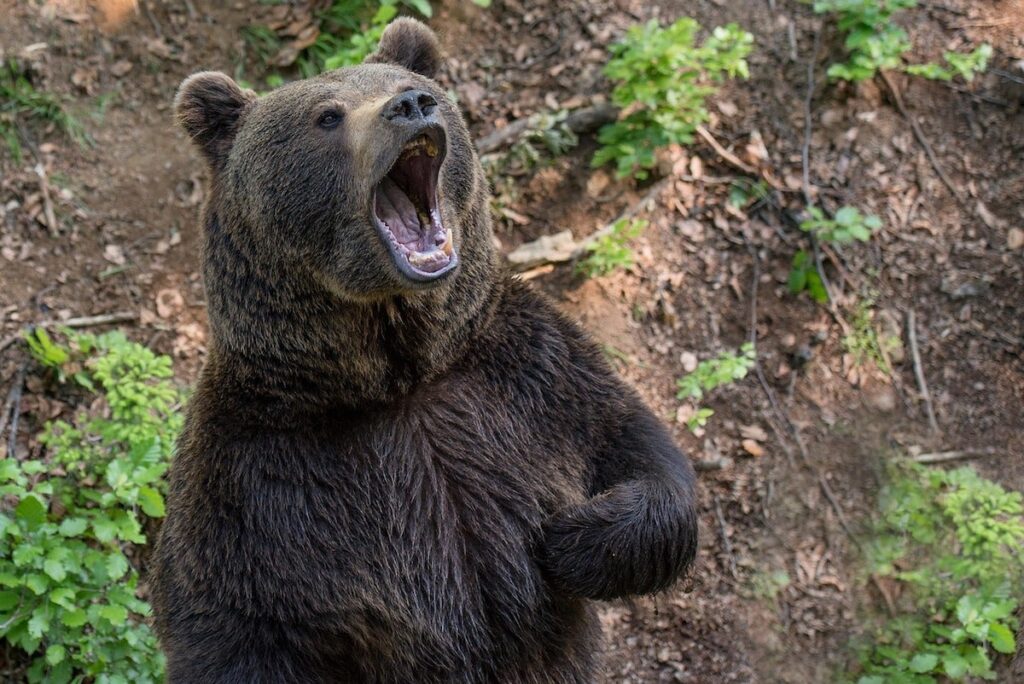
Japan has called in its military to deal with a rising number of bear attacks that have left at least a dozen people dead and more than 100 injured since spring. The crisis is highlighting what happens when predator populations go unchecked.
By Keith Lusher for OutdoorHub
Authorities in the northern prefecture of Akita have enlisted the Japan Self-Defense Forces to set traps and assist local hunters after brown bears and Asiatic black bears began showing up near homes, farms, and even schools. In recent weeks, attacks have become almost a daily occurrence, with most happening in residential areas.
The troops will not be allowed to shoot the bears but will help transport hunters, set baited box traps, and dispose of carcasses once the animals are taken. It is a level of response the country has not seen before, as officials say rural areas are running out of hunters capable of handling the problem.
Experts say Japan’s aging population has created the perfect storm. As more people leave the countryside, abandoned farmland and orchards draw bears looking for food. Once the animals get a taste of fruit or livestock feed, they lose their fear of humans and keep coming back.

In the last seven months, Japan has recorded more than 12 deaths from bear attacks. To put that in perspective, the entire United States typically averages only one or two fatal bear attacks per year, despite having far more bears and far more human encounters.
One major difference is the ability of people to defend themselves. Japan heavily restricts private gun ownership. Handguns are completely banned, and rifles can only be owned by a small number of licensed hunters who undergo extensive background checks and government inspections. Ammunition is tightly controlled and stored separately from firearms. Even using a gun for self-defense can result in criminal charges.
That lack of personal protection means most Japanese residents are defenseless when bears show up near their homes or farms. By comparison, hunters and rural residents in Alaska, Montana, and other parts of North America are often armed and trained to respond immediately if a bear charges.
For hunters, the situation in Japan is a sobering reminder of how quickly wildlife populations can grow out of control when natural management tools are limited and citizens are unable to defend themselves. Japan’s bear population is estimated at more than 54,000, and officials are now calling for a large-scale cull to bring those numbers back in check.

The Ussuri brown bear, Japan’s largest predator, has been sighted near homes and farms as food becomes scarce before winter
Recent incidents include an elderly woman killed while mushroom hunting and another woman attacked while tending her farm. A newspaper deliveryman was mauled in Akita City earlier this week. Local officials say more than 50 people have been attacked in that region alone since May.
Wildlife biologists warn that the attacks are likely to continue until bears enter hibernation later this winter. They also note that Japan’s restrictions on hunting methods, combined with a shortage of younger hunters, have made it difficult to manage the growing bear population effectively.
While the story is unfolding overseas, it carries lessons for hunters and policymakers in the U.S. about predator management, personal defense, and the importance of keeping citizens equipped to protect both themselves and their communities.
Read the original article in its entirety on OutdoorHub.
The opinions expressed in this article are those of the author and do not necessarily reflect the positions of American Liberty News.
READ NEXT: The Art Of Realpolitik: Trump’s Bet On Syria And The Future Of The Middle East