WASHINGTON — The Trump administration is moving to revive offshore oil and gas drilling along the California coast, a shift that would break with four decades of bipartisan avoidance and trigger a fresh political and environmental fight.
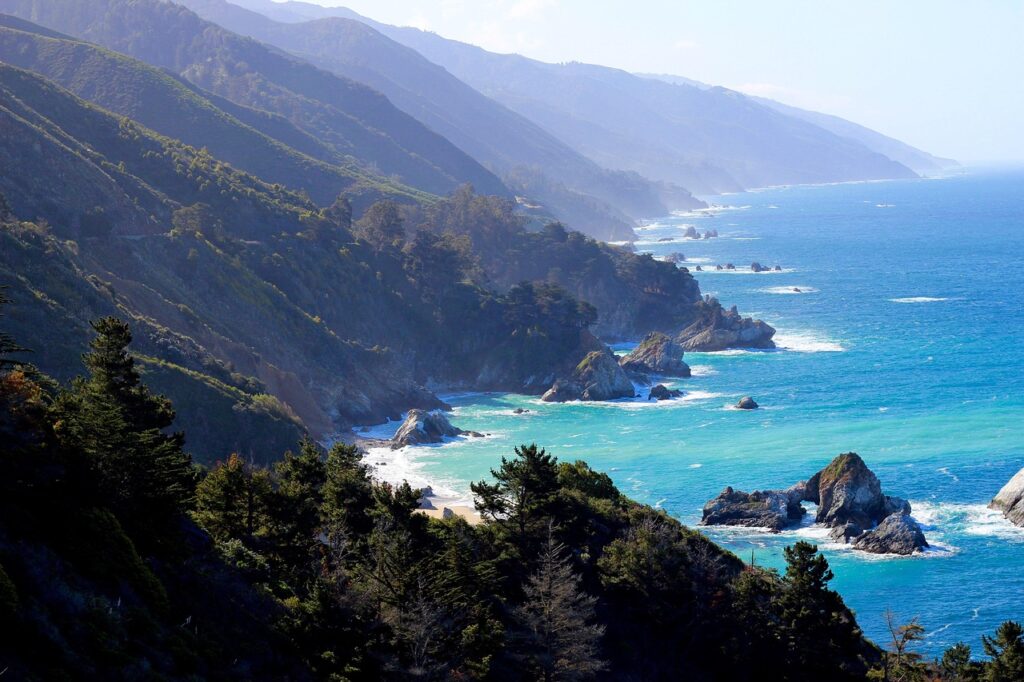
According to draft documents, six lease sales are planned between 2027 and 2030 across federal waters stretching from Santa Barbara to Big Sur and up north to the Sonoma-Mendocino county line. The region hasn’t seen new leasing activity since 1984.
A Wider Push for Offshore Expansion
The Golden State isn’t alone in the crosshairs. The proposed leasing plan is part of a broader federal strategy to ramp up offshore drilling nationwide, including in the eastern Gulf of Mexico and Alaska.
The administration frames the plan as a step toward energy independence. Supporters within the energy industry argue it could create jobs, strengthen domestic supply, and reduce dependence on foreign oil. But analysts caution that offshore California development remains financially uncertain, given the lack of recent exploration, aging infrastructure, and the state’s political climate.
California Pushes Back
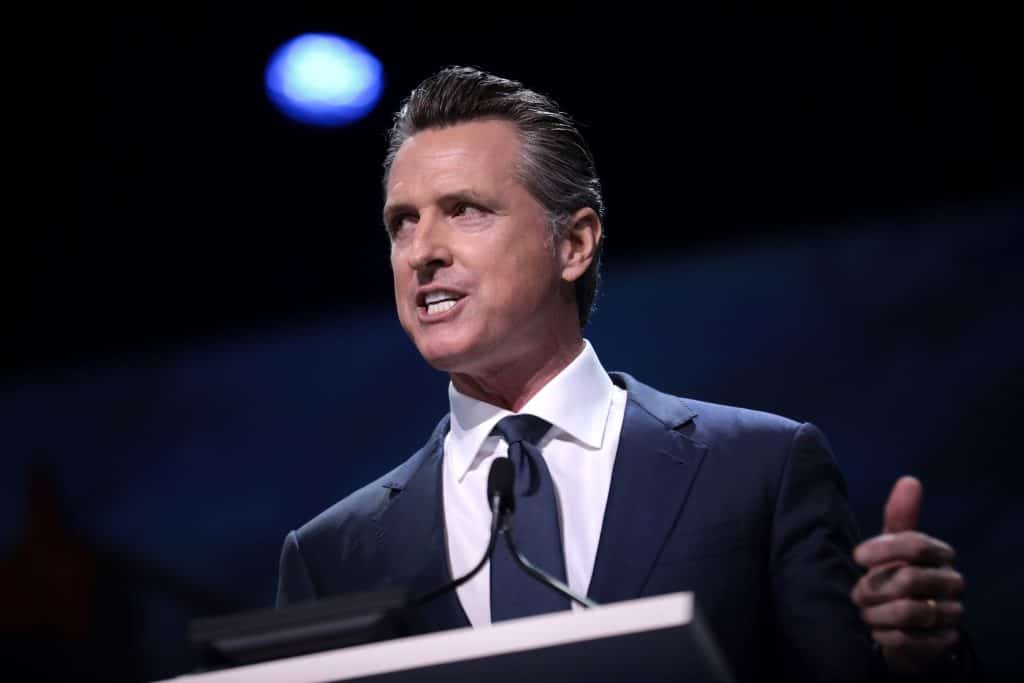
Gov. Gavin Newsom called the proposal “dead on arrival” and vowed to fight it through every legal and regulatory channel available.
Environmental groups and advocates for the coastal economy warn that offshore drilling could pose serious risks to marine life, commercial fisheries, tourism, and local jobs. California’s economy, they point out, leans heavily on clean coastlines and a strong environmental reputation.
State and local governments also have legal tools they’ve used for years to block oil infrastructure, particularly the onshore terminals and pipelines required to process offshore production. These barriers, combined with lawsuits and permitting delays, could stall or even kill any drilling effort outright.
Legal and Logistical Hurdles Ahead
No new leases have been issued off California’s coast in over 40 years. Reversing that de facto moratorium would require navigating federal leasing rules, California’s stringent coastal regulations, and inevitable courtroom battles.
Even if lease sales proceed, oil companies would face a long runway. Exploration, permitting, infrastructure development, and onshore transport approvals could take years.
This fight also sets up a federal-versus-state conflict, as Washington seeks to reassert authority over offshore resources while California remains committed to climate policy, local control, and clean-coast protections.
A High-Stakes Energy Flashpoint
Opening California’s coast to new oil drilling would mark a major policy shift with far-reaching consequences, potentially reshaping the U.S. offshore leasing program and prompting efforts to drill in other previously protected zones.
Politically, it is likely to energize both pro- and anti-drilling constituencies, potentially influencing debates at the state and national levels ahead of upcoming elections.

What Happens Next
The federal government must still finalize the leasing program under the National Outer Continental Shelf Oil & Gas Leasing framework. That includes a formal proposal, public comment periods, and a review process that could take over a year.
The Trump administration previously ordered federal agencies to ramp up U.S. oil and gas production — a direct reversal of Biden-era bans on drilling in the Arctic and along large stretches of the Atlantic and Pacific coasts.
“Under President Donald J. Trump’s leadership, we are unlocking the full potential of our offshore resources to benefit the American people for generations to come,” Interior Secretary Doug Burgum said proudly earlier this year.
In the meantime, state officials are bracing for a lengthy legal fight — one that could determine whether Washington’s energy agenda gains momentum along the West Coast.
READ NEXT: Republicans Release Damning Government Documents