




Legal accountability, immigration enforcement, and campaign rhetoric all collided this week as Washington, the states, and the campaign trail were embroiled in controversy. From a multibillion-dollar lawsuit to a paused enforcement surge and a political firestorm in Ohio, the political temperature is rising rapidly in the dead of winter.
Trump Files $10 Billion Lawsuit Over IRS Tax Return Leak
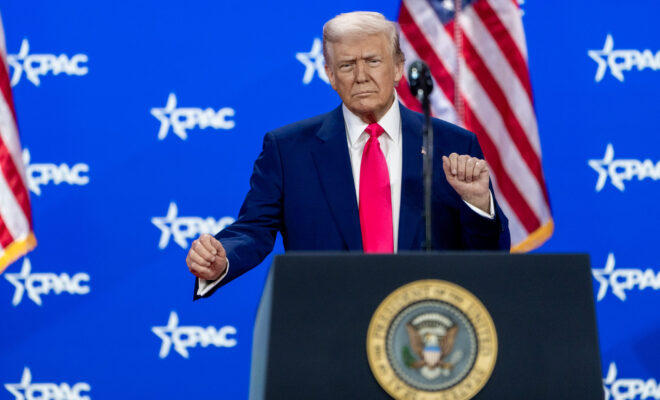
President Donald Trump, his sons, and The Trump Organization filed a sweeping federal lawsuit Thursday night seeking at least $10 billion in damages from the U.S. Treasury Department and the Internal Revenue Service, alleging unlawful disclosure of his tax returns.
According to Bloomberg Tax, the suit claims Trump’s tax records from 2017 through 2021 were released in violation of federal privacy laws, including strict protections under the tax code. The disclosures were traced to Charles Littlejohn, a former IRS contractor employed by Booz Allen Hamilton, who pleaded guilty in 2023 to leaking the documents to The New York Times and ProPublica. Littlejohn was sentenced to five years in prison.
The lawsuit follows the Treasury Department’s recent decision to sever contracts with Booz Allen tied to the incident. Treasury Secretary Scott Bessent said the cancellations—totaling roughly $21 million—were driven by failures to adequately safeguard sensitive taxpayer data and were part of a broader effort to restore trust after the breach.
Legal analysts note that the scale of the damages sought is unusual and could place renewed scrutiny on IRS data security and accountability. Treasury and IRS officials had not issued a public response as of Thursday night.
ICE Ends Enhanced Enforcement Surge in Maine After Senator’s Intervention
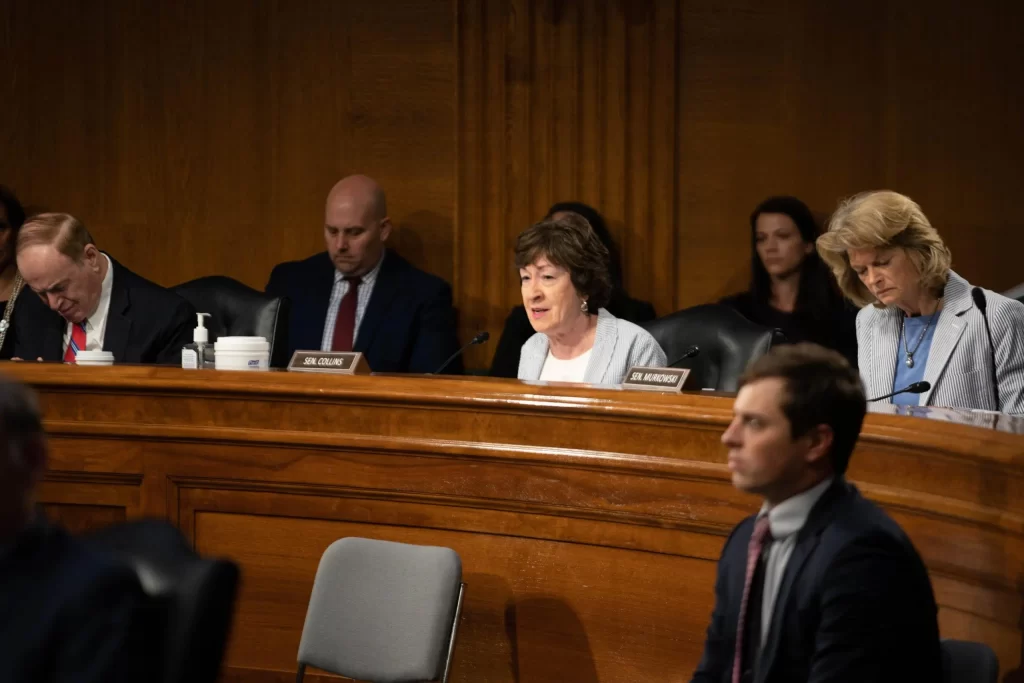
In Maine, Sen. Susan Collins announced that an “enhanced” Immigration and Customs Enforcement presence in the state has concluded following direct talks with Homeland Security Secretary Kristi Noem.
Collins said DHS informed her that the temporary surge—referred to by federal officials as “Operation Catch of the Day”—has ended, and that no large-scale operations are currently underway or planned. The effort had focused primarily on the Portland and Lewiston areas.
“I appreciate the secretary’s willingness to listen to and consider my recommendations,” Collins said, adding that routine ICE and Customs and Border Protection operations will continue as they have for years.
The Maine senator said she raised concerns that the surge was overly broad and resulted in arrests of individuals who posed no public safety threat and were pursuing lawful immigration pathways. Immigration attorneys and families echoed those concerns, saying the scope of the detentions alarmed communities across the state.
The announcement comes amid national dialogue over aggressive immigration enforcement, particularly following recent fatal shootings involving federal agents in Minnesota. While advocates welcomed the end of the surge, Democratic Gov. Janet Mills said the damage to immigrant communities had already been done and called for greater transparency about those detained.
Politically, the issue looms large for Collins, who is seeking reelection in 2026 in what is expected to be one of the most competitive Senate races of the midterm cycle.
Ohio Attorney General Candidate Sparks Firestorm With Trump Remarks
In Ohio, Republican leaders condemned a Democratic candidate for attorney general after a video surfaced showing him saying he would “kill” President Trump—a comment that quickly ignited backlash across the state.
The candidate, former state Rep. Elliot Forhan, later insisted that he was speaking hypothetically about pursuing a criminal conviction that could result in capital punishment after a trial. In the video, Forhan described seeking a jury conviction and a lawful execution “in accordance with due process,” language he claimed was about “accountability” rather than violence.
Still, Republicans called the remarks reckless and disqualifying for someone seeking Ohio’s top law enforcement post. Even Forhan’s Democratic primary opponent, John Kulewicz, criticized the comments as “disgraceful,” arguing that the role of attorney general demands restraint and respect for the justice system.
Forhan defended his statements when pressed, saying that if Trump were to attempt to undermine democracy, he would pursue the matter to the fullest extent of the law. The controversy is now expected to follow him through the Democratic primary and into the general election, where Republicans say it underscores broader concerns about political rhetoric and public safety.
READ NEXT: Ohio Gubernatorial Candidates Select Running Mates