




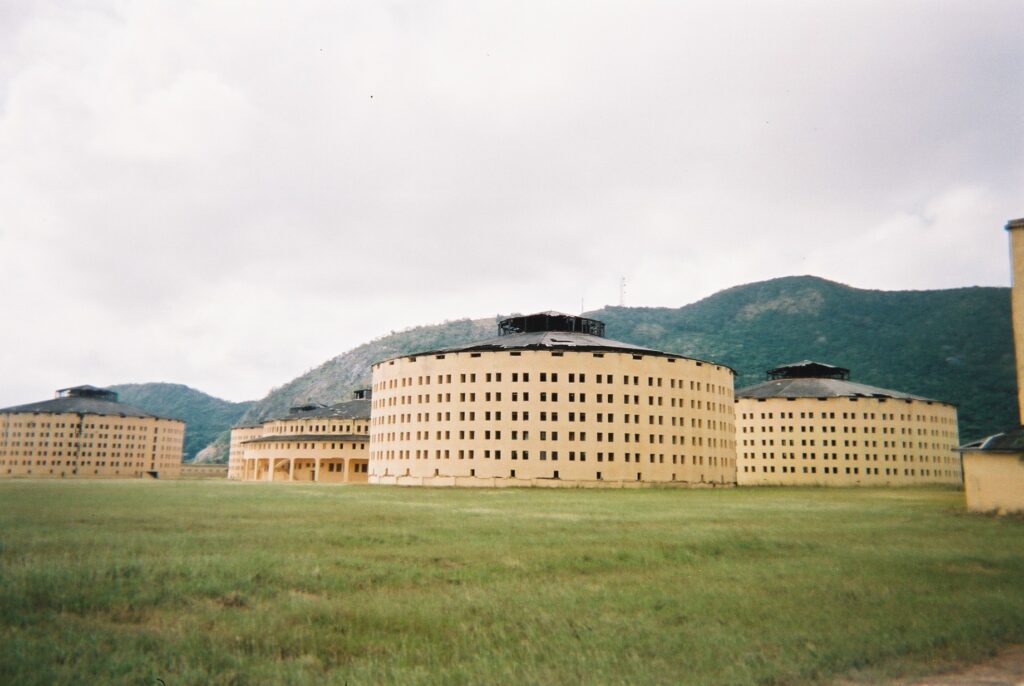
HAVANA — The Cuban government said Thursday it will release 2,010 prisoners, describing the move as a “humanitarian gesture” carried out in the context of Holy Week, as the island faces escalating economic pressure from the United States.
The announcement was published by the Cuban Embassy in Washington on X. Cuban officials did not reference tensions with the Trump administration in their statement.
🚨🇨🇺As part of the process for granting prison benefits established by law and in accordance with Article 90, Section II, of the Constitution of the Republic, it was decided to release 2,010 inmates through a pardon approved by the Government of Cuba.
— Cuban Embassy in US (@EmbaCubaUS) April 3, 2026
This humanitarian and…
Authorities said those slated for release include foreign nationals, Cuban citizens living abroad, as well as young people, women, and older adults. The government said the decision followed a review of each case, citing factors such as the nature of the crimes committed, prisoners’ health conditions, time already served, and good conduct while incarcerated.
The statement did not include a timeline for the releases or specify the conditions under which prisoners would be freed. It also did not detail the crimes for which the individuals had been convicted.
Cuba’s government has long denied holding political prisoners. However, the human rights group Prisoners Defended said 1,214 people were imprisoned on political grounds in Cuba as of February.
The mass release comes as the Trump administration intensifies pressure on the Cuban government through sweeping economic measures, including what officials have described as an effective oil blockade. The restrictions have sharply reduced fuel supplies to the island, contributing to widespread blackouts and a deepening economic crisis.
President Donald Trump imposed the fuel restrictions at the end of January after a U.S. military operation removed Venezuelan leader Nicolás Maduro from power, cutting off a key source of subsidized oil that Cuba had relied on for years.
The administration has paired those economic measures with diplomatic pressure. Trump has tasked Secretary of State Marco Rubio with leading talks with Cuban officials, demanding significant political and economic reforms in exchange for sanctions relief.
Last month, Rubio said Cuba had to change “dramatically” to receive sanctions relief from the U.S.
“Suffice it to say that the embargo is tied to political change on the island … the embargo is codified and — but the bottom line is their economy doesn’t work,” he said in the Oval Office during Trump’s meeting with the Irish taoiseach.
“And the people in charge — they don’t know how to fix it,” Rubio added. “So, they have to get new people in charge.”
Cuba has periodically carried out large-scale prisoner releases during moments of diplomatic or economic significance. In recent years, such moves have coincided with negotiations involving the Vatican or shifts in U.S. policy, including a release of more than 500 prisoners during talks with the Biden administration.
It remains unclear whether the latest announcement is tied directly to ongoing discussions between Washington and Havana, though talks between the two governments have intensified in recent weeks amid the island’s worsening economic conditions.
READ NEXT: US Economy Adds 178K Jobs In March In Better-Than-Expected Report