





A man accused in the brutal killing of a young refugee on public transit in Charlotte has been found legally incompetent to stand trial on state charges, adding a new layer of complexity to a case that made national headlines.
According to court filings reported by WBTV, Decarlos Brown Jr. was evaluated at a state psychiatric facility in December 2025 and determined to be “incapable to proceed.” The finding means he is currently not considered competent to understand the legal proceedings against him or assist in his own defense.
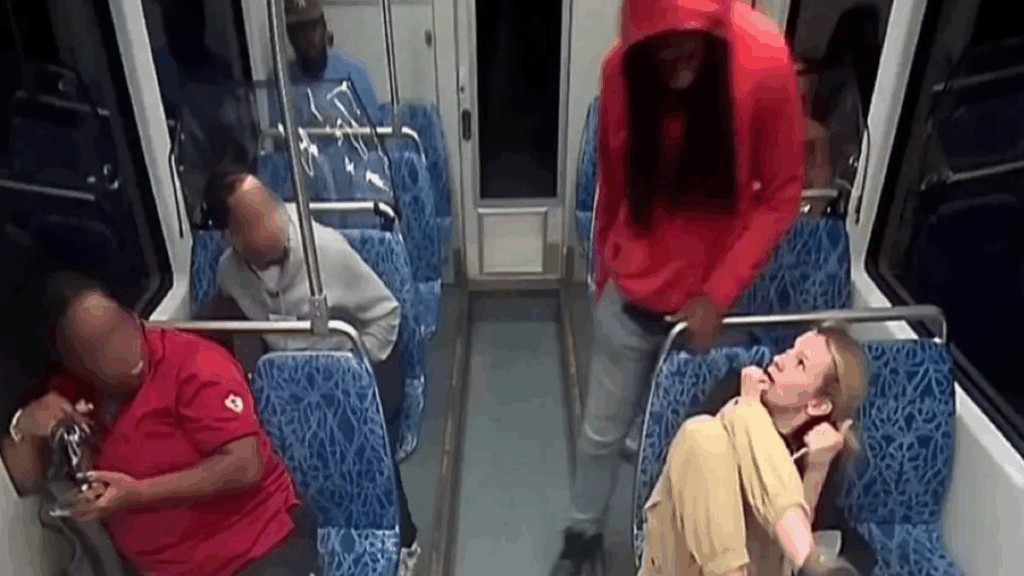
Brown is accused of fatally stabbing Iryna Zarutska, a 23-year-old who had fled Ukraine, while she was riding a light rail train in August. The attack, which was captured on surveillance footage, shocked the community and quickly became a widely reported national case.
Under North Carolina law, a judge must now decide whether to formally accept the competency evaluation. If upheld, the state murder case will be paused until Brown is deemed competent, a process that can take months or longer depending on psychiatric treatment and evaluation.
The situation is further complicated by Brown’s federal case. He is currently in federal custody following an indictment on charges related to violence against a mass transportation system resulting in death. His public defender has argued that his federal detention makes it difficult for the state court to proceed with required competency hearings or to order treatment with the goal of restoring his mental fitness.
Restoring competency can be a lengthy process, particularly in North Carolina, where mental health facilities often face capacity constraints. Defendants can sometimes wait extended periods for placement in appropriate treatment programs.
Brown’s history has also come under scrutiny. Records indicate multiple prior arrests over the years, and family members have discussed his struggles with mental illness. Details from previous police encounters suggest he had expressed delusional beliefs prior to the attack.
The killing of Zarutska prompted political and legislative responses. Donald Trump publicly called for the death penalty in the federal case, while Josh Stein later signed legislation known as “Iryna’s Law.” The measure restricts the use of cashless bail for certain violent offenses and repeat offenders, addressing concerns raised by the case.
As legal proceedings continue on both the state and federal levels, the focus is likely to remain on Brown’s mental competency and whether he can eventually stand trial. Meanwhile, the case continues to raise broader questions about public safety and pretrial release policies.
READ NEXT: Mayoral Candidate Calls For Removal Of Iryna Zarutska Mural