Good morning. Today’s stories feature reputation and accountability—from a forceful denial at the White House to renewed scrutiny of public remarks in California, in addition to a high-stakes legal battle that could reshape how Americans vote.
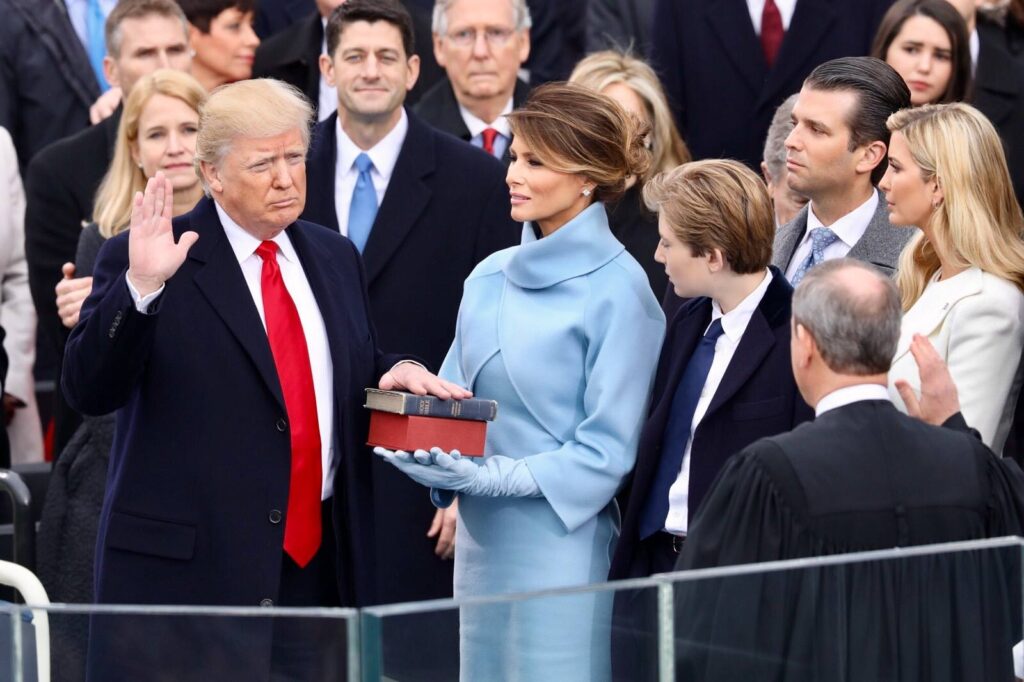
Melania Trump Rejects Epstein Allegations
First Lady Melania Trump is forcefully rejecting claims linking her to convicted sex offender Jeffrey Epstein, calling the allegations “disgraceful” and entirely false.
In a rare public statement, she addressed the issue directly, stating she was never Epstein’s victim, never had a relationship with him, and was never on his plane or private island. She also rejected claims that Epstein introduced her to Donald Trump, saying she met her husband independently in New York in 1998.
Framing the controversy as part of a broader wave of misinformation, the first lady pointed to fake images and what she described as fabricated narratives circulating online. She emphasized that her name has never appeared in legal filings or victim accounts tied to Epstein’s crimes.
Her remarks come amid renewed scrutiny surrounding Epstein’s network and associates, with Melania Trump urging that attention remain focused on victims rather than speculation.
Jennifer Siebel Newsom Faces Backlash Over Resurfaced Remarks
In California, a resurfaced video has reignited criticism of Jennifer Siebel Newsom, wife of Governor Gavin Newsom, over comments linking a childhood tragedy to the experiences of prison inmates.
In the clip, Siebel Newsom described bonding with incarcerated men by sharing the story of her sister’s accidental death, suggesting the experience felt “similar” and that some individuals may have acted after being in the “wrong place, wrong time.”
Critics argue the comparison blurs the line between tragic accidents and criminal responsibility, particularly for those convicted of violent crimes. The backlash has brought renewed attention to her public statements and activism, including her past advocacy work and high-profile testimony against Harvey Weinstein.
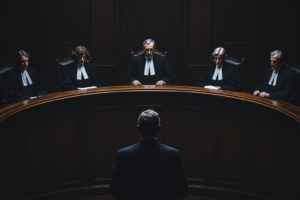
Joe Gruters Predicts Major Supreme Court Ruling on Ballot Deadlines
A looming Supreme Court decision could significantly reshape American election rules, with Republican National Committee Chairman Joe Gruters acknowledging it as the potential “biggest election integrity win.”
At the center is Watson v. Republican National Committee, a case that questions whether mail-in ballots received after Election Day—but postmarked on time—should be counted.
Currently, more than a dozen states allow a grace period for late-arriving ballots. A ruling against that practice would require those states to tighten deadlines, potentially changing how millions of votes are handled in future elections.
The case also raises broader constitutional and policy questions, including whether such rules should be set by states or Congress, and how they affect public confidence in elections. During oral arguments, Brett Kavanaugh and others signaled interest in how ballot deadlines intersect with trust in the electoral process.
The lawsuit is part of a wider legal campaign by the RNC, which has filed more than 100 cases across dozens of states focused on voter ID laws, ballot procedures, and voter roll accuracy.
With a decision expected ahead of the 2026 midterms, the outcome could force rapid changes to election systems nationwide—making this one of the most closely watched voting deadlines cases in years.
READ NEXT: Gavin Newsom’s Wife Faces Backlash After Comparing Childhood Accident To Prison Inmates’ Crimes