







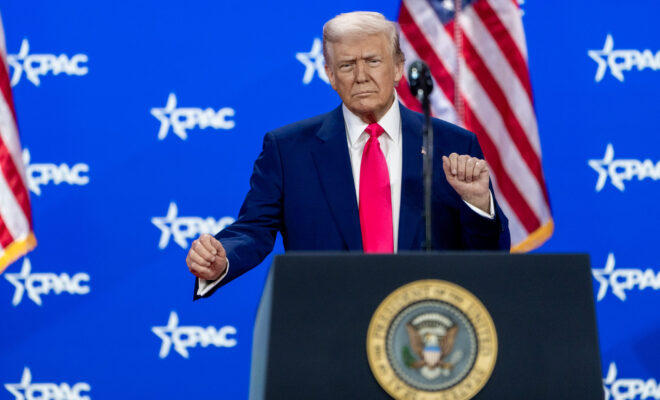
WASHINGTON — President Donald Trump said Thursday that Israel and Lebanon have agreed to a 10-day cease-fire, a development aimed at easing tensions after weeks of escalating conflict involving Hezbollah and broader regional instability.
The cease-fire is set to begin at 5 p.m. Eastern Time and was reached following U.S.-mediated talks with Israeli Prime Minister Benjamin Netanyahu and Lebanese President Joseph Aoun, according to Trump.
Trump said the agreement is intended as a temporary step toward broader peace negotiations, describing it as an opportunity to “create breathing room” while diplomatic efforts continue.
First Talks in Decades
The deal follows rare direct engagement between Israeli and Lebanese officials, facilitated by the United States — the first such talks between the two sides in decades.
Secretary of State Marco Rubio played a central role in the negotiations, hosting discussions in Washington earlier in the week that helped pave the way for the agreement.
Backdrop of Escalation
The ceasefire comes amid intensifying violence between Israel and Hezbollah, the Iran-backed terror group operating in Lebanon.
Recent Israeli strikes in Lebanon, along with retaliatory rocket attacks, have contributed to a broader regional crisis tied to the ongoing conflict involving Iran, raising concerns about escalating instability across the Middle East.
Since the resumption of major hostilities on March 2, 2026, the conflict between Israel and Hezbollah has resulted in significant casualties on both sides. As of April 15, the death toll in Lebanon has surpassed 2,100, while Israel has reported 14 fatalities.
Uncertain Outlook
Despite the agreement, tensions remain high. Hezbollah has criticized Lebanon’s participation in negotiations, and military activity has continued in some areas even as the ceasefire was being finalized.
Analysts caution that the short duration of the truce — just 10 days — highlights the fragility of the situation and the challenges facing efforts to secure a longer-term settlement.
What Comes Next
U.S. officials are expected to continue diplomatic efforts during the ceasefire window, with the goal of extending the truce or negotiating a broader agreement.
The outcome could have significant implications not only for Israel and Lebanon but also for wider negotiations involving Iran and regional stability.
This is a breaking news story. Please check back for updates.
READ NEXT: Fallen Democrat Star Dead In Murder-Suicide


















Israel is not/has not been at war with Lebanon; it is at war with Hezbollah. Don’t see how this cease-fire with Lebanon changes anything. Israel must continue to kill Hezbollah terrorists and destroy their infrastructure. Lebanon was supposed to do this based on prior agreements, but it has not and is not likely to do so as Hezbollah is too integrated into Lebanese society and government.