Jury selection is set to begin in Oakland for a high-profile federal civil trial between Elon Musk and Sam Altman in a case that could have far-reaching consequences for the artificial intelligence industry.
The dispute revolves around OpenAI and its evolution from a nonprofit research lab into a hybrid structure that includes a for-profit entity. Musk and Altman were among the organization’s original co-founders when it launched in 2015 with a mission focused on advancing AI for public benefit. In the years since, OpenAI has restructured to allow outside investment while maintaining oversight from a nonprofit foundation.
Presiding over the case is U.S. District Judge Yvonne Gonzalez Rogers, who previously described the dispute as “billionaires versus billionaires.” The trial is expected to run for approximately four weeks and may include testimony from several prominent figures in the tech world, including executives and researchers connected to OpenAI and its partners. Among those who could be called is Satya Nadella, whose company Microsoft is a major investor in OpenAI.
Musk, who now leads a competing AI venture, xAI, filed the lawsuit in 2024. He alleges that OpenAI’s leadership abandoned its founding principles by shifting toward profit-driven goals after receiving his support and contributions. According to Musk, the organization’s transition represents a fundamental breach of its original mission.
OpenAI and its co-defendants dispute that characterization. They argue that Musk left the organization in 2018 following disagreements about its direction and funding, and they contend that he had previously supported structural changes to enable OpenAI to raise capital more effectively. The defense also maintains that Musk did not fulfill a previously discussed financial commitment.
The case has increasingly taken on a personal dimension, with both men exchanging public remarks on social media and in interviews. Despite the tensions, both sides have expressed confidence ahead of trial, signaling a contentious courtroom battle.
The potential stakes are substantial. Musk initially sought damages he later valued at $134 billion, naming both OpenAI and Microsoft as defendants. In a revised filing, he indicated that any recovered funds should go to OpenAI’s charitable arm. He has also asked the court to impose structural changes, including the removal of Altman and OpenAI co-founder Greg Brockman, and to enforce adherence to the organization’s original charter. OpenAI has challenged these requests, calling them last-minute and unwarranted.
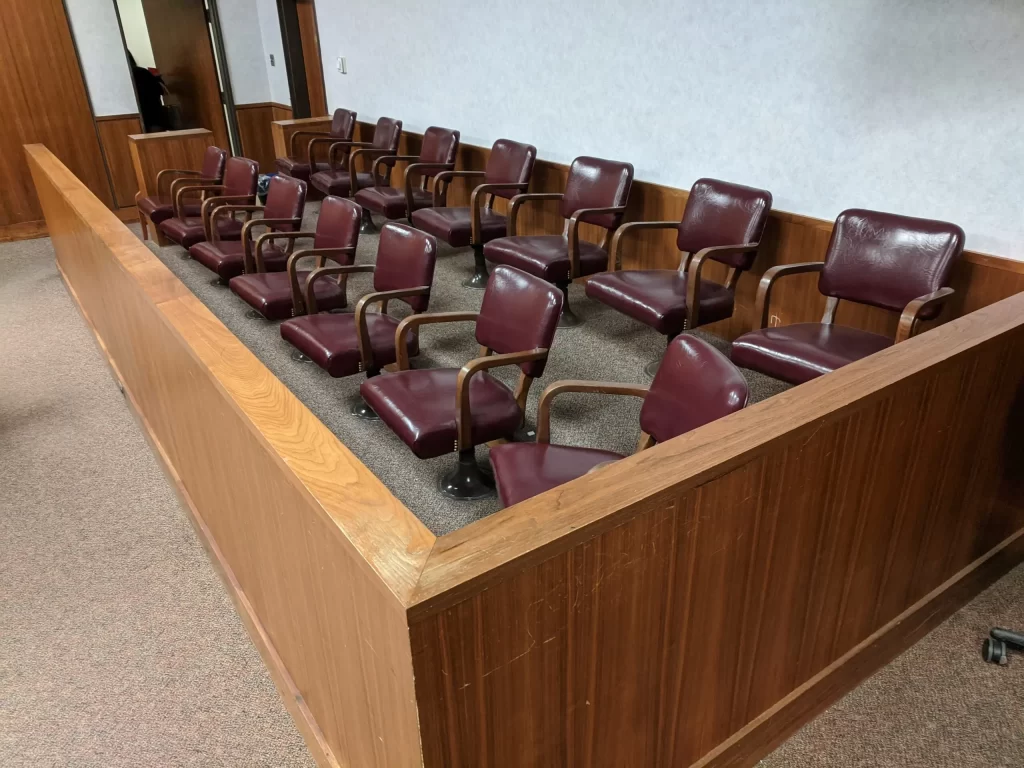
The trial will follow an unusual format. The jury will serve in an advisory role, meaning their findings will inform but not determine the outcome. Judge Rogers will ultimately decide questions of liability and, if necessary, any remedies.
In addition to the legal and financial implications, the case is being closely watched for what it may signal about the future governance of AI development. As artificial intelligence becomes central to global competition and economic growth, the outcome could influence how organizations balance public-interest missions with the need for significant capital investment.
With prominent figures, major financial stakes, and competing visions for the future of AI, the trial represents a pivotal moment not only for the parties involved but also for the broader technology industry.
READ NEXT: AI Superintelligence Briefing: Sam Altman’s Secret Date With DC