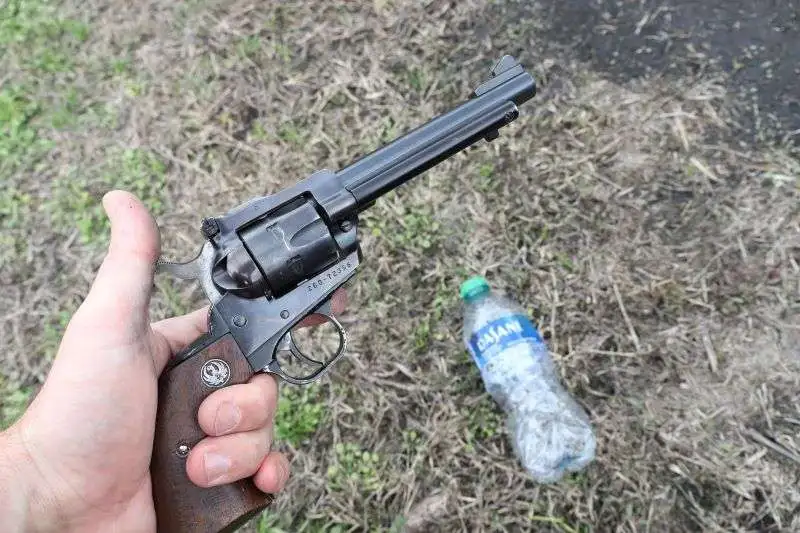
One of my favorite targets range from 16 oz soda bottles to one gallon milk jugs filled with water. The difficulty varies, but whenever they are hit, they tend to jump and bounce on the ground. Hitting them again will often make them bounce again. This forces me to focus on sight alignment, sight picture, and maintaining a good trigger press and follow through to follow the target to deliver more hits if necessary, as the target moves to another unexpected location. You can take your time with this, but it is fun and has more realism when you pick up the pace.
How To Plink Safely
There is no formula for plinking effectively aside from remembering the unchanging firearms safety rules. However, since the targets tend to be reactive, eye and ear protection is strongly recommended. We can lump these together as Rule No. 1.
Rule No. 2 is to have fun. Take out any firearm you have, grab a safe target, and go have fun. But if you are not sure about the guns and equipment to start with, I do have a few recommendations.
A rifle or handgun chambered in .22 Long Rifle are great first firearms and an essential part of any gun enthusiast’s collection. .22 LR ammunition is cheap to buy. The firearms chambered for them can be as cheap or as expensive as your heart desires and all of them boast very little noise and no felt recoil. This allows you to take the anticipation of recoil and noise out of the equation and work on the essentials of sight alignment, sight picture, and trigger control. It is also appealing from a plinking perspective because you are out so little money having a fun afternoon.
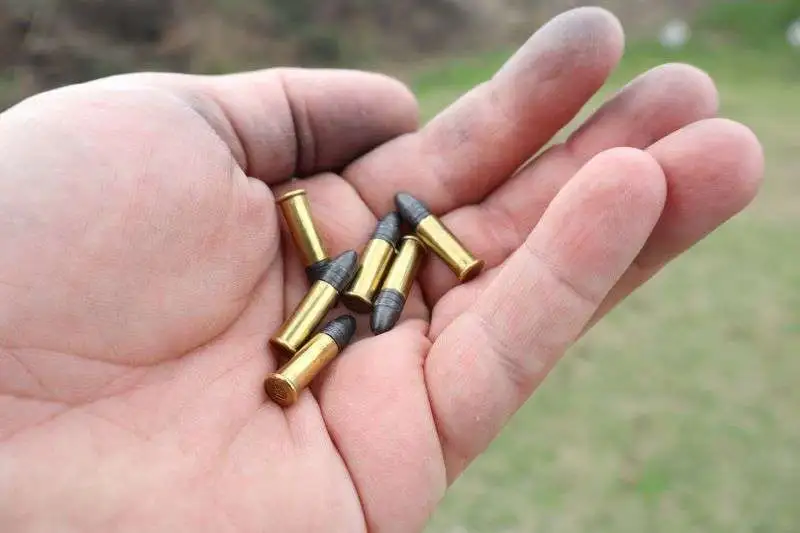
The .22 LR is the quintessential plinker’s round, but just about any firearm in safe operating condition will suffice. Indeed, the bigger you go the more you will probably get out of plinking as a training exercise. It is more useful to plink with the firearm you intend to use for personal protection or hunting so you can play off that noise and recoil and work to keep the training fundamentals consistent. Then you will be able to set expectations for yourself and your gear for real shooting.
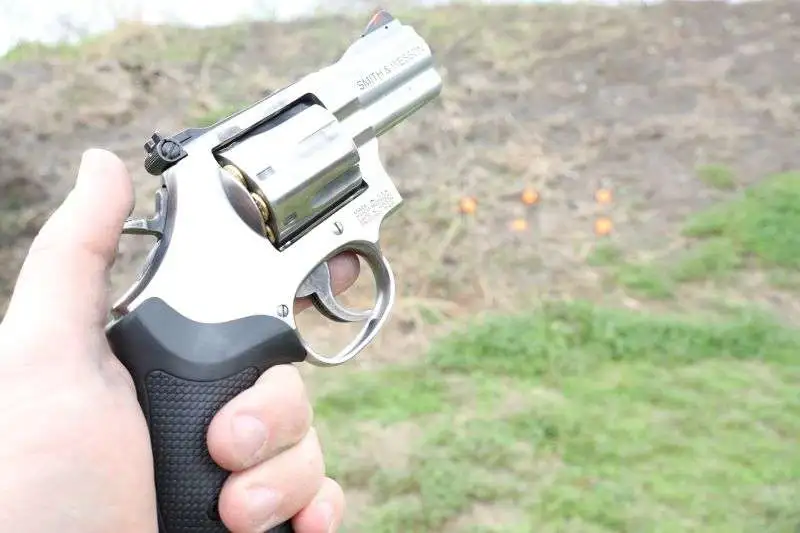
Targets are as various as firearms you can use. I am partial to the aforementioned bottles and milk jugs, but I am partial to clay birds. They are small in size, and most brands are biodegradable. Birds also do not necessarily shatter when shot. Sometimes you can drill a hole right through them while leaving them intact, requiring a skilled follow-up shot to shatter the rest of the disc.
I also like shooting steel targets of various sizes, though they are not always available or handy to lug around. Likewise, you have to be particularly careful with steel targets as lead splash from the bullets could ricochet. If you want to shoot steel targets, it is safer to be some distance away and a recommended distance is often available from the manufacturer. The use of rocks and bodies of water is also potentially unsafe as both can cause ricochets. But standing too close to any solid target is potentially unsafe. I happened to take a ricochet to the shin from shooting at a treated 2×6. As always, exercise caution but remember to have fun too!
Read in its entirety at breachbangclear.com.
]]>