






South Korean intelligence has reported unusual movements on the North Korean side of the border, signaling potential military escalation. North Korea has reportedly begun large-scale deployments of troops and transported explosives to key areas, raising concerns that the regime is preparing to destroy key infrastructure, including the Gyeongui and Donghae railway lines and roads that connect the two Koreas. This follows an Oct. 9 announcement from North Korea’s National Defence Commission, stating its intent to sever all transportation lines with the South and fortify border areas.
Multiple sources, including Reuters, have indicated that North Korea may carry out explosive operations to disrupt key transit routes as early as today. Additionally, there are reports of intensified military activity near the Demilitarized Zone (DMZ), signaling a potentially dangerous escalation.
North Korea's Army said it will completely cut off roads and railways connected to South Korea and fortify the areas on its side of the border https://t.co/HpMbG4grNt pic.twitter.com/Xk0J7troPs
— Reuters (@Reuters) October 9, 2024
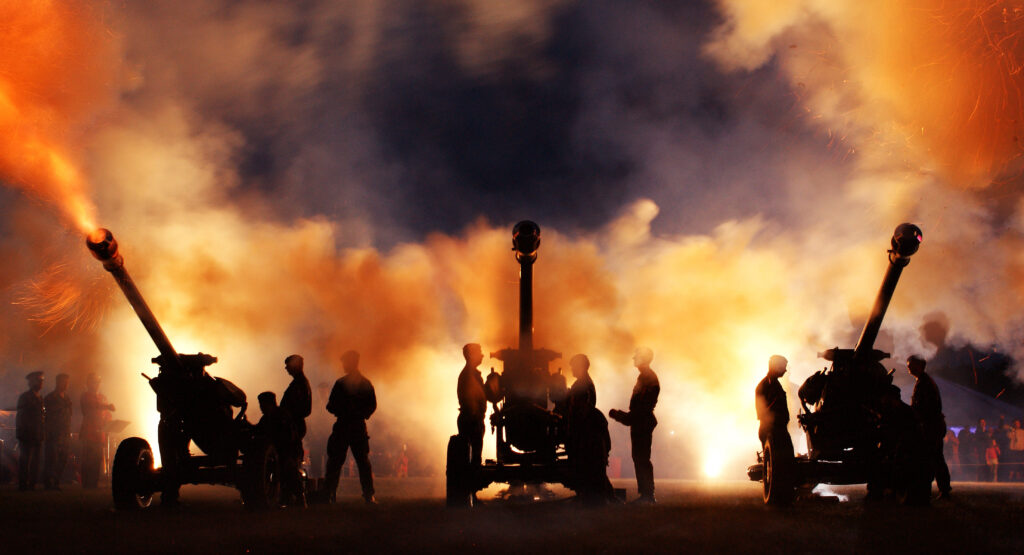
Artillery Brigades on Full Combat Readiness
North Korea has reportedly moved eight artillery brigades to full combat readiness, positioning them near the DMZ. Troops have been instructed to stand by at fire positions, ready to launch an assault. This comes in response to claims from Pyongyang that South Korean drones dropped propaganda leaflets over the North’s capital. These accusations have escalated tensions between the two nations, prompting increased military posturing on both sides of the border.
South Korea’s Stern Response
In response to the growing threats, South Korea’s defense ministry has issued a strong warning, stating that any attack by North Korea on South Korean territory or its citizens will result in the downfall of the Kim regime. Seoul has emphasized its readiness to defend against any provocation and vowed to respond decisively to protect its 10 million inhabitants. The capital region’s population of 26 million makes it the fourth largest metropolitan area in the world.
BREAKING:
— Visegrád 24 (@visegrad24) October 13, 2024
Kim Jong-un orders 8 artillery brigades near the border with South Korea to be put on full alert and ready for combat.
The order comes amid rising tensions with South Korea and accusations of South Korean drone flights over the North Korean capital city.
🇰🇷🇰🇵 pic.twitter.com/qiDfnaIw5h
Proximity of Seoul to the DMZ and Artillery Threats
Seoul, South Korea’s capital, lies just 50 kilometers (approximately 31 miles) from the DMZ. Given its proximity, it is well within range of North Korea’s long-range artillery. North Korea has thousands of artillery units positioned along the border, making the threat of shelling a significant concern in any potential conflict.
Troop Deployments Along the 38th Parallel
Since the Korean War armistice in 1953, both South and North Korea have maintained heavy troop deployments along the 38th parallel. While the DMZ remains one of the most fortified borders in the world, there have been sporadic skirmishes over the years. Incidents such as landmine explosions, small arms fire and the exchange of artillery rounds have occasionally flared up, underscoring the fragile nature of peace along the border.
Tensions remain high, with the latest developments only adding to the long-standing hostilities. Both sides have increased vigilance, and the international community is closely watching for any further escalation that could lead to a wider conflict.
READ NEXT: Property Management Company Responds To Migrant Gang Controversy Outside Denver




















We should have wiped them out when we had the chance