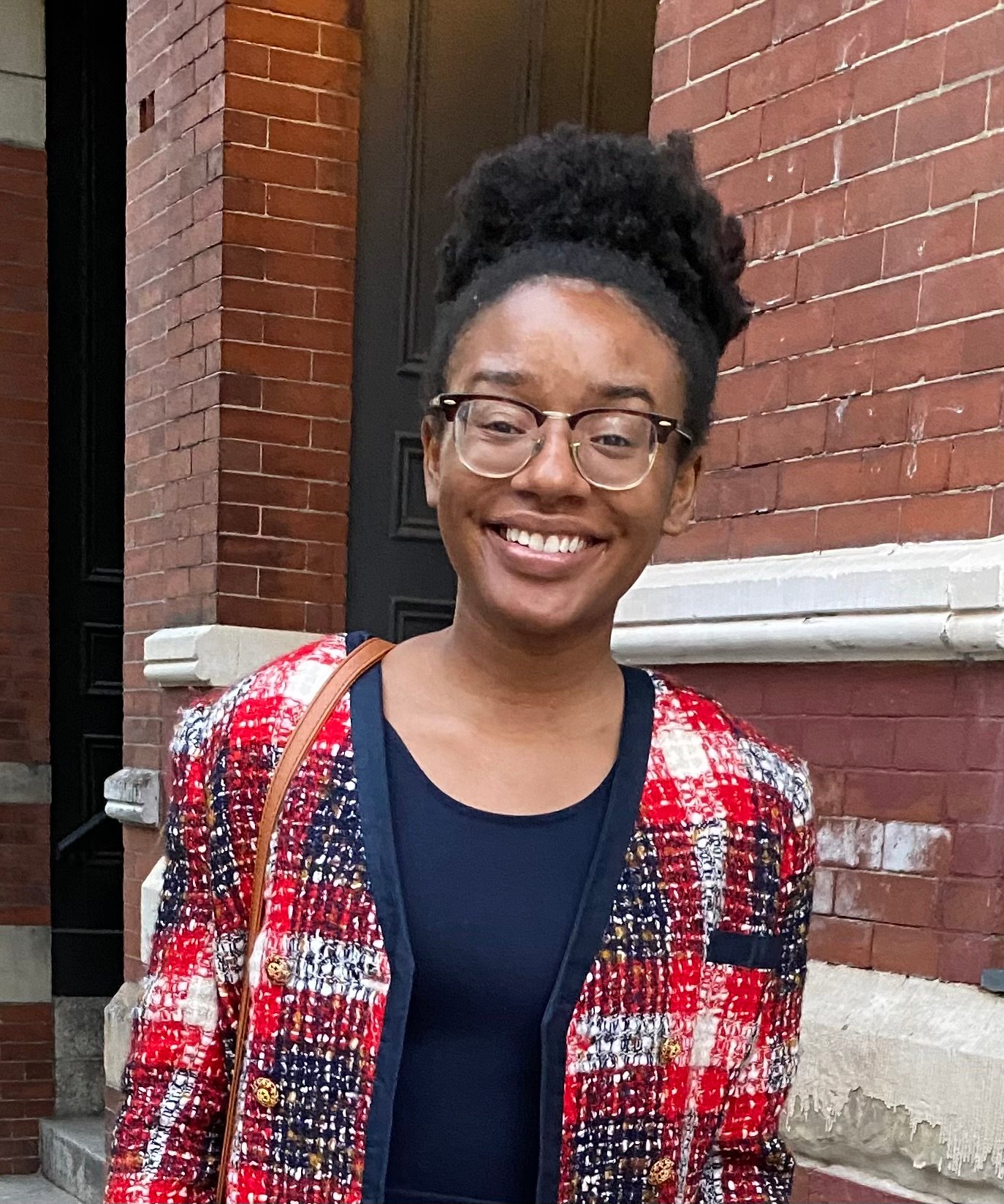
As the 2024 presidential campaign has unfolded, Vice President Kamala Harris has struggled to strike a balance between distancing herself from her current administration and proudly boasting of its “accomplishments,” in addition to rebranding herself as a moderate despite her previously stated (and demonstrated) progressive beliefs. She’s raised eyebrows among political analysts and voters alike for her unorthodox media strategy, refusing to meaningfully engage with the press, and failing spectacularly in the limited interviews she’s given, struggling to answer predictable questions that she’s had months to prepare for.
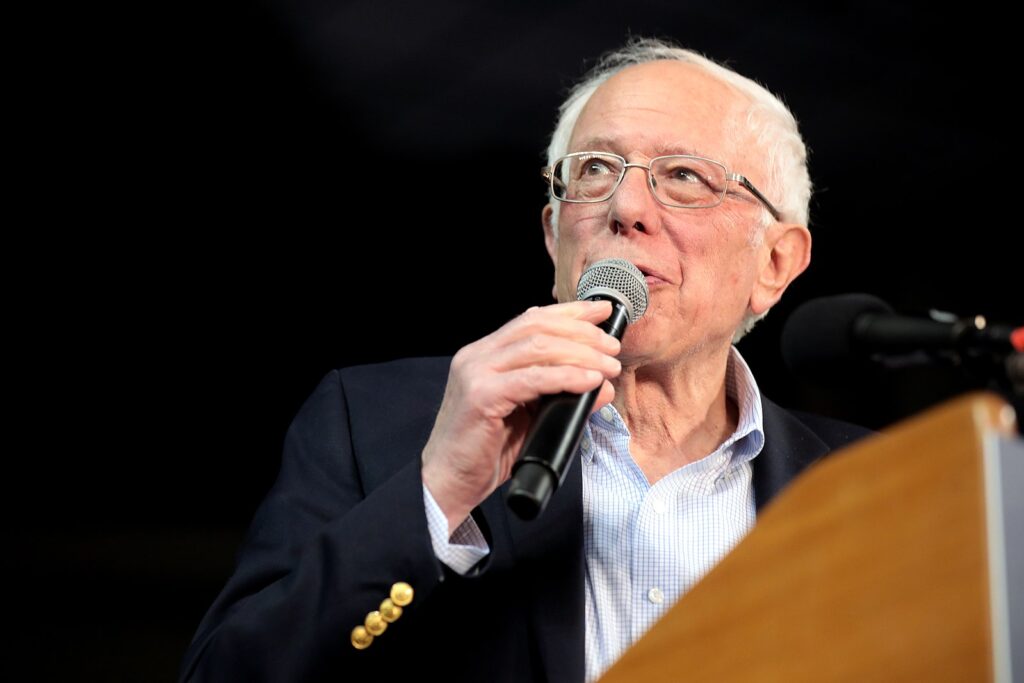
Avowed socialist Senator Bernie Sanders threw her campaign a curveball in an interview with CNN’s Kaitlan Collins, who asked him if he believed that Harris should have had more to say about what set her apart from Biden and what she planned to do differently in office.
Sanders responded, “Well, frankly, it’s no great secret, I happen to believe that, on domestic issues, President Biden has probably been the most progressive president since Franklin Delano Roosevelt. And I think he’s done a lot of good work in a lot of areas, which I think he is not getting the kind of credit that he deserves [for]. And Kamala Harris has been at his side throughout that whole process and she deserves the credit.”
As Harris scrambles to court middle of the road voters and independents, this comment coming from one of the furthest left federal officials has a great potential to hurt her campaign more than it helps.
In her limited public appearances since becoming the presumptive Democratic nominee, Harris has insisted on a more centrist approach, touting endorsements from Republicans like Liz Cheney and Jeff Flake, shying away from the Marxist dogma that characterized her political career entering the vice presidency. This shift is obviously intended to appeal to a broader electorate, especially moderates and independents who are more concerned with the economy and immigration than the social issues and identity politics championed by Democratic leadership in recent years.
Voters may be more accepting of this change of heart if Harris could offer a sensible explanation for it, but so far her attempts to clarify her flip flops have been unsuccessful. In her first interview of the season, all she was able to offer was that “her values have not changed” when asked about her evolving stances. Her abrupt position pivots raise questions about her reliability as a candidate and how she really intends to govern. Following years characterized by turmoil and uncertainty, voters are desperate for leaders with clear, consistent values, and Harris’s attempts to straddle the line between progressivism and centrism leaves many of them with more questions than answers — even after her interviews.
Harris has made a habit of giving unclear “word salad” answers on critical issues, leaving voters in the dark about where she truly stands. Critics argue that her attempts to rebrand herself are not only disingenuous but also reflect a lack of integrity.
With Election Day less than a month away, it remains to be seen whether Harris can effectively reconcile her past with her current campaign. For many voters, her ambiguity and shifting positions are alarming, suggesting a lack of conviction, vision and leadership.
Harris’s struggle to define her political identity highlights the broader challenges facing the Democratic Party as it grapples with internal divisions and the priorities of the American electorate.