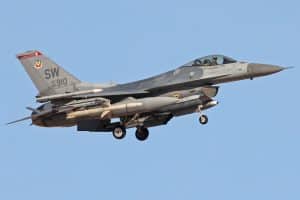
The Trump administration is weighing military action against an al-Qaeda-linked militant group in Mali, according to current and former U.S. officials, opening the possibility of another overseas military campaign as the White House continues operations in the Middle East.
Officials told The Washington Post that the administration is considering strikes against Jama’at Nusrat al-Islam wal-Muslimin, or JNIM, an al-Qaeda affiliate that has rapidly expanded its influence across the Sahel and is now considered one of the world’s most capable jihadist organizations. No final decision has been made, and internal deliberations remain ongoing.
White House debates next move
The proposal has exposed divisions within the administration over whether the United States should become more directly involved in another foreign conflict.
According to officials familiar with the discussions, one of the strongest advocates for military action is Sebastian Gorka, the National Security Council’s senior director for counterterrorism. Other officials have reportedly questioned whether expanding U.S. military operations into Mali aligns with President Donald Trump’s long-standing pledge to avoid prolonged overseas wars.
If approved, Mali would become the eighth country where Trump has authorized military strikes during his second term.
JNIM has emerged as a growing regional threat
The deliberations come as JNIM continues to gain strength across West Africa.
The al-Qaeda affiliate has exploited years of political instability in Mali and neighboring countries, extending its reach beyond the Sahel into coastal West African nations. Security analysts say the group has become one of al-Qaeda’s most powerful regional branches, controlling territory, collecting taxes and carrying out increasingly sophisticated attacks.
Violence has escalated sharply in recent weeks.
Last weekend, militants from JNIM and allied Tuareg separatists ambushed a Malian military convoy in northern Mali, killing or capturing dozens of soldiers and allied Russian fighters, according to rebel statements and local sources. The attack followed a series of coordinated assaults earlier this month targeting military installations across the country.
Russia’s influence has failed to stabilize Mali
The security crisis has unfolded after Mali’s military government broke with Western partners following a series of coups and turned instead to Russia for military support.
French troops and U.N. peacekeepers withdrew from the country, while Russian-backed forces assumed a greater role in assisting the Malian government. Despite that shift, jihadist violence has continued to worsen.
Administration officials reportedly view Russia’s inability to contain JNIM as evidence that Moscow has failed to stabilize the region and hope other African governments take notice.
No decision has been announced
The White House has not publicly confirmed any plans for military action, and officials stressed that discussions remain preliminary.
Any decision would add another front to an already active U.S. military posture that includes operations in Iran, Yemen and Somalia, while renewing debate over how far the administration should go in confronting terrorist groups abroad.
For now, officials say no final decision has been reached, and it remains unclear whether the administration will ultimately authorize strikes or pursue other options to counter JNIM’s growing influence in West Africa.
READ NEXT: Cuba’s Biggest Export Wasn’t What You Think