

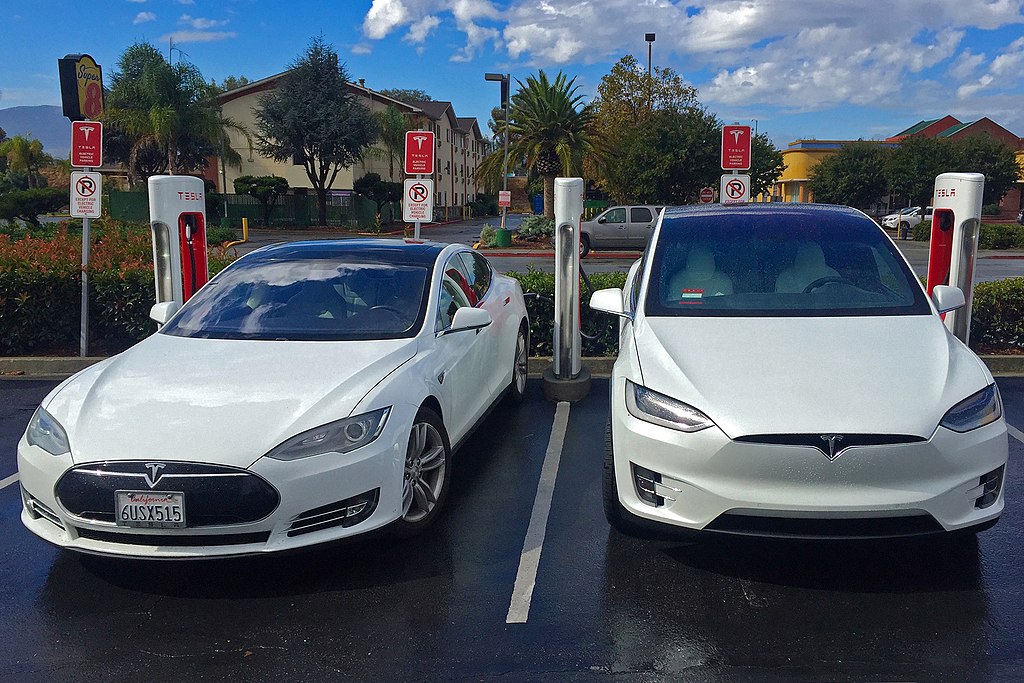
With the presidential election just days away, Vice President Kamala Harris finds herself embroiled in controversy over her aggressive promotion of electric vehicles (EVs) coinciding with a substantial donation from a Chinese electric vehicle executive with ties to the Chinese Communist Party. This situation not only raises questions about the integrity of her campaign but also brings a broader concern regarding America’s growing dependence on China for critical technology and resources to the forefront.
In a letter addressed to the Harris campaign, Driving Force Action PAC wrote, “We are deeply concerned about the reported $50,000 in political contributions your campaign received from Stella Ke Li, a Chinese national and senior executive at BYD, a Chinese electric vehicle company with close ties to the CCP and a company identified as a national security threat on par with Huawei.”
The letter continued, “The acceptance of political contributions from an executive of a company with such ties to the CCP raises serious ethical and national security concerns, especially in light of your campaign’s previous stance on reducing reliance on foreign adversaries for critical industries like electric vehicles. While you have recently spoken in support of American manufacturing and expressed concern about China’s dominance in the electric vehicle market, accepting contributions from BYD appears inconsistent with these statements.”
Critics argue that an electric vehicle mandate would increase reliance on China, undermining American economic independence, as China dominates the global supply chain for the materials necessary to manufacture electric vehicle batteries, including lithium, cobalt, and nickel. By pushing for a rapid transition to EVs, Harris risks placing the United States in a vulnerable position, relying on a country that poses significant strategic threats.
Moreover, the optics of accepting large donations from foreign entities while advocating for policies that directly benefit their interests is troubling. It raises concerns about the potential influence of foreign powers on American policy, especially in a sector that is crucial to national security and economic stability.
Her running mate also has a notoriously suspicious relationship with China, making these developments all the more troubling.
Readers should also note that this “green” initiatives is an ultimately hollow gesture, because while she insists an EV mandate will reduce carbon emissions and bring forth environmental justice, in reality, the mining process for the materials necessary to produce EV batteries generate extreme pollution. This paradox raises legitimate questions about the long-term viability of her plans and her motivations.
The American people have also shown minimal interest in electric vehicles, as they’re known to be significantly more expensive and less reliable than their gas-powered alternatives. Many are concerned that Harris’s push, fueled by questionable funding sources, lacks a comprehensive strategy to ensure that this transition benefits the U.S. economy and protects American sovereignty without creating an extra burden for the middle and working classes that Harris claims to fight for.
While Harris has tried to distance herself from the mandate she once proudly championed, given her track record on flip flopping, this ordeal must be taken seriously — particularly in light of her ties to a Chinese executive. As voters evaluate their options in the upcoming election, it is essential to consider the implications of electing leaders who may prioritize foreign interests over American prosperity. Harris’s agenda must be examined not only for its environmental goals but also for its broader impact on the nation’s independence and security.










I thought donations from foreigners was illegal Of course what does Kamala do that’s legal