






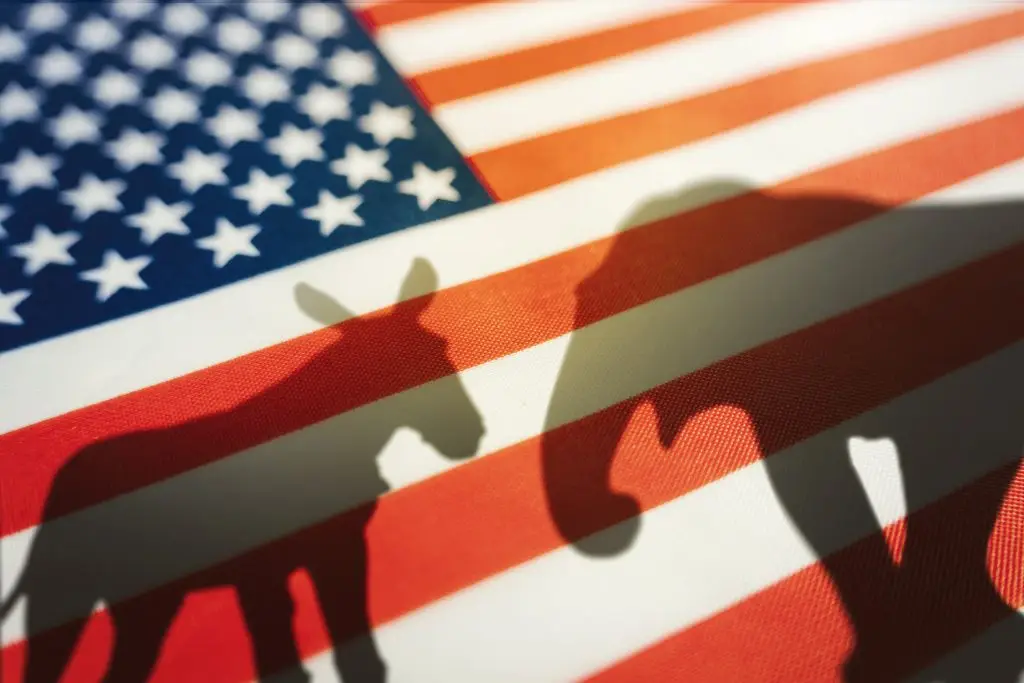
While polling professionals have publicly rejected the Republican “blood bath” narrative that suggests Trump winning swing states by 5 or more points, with many political analysts looking to Trump outperforming his polls in both of his previous presidential campaigns, they do contend that Trump will likely over perform what polls project — they’re just predicting slimmer margins.
The Daily Caller reports:
Current battleground aggregates place the former president even or ahead of Vice President Kamala Harris, bolstering Republicans who argue Trump will once again triumph due to polling error. Furthermore, some have taken to comparing recent polling to numbers from the same time during the 2020 and 2016 cycles, which shows Trump polling significantly ahead of his previous runs for president.
“Is that possible?” he said. “Yes, but I think the likelihood is that he’s just going to overperform by about two or three points… It’s different in 2024, but we see a significant hidden [Trump] vote. We think that the places Trump is most likely to significantly overperform a poll are probably going to be Arizona and Michigan and Georgia.”
Polling is often viewed as a barometer for voter sentiment, but the accuracy of these measurements can vary widely based on how they are conducted, and public polling is often forced to cut corners based on funding. The latest data from Trafalgar and Rasmussen show Trump with a noticeable lead over Harris. Analysts are pointing to potential errors in polling methods that could affect the reliability of these results, though most of them seem to believe polling is still underestimating Trump rather than Harris.
The Daily Caller continues:
Trump is slated to outperform polls in these states, Cahaly argues, because his firm has found that undecided voters are breaking for the former president there. He added that pollsters struggle to capture Trump voters because they need to be “cajoled” into answering polls and assured of their anonymity, fearing social backlash.
Universities and other public pollsters often can’t afford to conduct statewide surveys with large sample sizes, he explained, which forces them to artificially adjust, or “weight,” responses from under or overrepresented demographics — leading to less accurate predictions. Public pollsters also use online surveys, which is less “rigorous” than tactics employed by private firms, he argues.
For instance, weighting techniques—used to adjust the sample to better reflect the population—can significantly impact outcomes. If certain demographics are underrepresented or overrepresented, it has the potential to skew the results, painting a misleading picture of voter support.
The Daily Caller continues:
Though ongoing issues with response bias and overzealous demographic weighting suggest pollsters are still undercounting Trump’s performance, Republicans should temper their expectations. Harris emphasized that response bias diminishes in the weeks leading up to Election Day. He also cautioned against “recall ballot weighting,” where pollsters ask voters about their past votes and adjust their sample based on that information. This approach, he argues, overlooks the fact that “no two electorates are ever the same.”
Head pollster of Rasmussen Reports Mark Mitchell defended the practice in an interview with the Caller, saying, “There’s a ton of reasons in my state polling why Trump is going to outperform. I’m leaning heavily to the recalled vote. That is going to make my numbers less sensitive to low-propensity and first-time voters. And everything we’ve seen tells us that those people are showing up and are raking right.”
The Daily Caller explains:
Recall weighting, Mitchell explained, was actually diminishing what he believes to be the full breadth of Trump’s support in Rasmussen’s polling, adding that the former president would be “up four or five points in the national popular vote” without recall weighting.
For voters, understanding the nuances behind polling data is essential. A snapshot of public opinion can change rapidly, influenced by numerous factors such as economic conditions, social issues, and candidate performance. As the election approaches, voters should remain vigilant and critical of polling data, recognizing its limitations.



















It would be remarkable if Trump won the popular vote nationally, due to overkill in Californicate and other coastal states, where the Republican Party is virtually dead.That would suggest a comfortable Trump victory in the electoral college.