





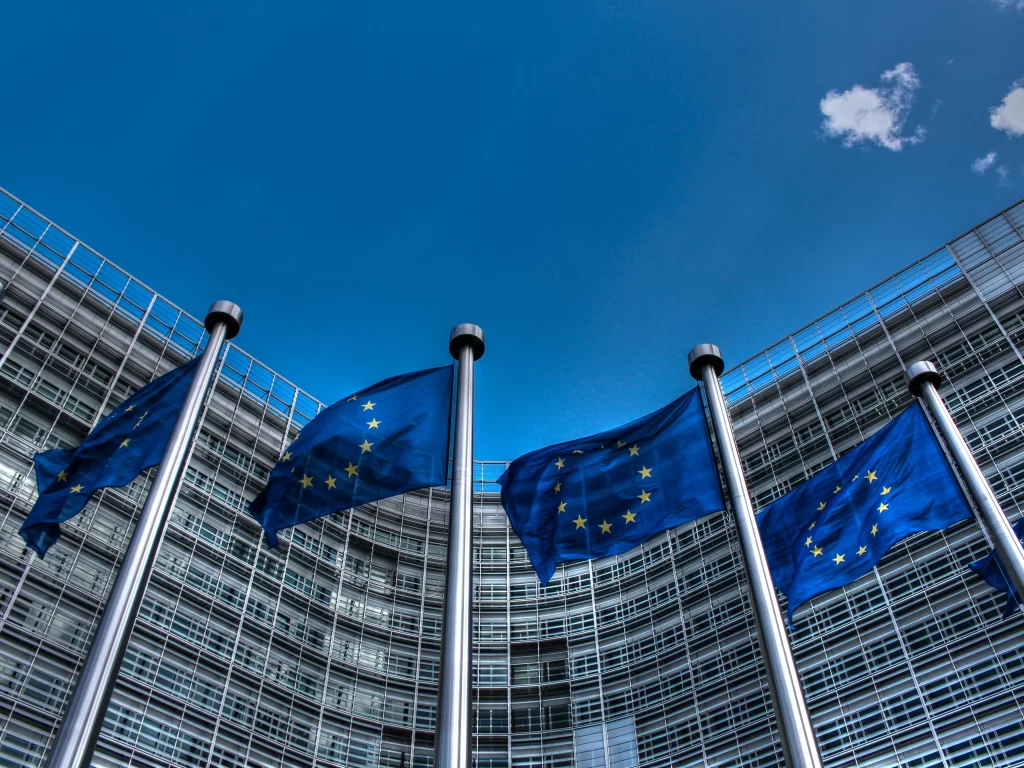
In a significant diplomatic gesture, European Commission President Ursula von der Leyen revealed on Friday that she proposed a potential new energy partnership with President-elect Donald Trump, centered around increasing U.S. exports of liquefied natural gas (LNG) to Europe. According to a report by Barron’s, von der Leyen suggested that the United States could help reduce the European Union’s dependence on Russian energy supplies by ramping up LNG exports to the bloc, particularly in light of the shifting geopolitical landscape.
In her remarks, von der Leyen emphasized that tapping into American LNG could also be explored in the broader context of addressing the EU’s trade deficit with the United States. She stressed that it was essential for Brussels to work with the president-elect on “common interests,” marking a potential new chapter in transatlantic relations under Trump’s upcoming administration.
A Shift Toward U.S. LNG
The idea of shifting European energy reliance away from Russia has been a longstanding concern for EU leaders, particularly since the Russian invasion of Ukraine in 2022. Europe’s dependence on Russian energy has long been a point of vulnerability, leaving the bloc exposed to energy price fluctuations and geopolitical leverage. The war in Ukraine has only exacerbated these concerns, prompting a search for alternative energy sources.
Von der Leyen noted that Europe still receives a significant amount of LNG from Russia, and proposed that American LNG could serve as a more stable and cost-effective alternative. “We still get a lot of LNG from Russia, and why not replace it with American LNG, which is cheaper for us and brings down our energy prices,” von der Leyen told reporters in Budapest, according to Reuters. This shift would not only enhance Europe’s energy security but could also provide an economic benefit by lowering energy costs.
In her comments, von der Leyen did not go into detail on the specifics of the proposal but underscored the potential for broader trade negotiations between the EU and the U.S.
Trump’s Energy Agenda and Trade Relations
The Department of Energy (DOE) under Joe Biden faced criticism earlier this year for halting new approvals for LNG export terminals, as part of their green energy push. Some federal agencies have already signaled resistance to undoing these restrictions, a move that could complicate Trump’s proposed LNG expansion if he takes office in January.
However, Trump has long been a proponent of boosting domestic energy production and ensuring U.S. energy exports can meet global demand. During his previous tenure in office, he oversaw the lifting of restrictions on LNG exports and supported efforts to make the U.S. a leading global energy exporter.
Von der Leyen’s comments, made during her visit to Budapest, signaled that the EU is willing to engage with Trump on these energy and trade issues, despite the potential friction points.
U.S. Tariffs and Economic Policy Under Trump
The proposed LNG discussion also comes at a time when global economic tensions are running high. Several European officials, including those from France and Germany, have already acknowledged that Europe will likely need to spend more on defense in the wake of Trump’s return to office. During his first term, Trump frequently pushed NATO members to increase defense spending, a stance that earned him both praise and criticism from European leaders.
On the U.S. side, many companies are bracing for the return of Trump’s trade policies, which could include the re-imposition of tariffs on imported goods. Trump’s administration enacted significant tariffs on steel and aluminum imports in 2018. In the run-up to the 2024 election, Trump has indicated that he would push for even higher tariffs if American companies move manufacturing overseas.
In particular, Trump threatened to impose a 200% tariff on John Deere tractors if the company moved production out of the U.S., underscoring his commitment to boosting American manufacturing. These economic policies could have significant implications for Europe, particularly as the EU faces its own challenges related to global trade imbalances and competition.
Europe Prepares for a Changing Political Landscape
Trump’s unexpected victory over Vice President Kamala Harris in the 2024 election marks a turning point in both U.S. and global politics. The shift in leadership has already prompted several European leaders to rethink their strategy regarding defense spending, energy independence, and trade relations with the U.S. As Trump prepares for his return to the Oval Office in January, European officials are bracing for the impact of his “America First” agenda.
While the topic of LNG exports is just one area of potential cooperation, it reflects the broader challenges and opportunities that the EU and the U.S. will face in the coming years. With Europe looking to reduce its reliance on Russian energy and address its trade deficits, an expanded partnership with the U.S. on energy could be a crucial step in strengthening transatlantic ties and ensuring mutual security and prosperity.

















At last, Trump can release our country from the stupid energy regulations imposed by those losers, the /democrats.