






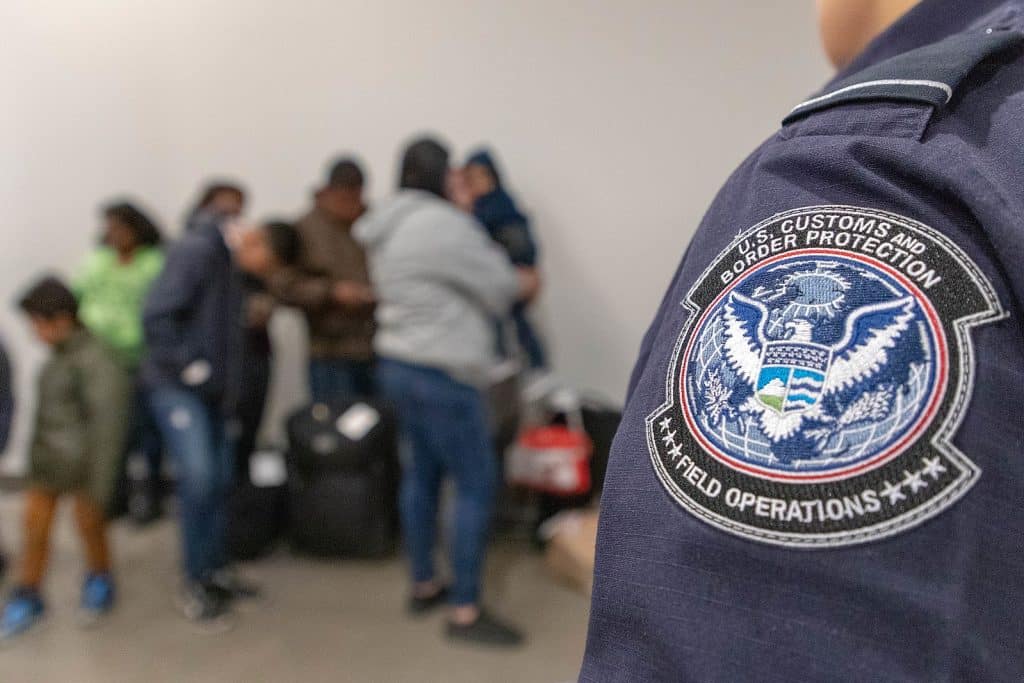
Springfield, Ohio, once home to fewer than 60,000 residents, found itself thrust into the national spotlight in recent months due to a significant influx of Haitian migrants. Over the past few years, between 15,000 to 20,000 Haitians have been settled in the town, bringing it to the national spotlight and to the forefront of the immigration debate. Following Trump’s stunning electoral victory, many of these migrants are leaving in anticipation of his return to office and his promised return to law and order.
Springfield saw a demographic shift as Haitian migrants began to fill jobs in the area’s manufacturing and service sectors. The sudden increase in population brought its own set of challenges. Local residents have voiced concerns about the strain on public services, higher rents, and safety issues, citing an increase in traffic accidents linked to immigrants who may not have experience driving. Local medical and social services have also been overwhelmed, contributing to frustration among long-time residents.
Margery Koveleski, a member of the Haitian Community Alliance (HCA), told The Guardian that the mood in the community has shifted dramatically since Trump’s victory. “People are leaving,” she said, noting that many Haitian families who had settled in Springfield are now fleeing the town. Koveleski explained that, for many, the fear of deportation has prompted them to pack up and leave, often with minimal financial or logistical resources.
Jacob Payen, another leader of the HCA, echoed these sentiments. Payen, who runs a business that helps Haitian migrants with taxes and other services, confirmed that many of his clients had already left or were planning to leave. “People are fully aware of the election result, and that is why they are leaving; they are afraid of a mass deportation,” Payen told The Guardian. He reported that several families had already relocated to cities like New Jersey, Boston, and even Canada.
While some migrants are heading to other cities within the U.S., like Dayton, where they believe they will be less visible to law enforcement, others are considering returning to countries like Brazil, where some had initially sought refuge before moving to the U.S. The exodus is not just limited to Springfield; community leaders report similar trends in other towns and cities with large Haitian populations, especially those where temporary legal protections could be in jeopardy under the incoming administration.
Both President-elect Trump and Vice President-elect JD Vance blasted the federal government for their facilitation of the crisis throughout the campaign. At one point during a debate, Trump repeated claims alleging that Haitian migrants in Springfield were “eating the dogs, the people that came in, they’re eating the cats.”
The situation in Springfield underscores the broader challenges facing towns that have experienced significant demographic shifts due to immigration.























Unfortunately they did NOT flee the country so they are still out there somewhere.