



The Department of Government Efficiency (DOGE) is a long-overdue necessity. For too long, we have tolerated a bloated bureaucracy that wastes taxpayers’ money—money we borrow at the expense of future generations. Elon Musk and Vivek Ramaswamy are leading the charge to bring fiscal sanity to Washington, aiming to cut excess and impose accountability on a sprawling federal apparatus.
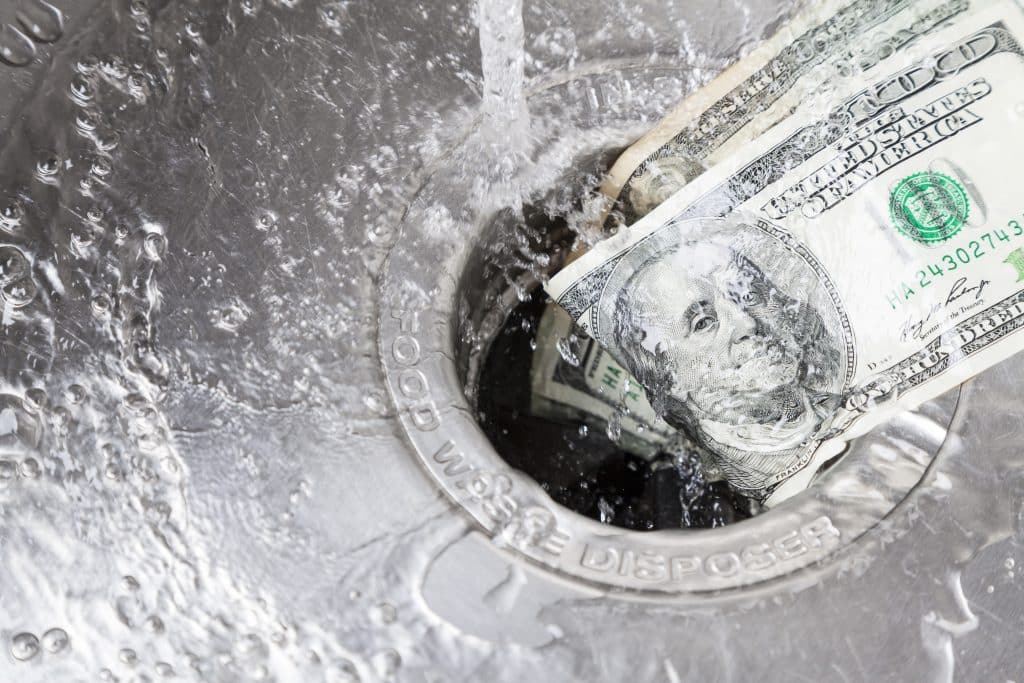
This initiative is critical because government waste is not an occasional hiccup; it’s a systemic issue. Below I detail 64 silly cases of waste that represent just the tip of a massive iceberg. The real issue is that the federal government has become a Titanic headed for disaster, and the American taxpayer is left rearranging deck chairs as the ship takes on water.
- Cocaine and Quail Behavior StudyProgram: NIH-funded research to study the effects of cocaine on quail. Cost: $518,000.
- Luxury Hotel Construction with COVID-19 Relief Funds Program: Broward County, Florida, allocated COVID-19 relief funds for an 800-room luxury hotel. Cost: $140 million.
- Unused Self-Cleaning Toilet Maintenance Program: Maintenance of an unused self-cleaning toilet in Washington, D.C. Cost: $416,789.
- Camouflage Uniforms Mismatch Program: Department of Defense purchased camouflage uniforms unsuitable for Afghanistan’s environment. Cost: $28 million.
- Maintenance of Empty Federal Buildings Program: Annual maintenance costs for unused federal buildings by the General Services Administration. Cost: $1.7 billion annually.
- Staten Island Ferry Subsidies Program: Federal contributions to New York City’s free Staten Island Ferry service. Cost: $70 million.
- Tourism Promotion in Tunisia Program: USAID campaign to boost tourism in Tunisia. Cost: $50 million.
- Cocaine Experiments on Beagle Puppies Program: NIH-funded research administering cocaine to beagle puppies. Cost: $2.3 million.
- Gandhi Museum Construction Program: Construction of a Mahatma Gandhi museum in Houston, Texas. Cost: $3 million.
- Thanos Finger-Snap Feasibility Study Program: National Science Foundation-funded research to study the physics of Thanos’ finger snap. Cost: $118,971.
- Payments to Deceased Individuals Program: Improper disbursement of federal funds to deceased individuals. Cost: $1.3 billion.
- Diversity, Equity, and Inclusion (DEI) Hiring Program: Federal spending on DEI-related positions. Cost: $38.7 million.
- Unemployment and Social Security Payments to Prisoners Program: Improper payments of benefits to incarcerated individuals. Cost: $171 million. Status: Highlights weaknesses in eligibility verification processes.
- Medicaid and Medicare Fraud Program: Fraudulent claims and errors in Medicaid and Medicare. Cost: $101 billion annually. Status: Requires stricter oversight.
- Extravagant Government Travel Program: High-cost travel, such as a $4 million Biden regime trip to Ireland. Cost: $4 million. Status: Raises questions about necessity and cost-effectiveness.
- Weapons for Non-Military Agencies Program: EPA expenditures on weaponry. Cost: $620,000. Status: Raises concerns about the militarization of civilian agencies.
- Tax Delinquencies by IRS Employees Program: IRS employees with unpaid taxes. Cost: $50 million. Status: Undermines the credibility of the tax enforcement agency.
- Research on Russian Cats Program: NIH-funded research on cats walking on treadmills in Russia. Cost: $549,000. Status: Criticized for dubious scientific value.
- Transgender Monkeys Research Program: NIH-funded studies involving transgender monkeys. Cost: $477,000. Status: Debated for its ethics and relevance.
- Drag Shows in Ecuador Program: State Department-funded drag shows in Ecuador. Cost: $20,600. Status: Raises questions about funding priorities.
- Improper Payments in Federal Programs Program: Overpayments, underpayments, and errors in federal disbursements. Cost: $98 billion in fiscal year 2020. Status: Points to systemic inefficiencies in financial oversight.
- Overpayments in Medicare and Medicaid Program: Fraud and administrative errors in Medicare and Medicaid. Cost: Billions annually. Status: Persistent issue requiring reform.
- Unused Military Equipment Program: Department of Defense spending on obsolete or unused equipment. Cost: Billions of dollars. Status: Reflects inefficiencies in defense procurement.
- Excessive Spending on Public Relations Program: Federal spending on PR and advertising campaigns. Cost: $4.5 billion. Status: Raises questions about necessity and return on investment.
- Shrimp on Treadmills Program: National Science Foundation (NSF) funded research to study the effects of exercise on shrimp. Cost: $682,570. Status: Completed; criticized for questionable scientific value.
- Jell-O Wrestling in Antarctica Program: National Science Foundation employees organized a Jell-O wrestling event at a research station. Cost: Undisclosed; involved misuse of government resources. Status: Event led to policy reviews on conduct and resource use.
- Puppetry Training in India Program: U.S. Agency for International Development (USAID) funded a program to train Indian youth in puppetry. Cost: $500,000. Status: Completed; faced scrutiny over relevance to development goals.
- Studying Drunk Birds in Australia Program: National Institutes of Health (NIH) funded research on birds consuming excessive alcohol from fermented fruits. Cost: $5 million. Status: Completed; questioned for its applicability.
- Social Media Monitoring of Congress Program: National Science Foundation funded a project to monitor and analyze social media mentions of members of Congress. Cost: $18,000. Status: Completed; raised concerns about privacy and utility.
- Promotion of American Art in India Program: State Department initiative to promote American contemporary art in India. Cost: $5 million. Status: Ongoing; debated over cultural diplomacy effectiveness.
- NASA’s Mars Menu Development Program: NASA funded research to develop a menu for a potential manned mission to Mars. Cost: $1 million. Status: Ongoing; part of long-term mission planning.
- Unused Airport in Pennsylvania Program: Federal funds allocated to maintain an airport with no commercial flights. Cost: $150 million. Status: Ongoing; criticized for wasteful spending.
- Studying Gambling Monkeys Program: NIH funded research to study gambling behaviors in monkeys. Cost: $3.6 million. Status: Completed; questioned for ethical and practical reasons.
- Promotion of American Music Abroad Program: State Department initiative to send American musicians on international tours. Cost: $1.6 million. Status: Ongoing; debated over cultural impact.
- Studying the Dating Habits of Freshmen Program: NIH funded research on the dating habits of college freshmen. Cost: $1 million. Status: Completed; faced criticism over relevance.
- Promotion of Specialty Cheese Program: Department of Agriculture funded a program to promote specialty cheese consumption. Cost: $1.2 million. Status: Completed; questioned for necessity.
- Studying the Effects of Swedish Massages on Rabbits Program: NIH funded research to study the effects of massages on rabbits. Cost: $387,000. Status: Completed; criticized for questionable scientific value.
- Promotion of American Films in Afghanistan Program: State Department initiative to screen American films in Afghanistan. Cost: $2 million. Status: Completed; debated over cultural sensitivity.
- Studying the Effects of Cocaine on Honeybees Program: NIH funded research to study cocaine’s effects on honeybee behavior. Cost: $242,000. Status: Completed; questioned for ethical and practical reasons.
- Promotion of American Poetry in Russia Program: State Department initiative to promote American poetry in Russia. Cost: $500,000. Status: Completed; debated over cultural diplomacy effectiveness.
- Studying the Effects of Nicotine on Fish Program: NIH funded research to study nicotine’s effects on fish behavior. Cost: $708,000. Status: Completed; criticized for questionable scientific value.
- Promotion of American Fashion in Pakistan Program: State Department initiative to promote American fashion in Pakistan. Cost: $1 million. Status: Completed; debated over cultural sensitivity.
- Studying the Effects of Alcohol on Chinese Prostitutes Program: NIH funded research to study alcohol consumption among Chinese prostitutes. Cost: $2.6 million. Status: Completed; faced criticism over ethical concerns.
- Promotion of American Sports in Iran Program: State Department initiative to introduce and promote American sports in Iran. Cost: $1.5 million. Status: Completed; faced criticism over relevance and impact in a hostile geopolitical environment.
- Studying Romance in the Animal Kingdom Program: National Science Foundation-funded research on mating habits of fruit flies. Cost: $650,000. Status: Completed; questioned for its practical applications.
- The Benefits of Mountain Lions on Treadmills Program: NIH-funded study to observe mountain lion behavior during exercise. Cost: $1 million. Status: Completed; faced public backlash over prioritization.
- Studying the Effects of Beer Pong on College Students Program: NIH-funded research to analyze decision-making during beer pong games. Cost: $300,000. Status: Completed; criticized as frivolous.
- Artificial Intelligence to Study the “Ideal” Cheeseburger Program: Department of Agriculture-funded AI research into the components of a perfect cheeseburger. Cost: $2 million. Status: Ongoing; ridiculed for triviality.
- Social Media Happiness Index for Teenagers Program: NSF-funded study on the relationship between social media use and happiness in teenagers. Cost: $450,000. Status: Completed; criticized for redundant data collection.
- Promotion of Bilingual Theater in Argentina Program: State Department initiative to promote English-Spanish bilingual theater. Cost: $1.8 million. Status: Completed; questioned for cultural effectiveness.
- Studying Duck Penises Program: NSF-funded research into the size and functionality of duck reproductive organs. Cost: $400,000. Status: Completed; widely criticized for irrelevance.
- Studying “Aggressive” Fish in Captivity Program: NIH-funded research on aggressive behaviors in captive fish populations. Cost: $750,000. Status: Completed; questioned for limited applicability.
- Research on Hipster Fashion Trends Program: NSF-funded sociological study on the adoption of hipster culture. Cost: $500,000. Status: Completed; ridiculed as nonessential research.
- Analyzing Political Polarization Using Candy Preferences Program: NSF-funded study using candy consumption to explain political ideologies. Cost: $275,000. Status: Completed; dismissed as trivial and irrelevant.
- Studying How Coffee Spills in Space Program: NASA-funded research to study fluid dynamics of spilled coffee in zero gravity. Cost: $1.3 million. Status: Ongoing; criticized as frivolous.
- Studying the Effects of Gambling on Aging Dogs Program: NIH-funded research on older dogs and their ability to make gambling-like decisions. Cost: $600,000. Status: Completed; debated for relevance.
- Promotion of American Diners in Europe Program: State Department-funded promotion of American-style diners in European cities. Cost: $2.5 million. Status: Completed; criticized for poor alignment with diplomacy goals.
- Analyzing How Selfies Impact Social Behavior Program: NIH-funded research on how selfies influence human interactions and mental health. Cost: $2.2 million. Status: Completed; considered excessive given other priorities.
- Studying Dinosaur Tail Movement Program: NSF-funded research to model and analyze how dinosaur tails moved. Cost: $500,000. Status: Completed; debated for its practical value.
- Promotion of American Tattoos in Asia Program: State Department effort to promote American tattoo art in Asian countries. Cost: $1.2 million. Status: Completed; criticized for lack of clear objectives.
- Studying Why “Hiccups” Happen Program: NIH-funded research into the causes and prevention of hiccups. Cost: $800,000. Status: Completed; deemed a low priority issue.
- Studying the Impact of Bicycle Bells on Pedestrian Safety Program: NSF-funded research into how pedestrians react to bicycle bells. Cost: $400,000. Status: Completed; criticized as overly niche.
- Studying the Effects of Yoga on Workplace Productivity Program: NIH-funded study to measure the impact of yoga sessions on work efficiency. Cost: $1.5 million. Status: Completed; questioned for its practical insights.
- Promotion of American Hot Dogs in South America Program: State Department initiative to promote the consumption of American-style hot dogs. Cost: $2 million. Status: Completed; ridiculed for trivial focus.
Sponsored by the John Milton Freedom Foundation, a nonprofit dedicated to helping independent journalists overcome formidable challenges in today’s media landscape and bring crucial stories to you.
READ NEXT: Top Senators Targeted As Legendary Group Mobilizes Following Cabinet Controversies













Trust me, we are never going to Mars. The technical difficulties outweigh any possible benefits. You would need a band of highly trained scientists and engineers who would not mind a recluse existence for a minimum of 18 months. That reminds me, of the stale boredom of living in Antarctica, for which Jello wrestling is a welcome diversion. I am going to mention what a Navy man told me when he was stationed there many decades ago… the door handles are shaped like male appendages, and when using them you would never know if they were real or fake, until you touch them. That is the level of boredom that exists in Antarctica. After this reveal, one might think twice about eliminating Jello wrestling. Government public relations should be limited to press conferences. The last thing we need to know is how the government lies to us about their “public service” at taxpayer expense. What we need to do is resurrect Senator William Proxmyer who was famous for exposing government waste.