






In a move that has sparked both curiosity and criticism, the University of Maryland has announced the addition of a course titled “Intro to Fat Studies: Fatness, Blackness, and Their Intersections” for the spring semester of 2025. The course will explore fatness as a “social justice issue” and examine how it intersects with race, gender, class, and other “systems of oppression.” Though it will certainly appeal to a select group of people, it raises troubling questions about the state of higher education today. Are universities preparing students for successful careers, or are they prioritizing politically charged identity politics and left-wing social causes?
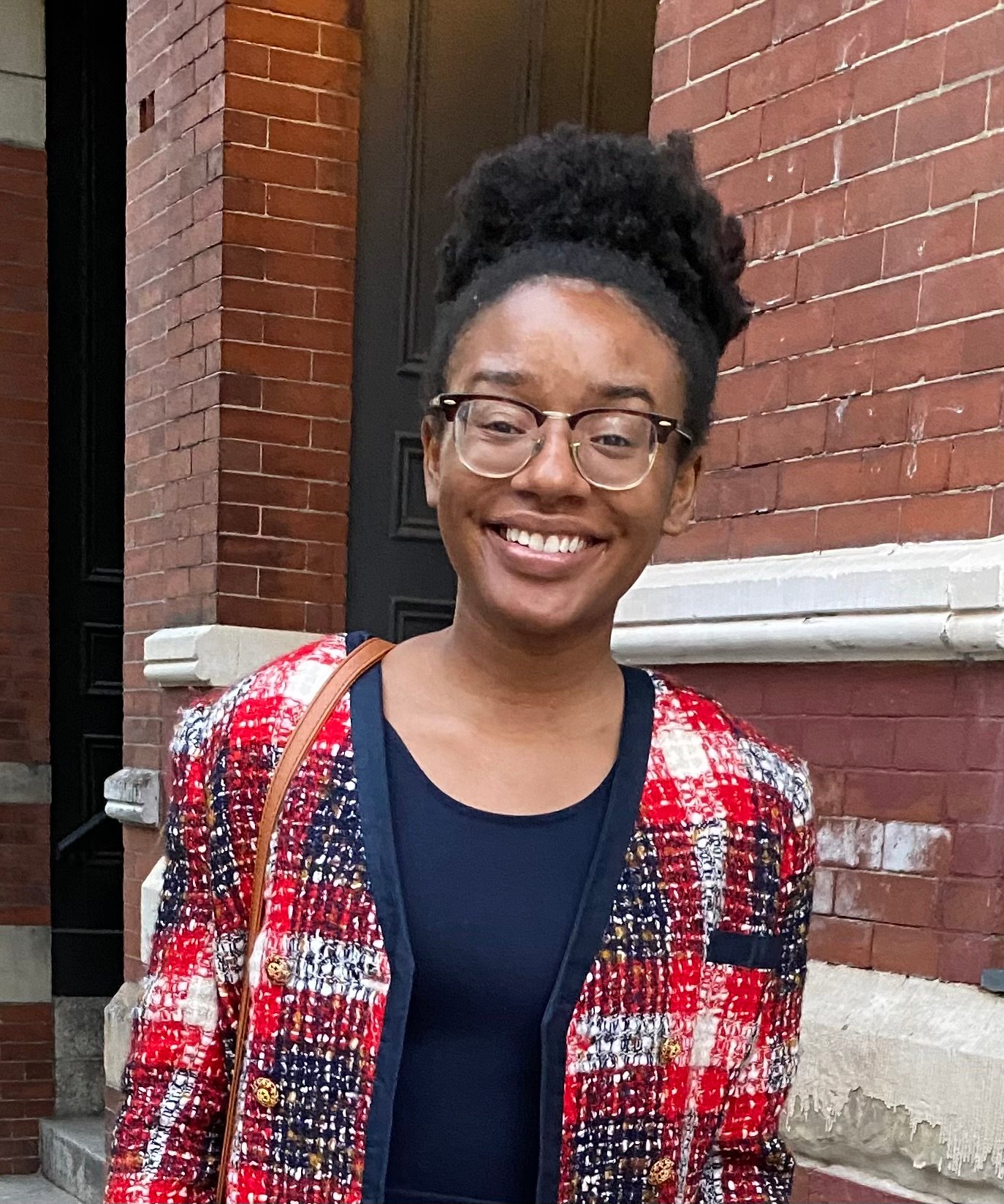
The course description outlines its ambitious goals. It seeks to explore fatness as an area of human difference subject to privilege and discrimination, with particular focus on the relationship between fatness and Blackness. The course will be taught by Professor Sydney Lewis, a senior lecturer in the Harriet Tubman Department of Women, Gender, and Sexuality Studies (WGSS). Lewis’ academic background is heavily rooted in Black feminist theory, queer studies, and intersectionality, and her approach to teaching aims to blend academic scholarship with activism. But for many, the fundamental question remains: what does this course — and others like it — have to do with preparing students for the highly competitive, rapidly-evolving workforce?
The University of Maryland is far from alone in offering courses that focus more on social issues than on practical skills. Across the country, universities are increasingly offering programs that delve into critical race theory, queer theory, fat studies, gender studies, and other similar disciplines.
While there is certainly value in examining societal issues, history, and social justice, the focus on identity politics in higher education often comes at the expense of tangible skills that students need to succeed in the real world.
This trend toward politically charged courses and identity-driven curricula also alienates conservative students, who may feel pressured to conform to progressive ideologies in order to succeed academically. For these students, the focus on activism and left-wing social causes in higher education can create an environment where their perspectives are often dismissed, and their beliefs risk social alienation in addition to academic failure. This not only stifles intellectual diversity but also undermines the core educational mission of fostering open debate and critical thinking. In a system that increasingly values conformity to a particular worldview over the exchange of diverse ideas, conservative students may find themselves disengaged and disillusioned, feeling that their viewpoints are no longer welcome in the academic space.
Another concerning trend is the increasing integration of social justice issues into fields of study that were once considered apolitical or focused solely on technical or professional skills, such as business, pre-med, and pre-law. Today, many universities require students, regardless of their major, to take elective courses that often carry a left-wing bias. This is particularly alarming in pre-med fields, where students are encouraged—or even required—to engage with coursework that explores topics like racial disparities in healthcare and the importance of “gender-affirming care,” rather than being given the full scientific and clinical focus they might need to become skilled healthcare professionals.
The push to incorporate these social justice issues into the basic curriculum risks diluting the quality of education in disciplines where the focus should be on objective knowledge and skills, leaving students with a distorted view of their fields that can hinder their ability to succeed in their industries.






















This is madness. All one needs to do is get rid of the fat-inducing ingredients off the supermarket shelves, namely HFCS, high fructrose corn syrup. Whenever you see a small protruding belly beginning on a young person, you can bet the farm they are consuming HFCS from soft drinks. No doubt RFK is going to cause a huge stir among the food industry power players. All those who will be complaining, are all guilty of screwing with our food, all in the name of “human greed.” I am sure very few readers of this know that HFCS causes the brain to want us to eat more, and at the same time is the cause of a fatty liver. The food industry know this and the very reason why they hire chemists to produce ingredients to make us eat more of what we should not be eating. Personally, I completely avoid the snack aisle altogether, specifically because of those awful ingredients. Baked confectionaries are another one to avoid because of the use of a heavy metal… aluminum, that is tied to dementia and Alzheimer’s, along with the fluoride in the water. Fluoride is a poison, so why do we need it in our water? I know, it is to prevent tooth decay, nonsense. Adding fluoride to our water is a lie and a way for the aluminum industry to dispose of a pollutant. In the early 70s, a dentist provided a $100,000 reward to anyone who could make the case to add fluoride to the water… no takers. Recently, the State of Florida outlawed fluoride in their water, and rightly so. Fluoride has been an issue of controversy for decades, but when one knows the truth, the pundits of fluoride can never win.
Unfortunately, it’s a medical issue that can be mitigated by life style choice.
Maybe a course called ” physcilogical and physiological intro to fatness” would be a course examining the reasons both mental and physical as to why people do not choose to lose / maintain healthy weights and eat healthier foods
Hopelessness, helplessness, lack of resolve, ok with their body size if they are moderately healthy, etc
People are not born fat. Some identify as fast when they aren’t, leading to anorexia, etc over thinking they are not heavy enough and over eating, comfort eating , etc
Unless you are going into health services ( all aspects) sounds like a pointless basket weaving course to me