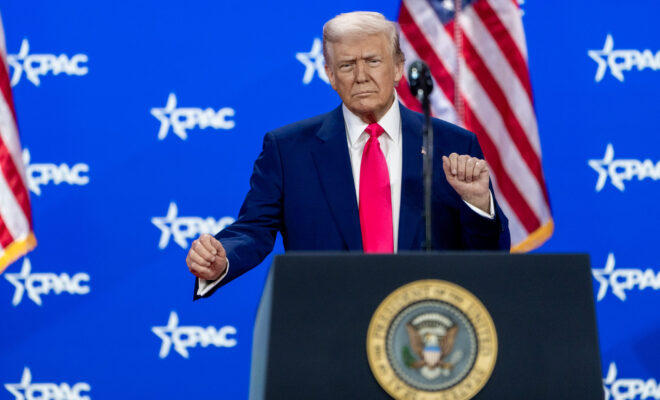



President-elect Donald Trump has pledged to block the $14 billion acquisition of U.S. Steel by Japan’s Nippon Steel, calling it a threat to American industry and national security. The deal, which aims to expand Nippon Steel’s footprint in the U.S. steel market, has already drawn opposition from the Biden administration and a prominent American labor union. But with Trump’s new promise to intervene, it is poised to become a major battleground in the incoming administration’s economic and trade policies.
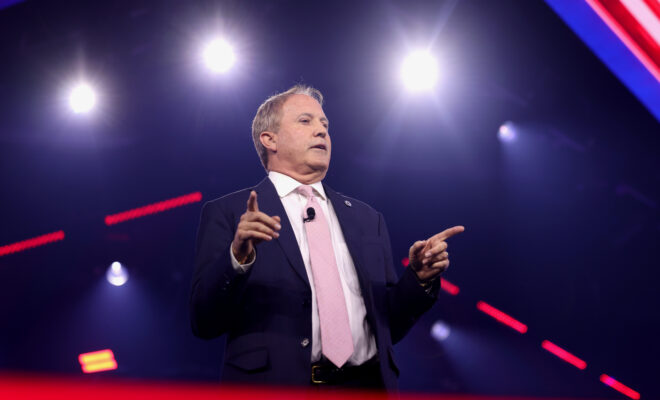
n a post on his Truth Social platform Monday, Trump made it clear that he would leverage a series of tax incentives and tariffs to prevent the deal from going forward.
“I am totally against the once great and powerful U.S. Steel being bought by a foreign company, in this case, Nippon Steel of Japan,” Trump wrote. “Through a series of tax incentives and tariffs, we will make U.S. Steel strong and great again, and it will happen FAST! As President, I will block this deal from happening. Buyer beware!!!”
Trump’s comments come after Nippon Steel, one of Japan’s largest steel producers, announced plans to acquire U.S. Steel, the iconic American manufacturing company known for its critical role in the steel industry. The Japanese company seeks to finalize the deal before Trump’s inauguration on January 20, 2025, but the situation remains in flux as both Trump and Biden have raised significant concerns.
Biden referred the transaction to the Committee on Foreign Investment in the United States (CFIUS), a government panel tasked with reviewing foreign investments for national security risks. The committee’s review is expected to conclude in December 2024, though the panel could extend the timeline if necessary.
This move is a clear indication that the administration views the deal as more than just a corporate merger; there are concerns that the acquisition could have broader implications for U.S. sovereignty and economic independence, particularly given the importance of the steel industry in national defense and infrastructure.
Treasury Secretary Janet Yellen chairs the CFIUS panel, which will determine whether the deal poses a risk to U.S. security or interests. The panel could approve the deal, potentially with conditions to mitigate any national security risks, or it could recommend that President Biden block the transaction entirely.
Despite the obstacles, Nippon Steel remains optimistic that it will be able to complete the deal before the end of the year. The Japanese company has already garnered support from Japanese government officials, including Prime Minister Shigeru Ishiba, who has publicly called on President Biden to approve the purchase.
But the growing opposition from both American officials and labor groups may complicate Nippon Steel’s timeline. U.S. labor unions, which play a pivotal role in the country’s steel sector, have strongly opposed the acquisition, fearing it could lead to job losses, reduced wages, and further erosion of domestic control over critical manufacturing industries.
For Trump, blocking the deal is more than just a business decision—it aligns with his broader “America First” agenda, which seeks to protect American industry and jobs from foreign competition. Trump has made no secret of his desire to revitalize U.S. manufacturing, particularly in the steel and automotive sectors, where foreign competition has undercut American workers for decades.