The holiday season is a time of warmth and togetherness, but Christmas Day has also played host to pivotal events that left lasting marks on American history. Here’s a look at five defining Christmas moments and their lasting impact:
1776 – Washington Crosses the Delaware
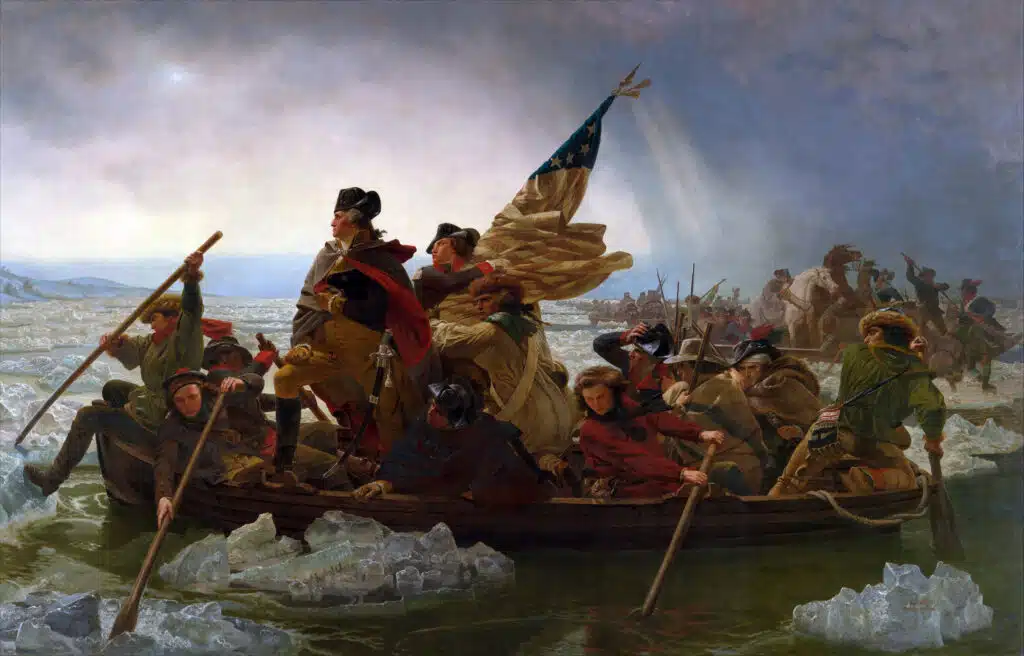
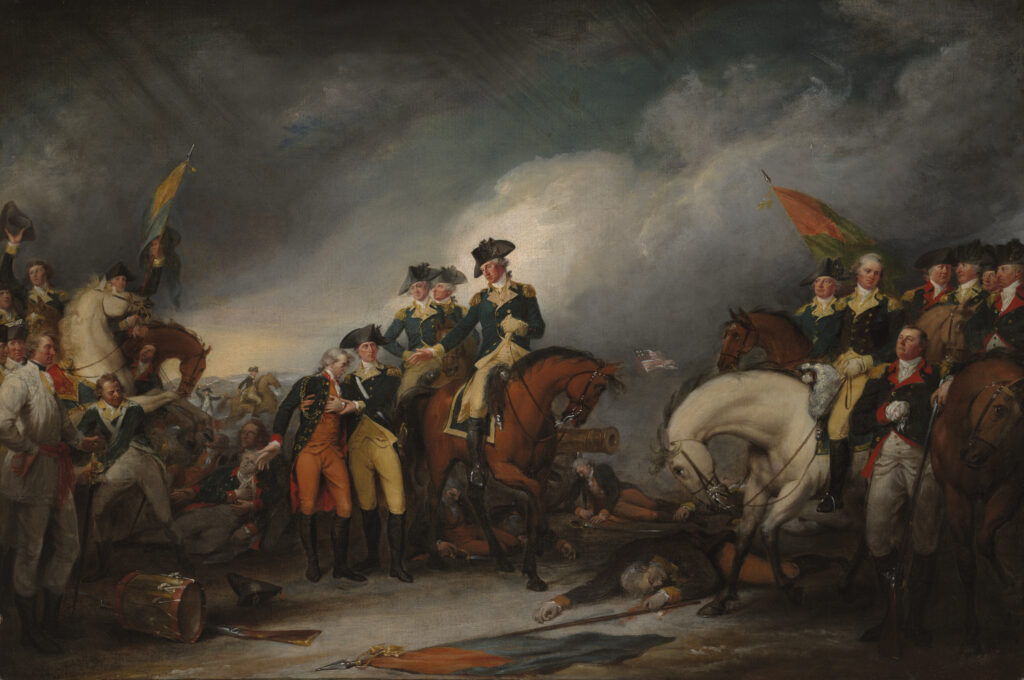
At the brink of defeat in the Revolutionary War, General George Washington led 2,400 troops across the icy Delaware River on Christmas night. The daring maneuver culminated in a surprise attack on Hessian forces in Trenton, New Jersey, early on Dec. 26.
This victory, though small in scale, had enormous implications: it reinvigorated the Continental Army, restored waning morale and convinced many soldiers to reenlist. The success demonstrated Washington’s leadership and strategic brilliance, turning the tide in favor of American independence.
Though Hessian mercenaries were unprepared due to celebrations the night before, this pivotal battle inspired renewed confidence in the Revolutionary cause and set the stage for future victories.
1836 – Alabama Declares Christmas a Legal Holiday

Alabama became the first U.S. state to officially recognize Christmas as a legal holiday, long before it achieved federal status in 1870. Despite America’s strong Christian heritage, Christmas was gradually adopted as a public holiday in the United States for several reasons rooted in cultural, social and political dynamics:
Diverse Religious Beliefs: Early American society was influenced by a mix of religious traditions, including Puritans who discouraged Christmas celebrations due to their association with excess and non-biblical practices. This delayed the holiday’s widespread acceptance.
Commercialization and Secularization: Christmas became more popular as it evolved into a secular, family-oriented celebration. Traditions like gift-giving and decorating trees gained prominence, appealing to broader audiences regardless of religious affiliation.
Immigrant Influence: Immigrants brought Christmas traditions from Europe, such as St. Nicholas and festive customs, which slowly integrated into American culture over time.
Economic Factors: The commercialization of Christmas, especially with the rise of department stores and advertisements, played a significant role in popularizing the holiday as an economic event, appealing to both religious and secular groups.
The U.S. government did not officially recognize Christmas as a national holiday until the late 19th century. It was declared a federal holiday partly to unify the country during Reconstruction after the Civil War.
1896 – Stars and Stripes Forever is Written
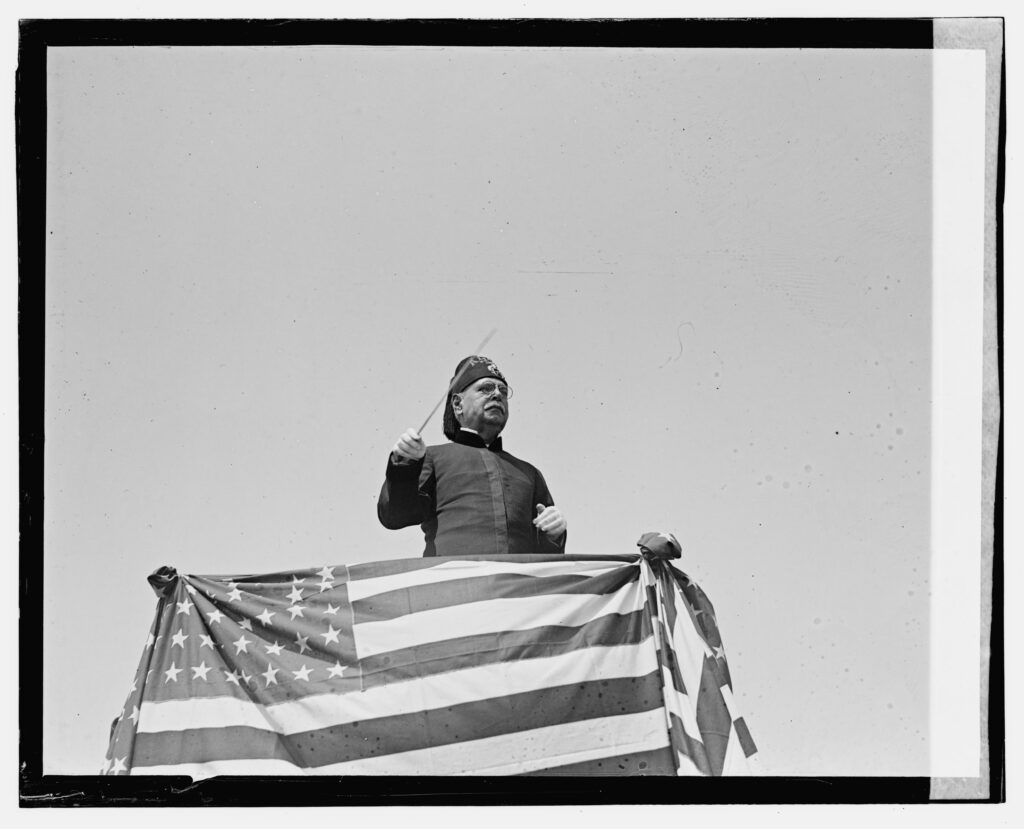
While returning from Europe, a homesick John Philip Sousa composed Stars and Stripes Forever aboard a ship crossing the Atlantic on Christmas Day. Declared the National March of the United States in 1987, it has become an enduring symbol of American pride.
Fun facts: Sousa, often called the “March King,” also invented the sousaphone, toured globally with his band, and authored several novels. Despite his fame, Sousa never forgot his humble roots and remained committed to music education throughout his life.
1944 – Patton Prays for Victory at the Battle of the Bulge
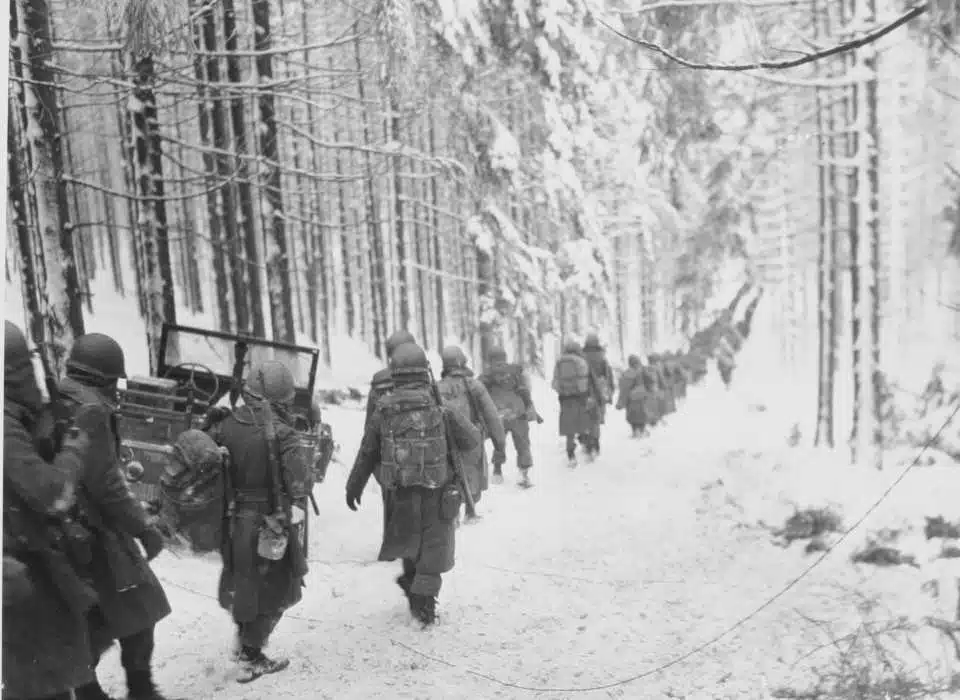
During one of World War II’s fiercest battles, General George S. Patton called for divine intervention to aid the Allied cause. As his Third Army prepared to break the siege of Bastogne, Belgium, Chaplain Rev. Msgr. James Hugh O’Neill penned the now-famous “Weather Prayer” at Patton’s request.
The prayer card distributed to soldiers read:
“Almighty and most merciful Father… Grant us fair weather for Battle.”
Remarkably, six days of clear skies followed, allowing Allied forces to capitalize on their air superiority. The siege was broken, and the German offensive faltered.
Bastogne was critical to Germany’s strategy due to its position at a vital crossroads. Allied air support, once restored, crippled German forces, making their advance toward Antwerp impossible.
1968 – Apollo 8 Orbits the Moon
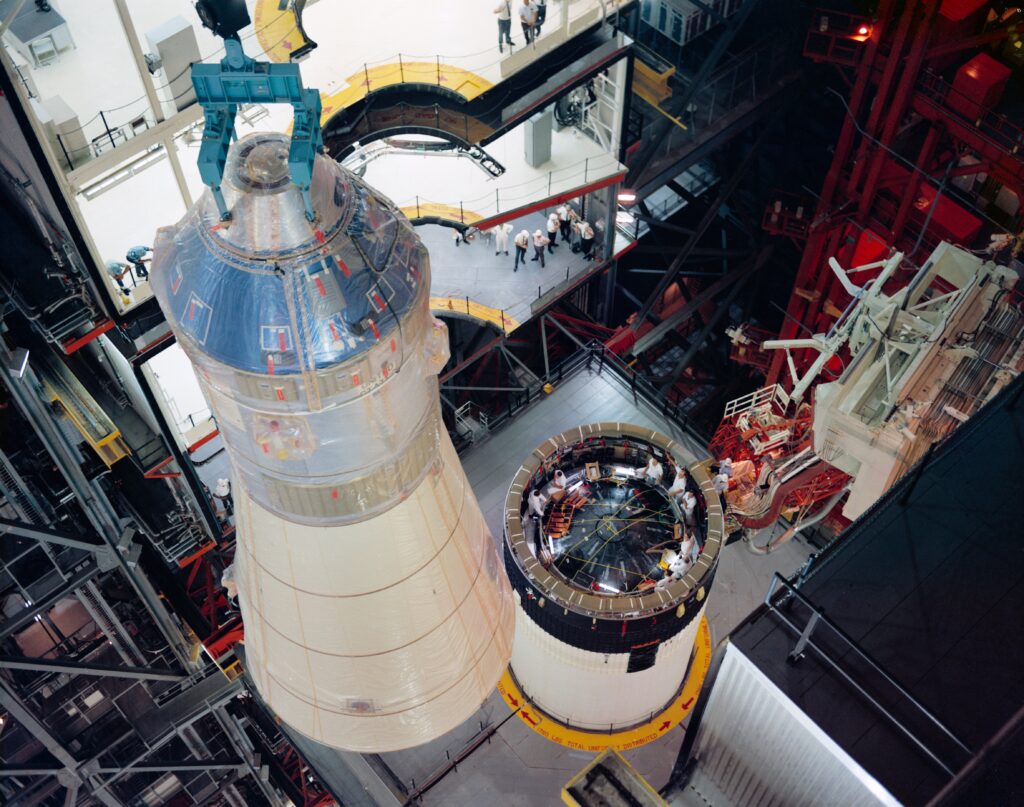
On Christmas Eve, the Apollo 8 crew—Frank Borman, Jim Lovell and William Anders—became the first humans to orbit the moon. Their live broadcast from lunar orbit captivated millions, as they read from the Book of Genesis and shared a heartfelt Christmas message.
The mission was not just symbolic; it demonstrated the feasibility of lunar travel, paving the way for the Apollo 11 moon landing. The iconic “Earthrise” photo, taken during this mission, forever changed humanity’s perspective of our planet.
Apollo 8 validated critical technologies and procedures, ensuring the success of subsequent Apollo missions.
A Closer Look at Patton’s Christmas at Bastogne
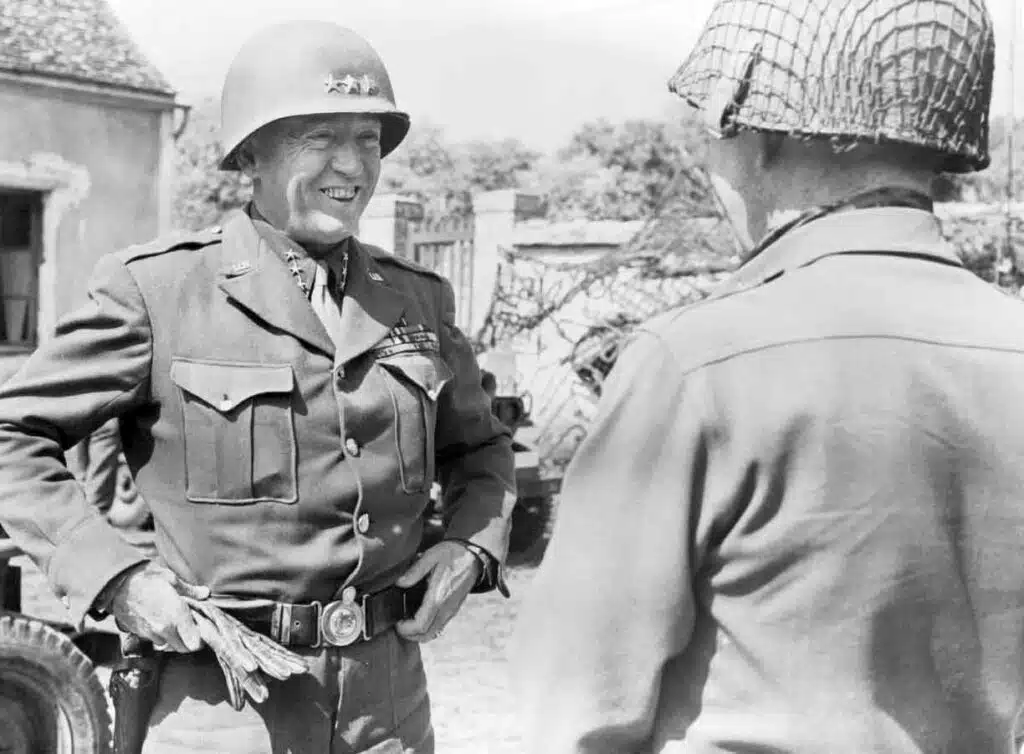
At the height of the Battle of the Bulge, General Patton’s Third Army faced relentless challenges as they raced to relieve the 101st Airborne Division trapped in Bastogne, Belgium. Bastogne, a strategic crossroads, was essential for Germany’s plan to capture Antwerp during their Ardennes Offensive, code-named Wacht am Rhein.
Despite being outnumbered and running low on resources, the 101st held firm, thanks to their courage and determination. The besieged defenders endured freezing temperatures and dwindling supplies until elements of Patton’s army broke through. Could they have held out much longer? Likely not, as their situation had grown increasingly dire, with critical shortages of ammunition and medical supplies.
The Germans initially gained ground due to poor weather, which grounded Allied air forces and masked their movements. However, after the Weather Prayer, skies cleared, and Allied air superiority resumed. The German advance ground to a halt under relentless airstrikes and dwindling fuel supplies.
Through these moments, Christmas has proven to be a time of profound significance—not only for celebrations but also for pivotal events that shaped our world.
READ NEXT: A Healthier Future: RFK’s Revolutionary Quest For Clean Food Starts Here