


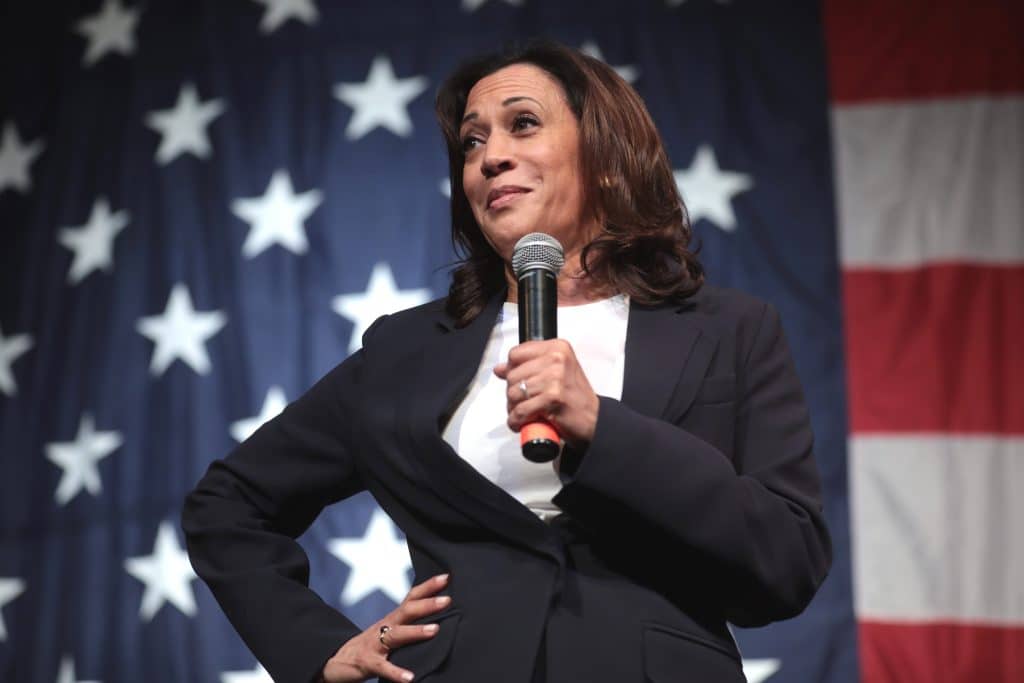
A survey conducted by the Associated Press and the University of Chicago’s nonpartisan National Opinion Research Center revealed that the vast majority of Americans disapprove of the rich and famous broadcasting their political opinions, with just 40% of Democrats supportive of celebrity endorsements, and a dismal 12% of Independents and 11% of Republicans.
While less than half of all Democrats, Independents and Republicans approve of celebrities involving themselves in political campaigns, the gap between Democrats and Republicans and Independents could be explained by the fact that celebrities have a reputation for leaning left, and Democrats being more willing to listen to opinions that align with their own.
Readers may not find this particularly surprising, as Taylor Swift endorsed the Democratic ticket shortly after Harris chose Walz as her running mate, but despite being one of the most popular and influential pop stars in the world, her advocacy showing no meaningful positive impact on their chances of winning. On the contrary, more voters reported they were less likely to vote for Harris directly following her endorsement than for her.
READ NEXT: Taylor Swift’s Endorsement May Have Backfired
Vice President Kamala Harris’s 2024 bid for the presidency ended in devastating defeat, with Trump not only winning a decisive 312 electoral college votes, but the popular vote along with every swing state and both chambers of Congress. In the aftermath of her loss and Democrats still struggling to pick up the pieces, a wide array of explanations have been offered — from blanket accusations of racism and misogyny to blaming George Clooney for forcing out Biden to blaming Taylor Swift for not doing more to help her. Some political experts attributed her loss to an over-reliance on celebrity endorsements and a strategy that alienated more voters than it helped, and according to the polling as well as revelations about what her campaign spent on celebrity engagement, they may be onto something.
A-list names like Lizzo, Robert De Niro, and Leonardo DiCaprio were routinely trotted out for appearances at rallies and events, and while their support was marketed as genuine, it was later revealed that the campaign shelled out tens of millions to many of them — most famously $10 million for Beyonce to give a three minute speech introducing Kamala Harris at a rally in Houston that was deceptively marketed as a free Beyonce concert to fill seats at the venue and give the impression of momentum in a red stronghold, despite the campaign’s polling never indicating she had a shot of winning Texas. While these appealed to segments of the Democratic base, they also alienated a significant number of voters during an election that was decisively driven by economic concerns not shared by the top earners.
Critics argued that the focus on celebrity endorsements distracted from policy debates and failed to provide substantive solutions to the issues Americans were facing, such as inflation, job insecurity, and healthcare costs.
Many voters also noticed the discrepancy between Harris constantly framing herself as a “middle class kid,” claiming she’d “take on the billionaires” while running a campaign that depended on obscenely wealthy actors, singers and athletes. As she continued her celebrity events while avoiding the media and hard hitting questions, she was increasingly viewed as an elitist that didn’t understand or care about the concerns of the average person. With stars from the world of entertainment and sports using their platforms to urge support for Harris, the message was clear: Harris’s campaign was about the wealthy, the famous, and the politically progressive—an image that didn’t resonate with voters following years of economic instability.
Many conservative voters felt that celebrities—who often live in a bubble of privilege—had little understanding of their lives, making their endorsement of Harris seem insincere or out of touch.
In addition to alienating moderate voters, Harris’s campaign was criticized for focusing more on star power than on addressing critical policy issues. While celebrities helped fundraise and turn out votes from the Democratic base, the campaign’s message seemed increasingly shallow, often prioritizing celebrity rallies and appearances over concrete discussions of how Harris planned to address America’s most pressing problems.
Breitbart News reports:
The poll also found that Americans are trying to reduce their media consumption about government and politics, with 65 percent of respondents saying they felt that way due to “information overload, fatigue, or similar reasons” and 50 percent saying they feel the same due to overseas conflicts.
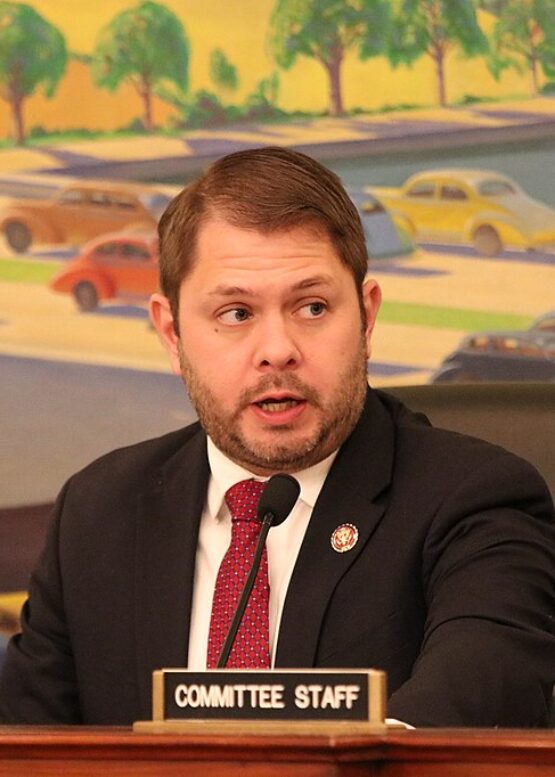














WHY would we have any interest n celebrity politicians who are totally unaware of reality?
They live in a world eons removed from the lives of regular citizens.
They have absolutely NO concept of the trials and tribulations of the everyday citizens.
This was another good article that broadens the information by telling wider truths rather than giving the reporters’ political opinion!
I will be watching for this gal’s byline.
I read yesterday that NY times new owner is insisting on switching to balanced political reporting, not because of some change in party allegiance but because the Democrat paper is in trouble financially. That works!
If we didnt see celebrity opinions, we would never have had such a clear example of stupid to teach children with.