

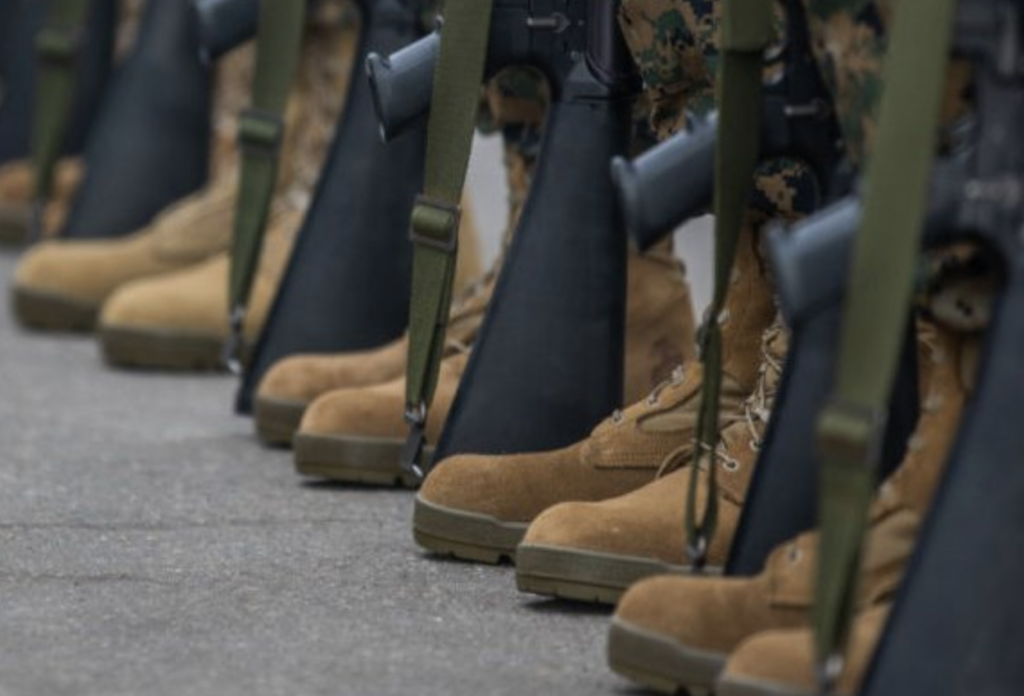
Radicalism within the ranks of the U.S. military has emerged as a persistent and lethal challenge. Since 9/11, over 100 insider jihadist attacks have claimed lives and exposed vulnerabilities, while internal monitoring identified more than 1,200 Muslim soldiers as potential threats by 2021. Despite these alarming realities, a significant shift in military priorities has redirected focus toward white Christian men, broadly labeled extremists for their conservative beliefs. This politically driven reallocation of scrutiny not only neglects a genuine security concern but underscores the dangers of allowing ideological narratives to override evidence-based threat assessments.
The Historical Context of Insider Threats
The grenade attack at Camp Pennsylvania, orchestrated by Sgt. Hasan Akbar, marked a chilling moment in U.S. military history. Motivated by ideological extremism, Akbar’s attack killed two soldiers and injured fourteen others, revealing a deadly vulnerability within our ranks. Similarly, the Fort Hood massacre, perpetrated by Major Nidal Hasan, saw 13 lives lost in an act of terror inspired by radical Islamic teachings and contact with Anwar al-Awlaki. Despite these high-profile cases, the military’s acknowledgment of such risks diminished drastically in recent years.
Pfc. Naser Jason Abdo planned another Fort Hood attack, mirroring Hasan’s tactics. Abdo’s possession of bomb-making materials and jihadist propaganda underscored the persistent threat of radicalized soldiers targeting their comrades. The military’s vigilance at the time allowed for his arrest and prosecution before tragedy struck. Likewise, allegations of a poisoning plot at Fort Jackson highlighted ongoing concerns about internal threats.
A Shift in Focus: From Jihadist Threats to White Conservatives
By 2021, the U.S. military was monitoring over 1,200 Muslim troops flagged for potential radicalization, a figure derived from internal intelligence assessments that highlighted concerns over extremist ideologies potentially compromising unit cohesion and operational security. However, under President Biden’s administration, this effort was abruptly deemed discriminatory and phased out. The administration, along with General Mark Milley, redirected the military’s focus toward “extremism” among white Christian soldiers—particularly Trump supporters. Public declarations painted this demographic as the “greatest threat to America,” a narrative contradicted by both statistical evidence, which shows higher incidents of jihadist attacks and historical precedent, as seen in documented cases like the Fort Hood massacre and the Camp Pennsylvania grenade attack.
This shift culminated in a stark double standard. While Muslim troops espousing extremist ideologies were shielded from scrutiny under the guise of tolerance, Christian soldiers faced baseless accusations and targeted investigations. The case of Trump’s Secretary of Defense appointee, Pete Hegseth, exemplifies this bias. Denied the opportunity to lead efforts to protect the Capitol, Hegseth’s faith and conservative values were wielded against him as disqualifiers, reflecting a broader trend of ideological purging.
The Consequences of Misguided Priorities
The results of this misplaced vigilance are now painfully clear. The ISIS-inspired terror attack by an Army veteran in New Orleans on January 1st, motivated by extremist propaganda, resulted in significant casualties and underscored the persistent threat of radicalization. Adding to this, the recent arrest of a 20-year-old Army soldier for hacking into former President Trump’s phone records and attempting to sell them online demonstrates another dimension of insider threats—the exploitation of access for personal or political gain. Similarly, the Las Vegas suicide bombing by an Army Green Beret highlighted the devastating consequences of ignoring internal warning signs, as the attack raised questions about the adequacy of current monitoring and intervention protocols. These incidents serve as stark reminders that ideological blindness—favoring political correctness over security—endangers lives.
The irony is bitter. In seeking to avoid accusations of bias, the Biden administration’s policies have created a climate where genuine threats are overlooked. Meanwhile, the most patriotic Americans—those “salt of the earth” boys from flyover country who have historically put their lives on the line for their country—have been effectively purged from the ranks. In their place, the military is increasingly filled with woke social justice warriors more concerned about identity politics than national security. This targeting of white Christian conservatives not only sows division but leaves our military ill-equipped to address the realities of modern warfare.
Conclusion
The insider threat is not a relic of the past; it is a present and persistent danger. The prioritization of political narratives over objective assessments has left our military vulnerable, with deadly consequences. History, as exemplified by cases like Akbar, Hasan and Abdo, teaches us the importance of vigilance against radicalism. Yet, under current leadership, these lessons have been ignored in favor of ideological posturing. The path forward requires implementing robust counter-radicalization programs tailored to identify and mitigate insider threats based on evidence, irrespective of identity. This includes enhanced vetting processes, psychological evaluations and continuous monitoring, alongside education initiatives that promote unity and resilience among service members while safeguarding civil liberties.
Sponsored by the John Milton Freedom Foundation, a nonprofit dedicated to helping independent journalists overcome formidable challenges in today’s media landscape and bring crucial stories to you.
READ NEXT: Parents, Beware! Alarming Foreign Secret Behind Popular AI Toy Revealed!











“Under current leadership”, we better pray to GOD that Pete Hegseth is confirmed. Gen. Milley and others need to be prosecuted.