




A recent opinion piece in Salon has sparked significant controversy by linking the MAGA movement and ISIS through the concept of “toxic masculinity.” The essay, titled “Toxic masculinity links the New Orleans attacker and the Las Vegas bomber,” explores the violent actions of two men involved in separate high-profile incidents and argues that both were victims of a cultural and psychological phenomenon that is exacerbated by online echo chambers.
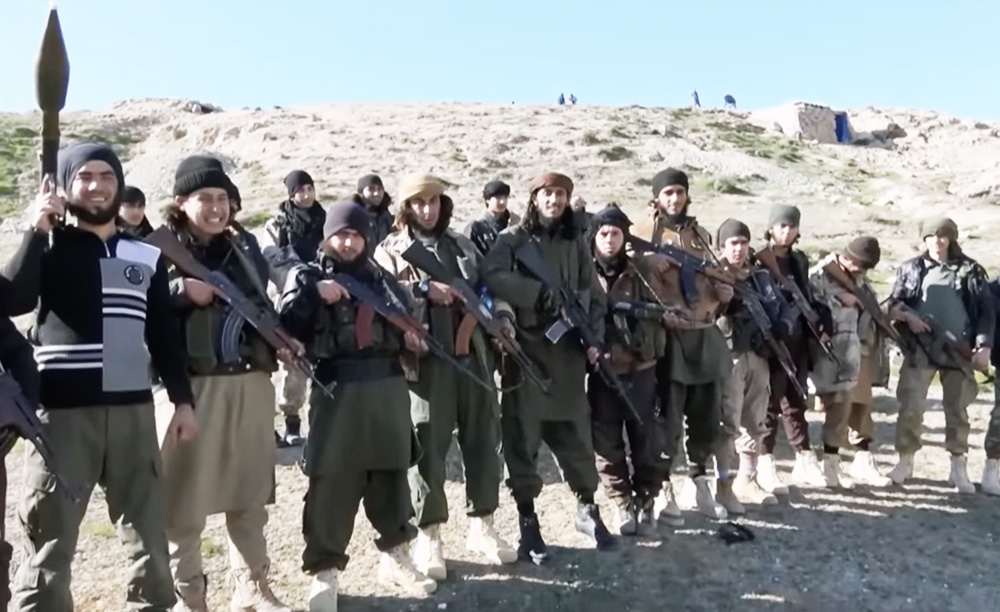
Written by Salon senior writer Amanda Marcotte, the article posits that both supporters of former President Donald Trump and radical Islamic terrorists are drawn to ideologies rooted in “toxic masculinity,” blaming women, minorities, and “woke” culture for their perceived failures. In doing so, Marcotte compares the appeal of MAGA supporters to the appeal of radical groups like ISIS, claiming both recruit disaffected men by offering them a sense of purpose and identity through a distorted vision of masculinity.
Marcotte’s analysis focuses on Shamsud-Din Jabbar, responsible for a mass shooting in New Orleans on New Year’s, and Matthew Livelsberger, a 37-year-old Army service member who allegedly targeted a Trump hotel in Las Vegas. In both cases, Marcotte suggests that the men were driven to violence due to personal struggles, and that their radicalization was fostered by online environments that feed their resentment toward societal norms, especially around gender and race.
The essay argues that these men, struggling with personal and emotional issues, were more likely to embrace violent ideologies because they offered simple explanations for their failures—blaming others rather than confronting their own issues. According to Marcotte, both groups—the MAGA movement and ISIS—offer similar narratives, emphasizing how men, particularly those feeling isolated or emasculated, can reclaim power by engaging in acts of violence or hatred toward perceived enemies.
In her essay, Marcotte fails to acknowledge a key aspect of the broader cultural landscape—namely, how the American left has increasingly been criticized for stoking racial resentment and blaming white people for societal problems. While she argues that “toxic masculinity” is a driving force behind radicalization, she glosses over how elements within left-wing rhetoric also foster division by emphasizing identity politics, victimhood, and racial guilt. Over the past few years, high-profile figures and movements on the left have been accused of focusing heavily on racial grievances and framing white people, particularly white men, as the root cause of societal inequities. This kind of rhetoric, which often vilifies entire groups based on race, can similarly create resentment, deepen societal divisions, and encourage a victim mentality. By overlooking this aspect of the political discourse, Marcotte’s argument misses an important counterpoint.
She goes on to argue that these men are promised a form of empowerment through violence and ideological purity, often reinforcing a skewed version of masculinity that rejects empathy, inclusivity, and self-reflection.
In her analysis, Marcotte also draws parallels between the recruitment tactics of ISIS and groups like the Proud Boys, a right-wing extremist organization that has supported Trump and been involved in violent confrontations. She claims that both ISIS and MAGA are adept at offering men a sense of purpose by aligning their struggles with a larger cause—whether it’s fighting for a self-defined religious ideal or defending what they perceive as American values.
Marcotte’s comparison between ISIS and MAGA has drawn significant backlash from critics who argue that the essay oversimplifies complex social and political issues. Many contend that by focusing on “toxic masculinity,” Marcotte fails to address the broader societal factors that contribute to disconnection, radicalization, and violence. Some critics called the piece “divisive” and “unhinged,” while others accused Marcotte of vilifying traditional masculinity without acknowledging its positive aspects.
Other commentators pointed out the dangers of conflating far-right political movements with global terrorist organizations, arguing that such comparisons diminish the gravity of actual terrorist threats while engaging in partisan finger-pointing. These critics claim that by labeling all forms of conservative expression as linked to extremism, the essay fuels further division and misunderstanding.
READ NEXT: CNN Admits Democrats Have A Masculinity Problem





















This isn’t even close to important. It ought to be ignored so that no one’s life is soiled by reporting about it.
These utter fools are history. No one is listening to you anymore, so just shut up already.