India is actively collaborating with the Trump administration this morning to facilitate the repatriation of all Indian nationals residing in the United States illegally. The move signals India’s broader diplomatic efforts to strengthen ties with the U.S. amidst ongoing discussions on trade and immigration policies.
Strategic Diplomatic Efforts
The government in New Delhi is reportedly motivated by a desire to smooth over trade tensions and protect key visa programs, including H-1B and student visas, which are vital to Indian professionals and students in the U.S. Cooperation on immigration issues is seen as a strategic gesture to reinforce bilateral relations and avert potential conflicts that could harm economic ties.
The Economic Times has additional information:
The two countries have together identified some 18,000 illegal Indian migrants in the US to be sent back home, according to people familiar with the matter. The figure could be much higher than that, though, given it’s unclear how many illegal Indian migrants live in the US, the people added, asking not to be identified because the discussions are private.
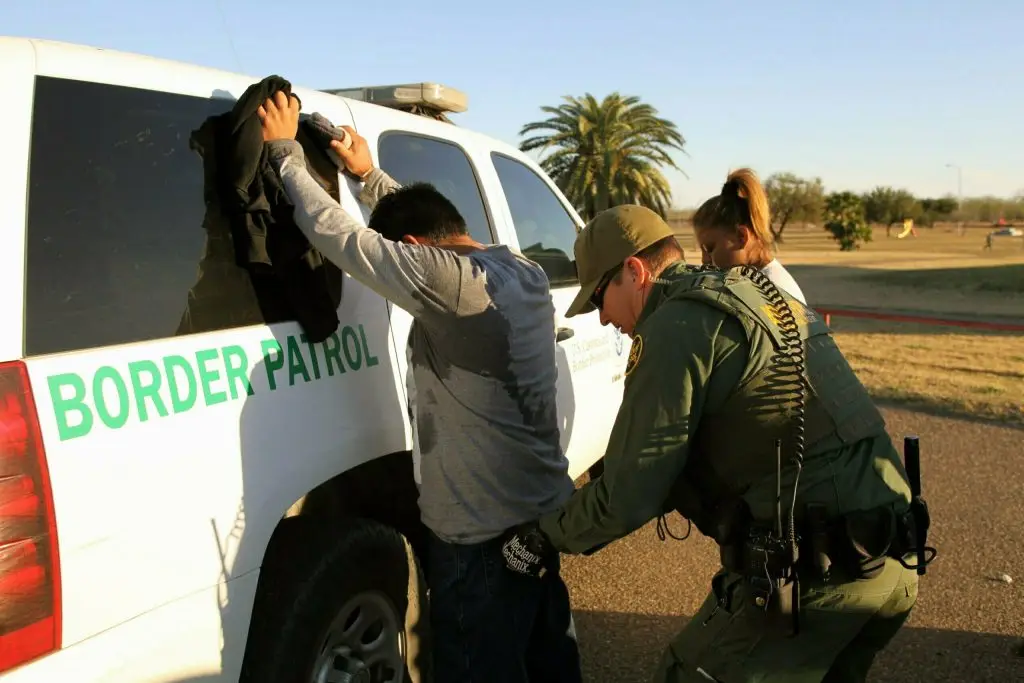
Like several other nations, India is working behind the scenes to appease the Trump administration and avoid the brunt of its trade threats. The crackdown on illegal migration has been a signature campaign pledge for Trump. Within hours of his inauguration Monday, the new president moved to fulfill that pledge as he pushed to end birthright citizenship and mobilize troops on the US-Mexico border.
In return for its cooperation, India hopes that the Trump administration would protect legal immigration channels used by its citizens to enter the US, in particular the student visas and the H-1B program for skilled workers. Indian citizens accounted for almost three-fourths of the 386,000 H-1B visas granted in 2023, according to official data.
Any slack in taking back illegal US migrants could also adversely affect India’s labor and mobility agreements with other countries, the people familiar with the matter said. With a jobs shortage back home, Prime Minister Narendra Modi’s government has signed migration agreements with an array of countries in recent years, including Taiwan, Saudi Arabia, Japan, Israel and others.
This initiative underscores India’s willingness to align with U.S. priorities while pursuing a broader agenda of economic collaboration. Experts view it as a proactive step to mitigate the risk of a trade war between the two nations.
Symbolic Diplomatic Moments
Dr. S. Jaishankar, India’s minister of external affairs, attended the inauguration ceremony of President Donald Trump and Vice President JD Vance at the United States Capitol Rotunda on Monday. His prominent placement in the front row, directly facing President Trump, was interpreted as a powerful symbol of the mutual respect and growing rapport between the two nations.
The seating arrangement was widely discussed in India as a moment of pride for the country, showcasing its elevated diplomatic standing on the global stage. Analysts noted that this symbolic gesture reinforced the importance of the India-U.S. partnership, particularly as the two countries navigate complex issues such as trade, immigration and global security.
A great honour to represent India at the inauguration ceremony of @POTUS President Donald J Trump and @VP Vice President JD Vance in Washington DC today.
— Dr. S. Jaishankar (@DrSJaishankar) January 20, 2025
🇮🇳 🇺🇸 pic.twitter.com/tbmAUbvd1r
Implications for U.S.-India Relations
By taking decisive steps to address illegal immigration, India is signaling its commitment to strengthening ties with the Trump administration. This cooperation could pave the way for smoother negotiations on other contentious issues, including tariffs and market access.
The collaboration reflects a pragmatic approach by the world’s most populous democracy to safeguard its long-term interests in the U.S., particularly for its workforce and students, while contributing to the broader stability of bilateral relations.
The ongoing action reflects the careful balance between working together economically and addressing domestic needs, emphasizing how important diplomacy is for managing global partnerships.
READ NEXT: Trump Single-Handedly Ends Largest FBI Investigation In History