



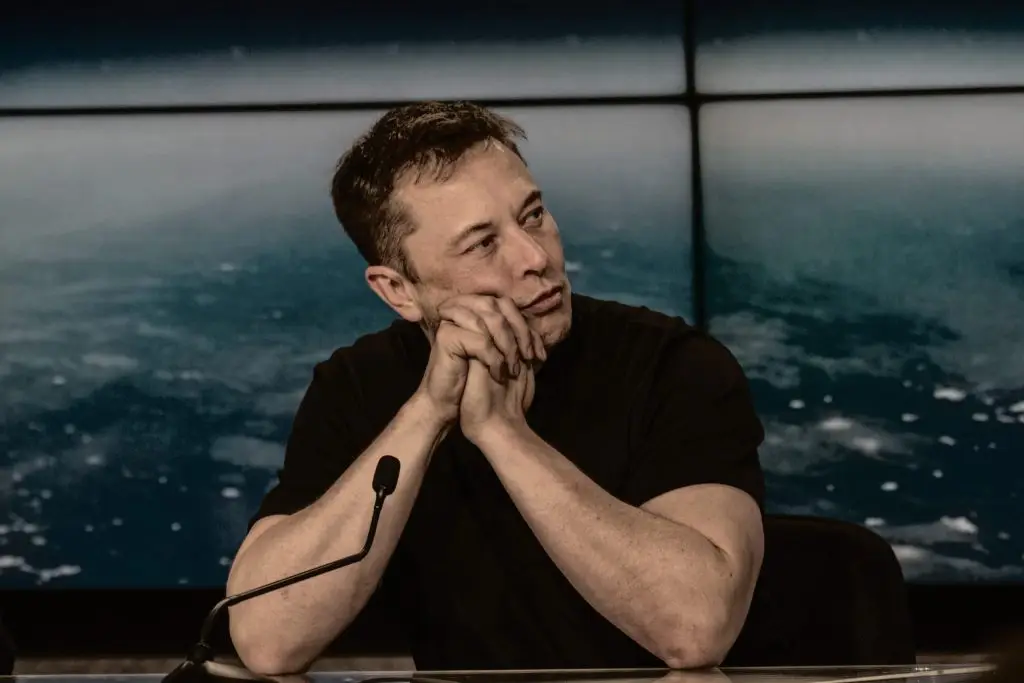
Elon Musk took to X (formerly Twitter) to accuse Senator Todd Young of being a “deep state puppet.” The remark was made in response to a user criticizing Young’s ties to the National Endowment for Democracy (NED), an organization funded by the U.S. government with the stated purpose of promoting democracy abroad. The user questioned Young’s potential conflict of interest, particularly as he was slated to vote on Tulsi Gabbard’s confirmation as Director of National Intelligence (DNI).
Musk’s post came shortly after a tense Senate Intelligence Committee hearing in which Young questioned Gabbard, a former congresswoman from Hawaii, about her stance on national security issues. In particular, Young pressed Gabbard on her views regarding Edward Snowden, the former NSA contractor who leaked classified documents in 2013, and whether she would take a firm stance on preventing similar leaks in the future. The questioning raised eyebrows, with some interpreting it as a sign that Young might be leaning against Gabbard’s nomination, though he had not publicly stated a position.
At one point, Young asked Gabbard if she would acknowledge that Snowden “harmed national security” by leaking sensitive information. The senator’s tone suggested that he was skeptical of Gabbard’s ability to handle intelligence matters, especially given her past criticisms of the intelligence community.
The tweet was quickly deleted, but not before it captured the attention of many on social media. Critics immediately speculated that Musk’s comments could complicate Gabbard’s chances of getting the support she needed from Young, who has a reputation for being a moderate within the GOP.
In a follow-up post just two hours later, he praised Senator Young, claiming that he had just had an “excellent conversation” with the senator. Musk went on to say, “I stand corrected. Senator Young will be a great ally in restoring power to the people from the vast, unelected bureaucracy.”
This sudden change in tune left many wondering what prompted Musk’s swift reversal. Musk has been known for his unpredictable online persona and bold political statements, but the drastic change in opinion raised eyebrows, especially given the scathing and accusatory nature of his initial criticism. Was this a case of a misstep on Musk’s part, or a calculated pivot after some behind-the-scenes discussions?
According to a spokesperson for Young, the two had a productive discussion on several subjects, and Musk now views Young as a valuable ally in efforts to curb the power of unelected bureaucrats in Washington.
This is far from Musk’s first online controversy. In December, he found himself in the middle of a heated debate over H1-B visas, in which he told critics of the program to “F*** YOURSELF in the face. I will go to war on this issue the likes of which you cannot possibly comprehend.” Shortly after, Trump demanded incoming members of his administration refrain from posting on social media without approval, though it’s unclear how strictly that was enforced.
READ NEXT: Elon Musk Demonetizes Dissenters On X

















Young asked a sensible sounding question. Gabbard concerned about trick questions and ‘wrong’ words gave non-committal answers. Where’s the line between calling someone a ‘traitor’ and blowing a whistle? Musk dived in and shot off his mouth. Within two hours he apologised. He thought the Senator was trying to trap Gabbard. Gabbard wasn’t sure. Credit to the Senator for talking to Musk. Credit to Musk for apologising. Musk has learnt a lesson. Being dogmatic and quickly responding is good when you are right, a disaster when you are wrong.