

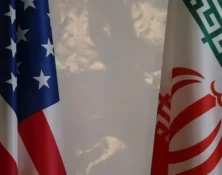




Panama has revealed its decision to withdraw from China’s Belt and Road Initiative (BRI), marking a significant shift in policy following Secretary of State Marco Rubio’s weekend visit.
The announcement came after Rubio’s meeting with Panamanian President José Raúl Mulino, where he emphasized the need to reduce Chinese influence over the Panama Canal.
Rubio warned that if Panama failed to curb Beijing’s control, the U.S. could take action under existing treaties to protect its strategic interests in the region.
In response, Mulino stated that his administration would not renew its 2017 memorandum of understanding with China when it expires in the next year or two and is considering options to terminate the agreement even sooner.
U.S. Pressure to Curb Chinese Influence
The diplomatic maneuver aligns with U.S. efforts to curtail China’s presence in America’s backyard. President Donald Trump has unequivocally pushed Panama to reduce its ties with China, and the visit from his secretary of state firmly reinforced this critical message.
The Washington Free Beacon provides further details on Mulino’s response to Rubio’s insistence that the Chinese Communist Party (CCP) cannot maintain its growing control over the Panama Canal area:
Mulino, speaking to reporters on Sunday after Rubio’s first foreign trip as America’s top diplomat, said he believes the agreement is due for renewal in a year or two. He said he would study “whether it can be finished earlier or not.”
The President of Panama, José Raúl Mulino has announced that following his meeting yesterday with U.S. Secretary of State Marco Rubio, Panama has decided not to renew its 2017 Memo with China, regarding their “Belt and Road Initiative” and that they will look towards voiding… pic.twitter.com/nzRAyIpdza
— OSINTdefender (@sentdefender) February 2, 2025
The news is a blow to Beijing, which views Panama as critical to its foreign influence efforts in the Western Hemisphere. Chinese businesses operate ports near the Panama Canal, which the United States owned and operated until moving control to Panama in 1999.
Following his meeting with Mulino, Rubio said the United States “cannot, and will not, allow the Chinese Communist Party to continue with its effective and growing control over the Panama Canal area.”
Brazil also considered joining the Belt and Road Initiative late last year, signaling a desire to align with the Chinese Communist Party. The country abandoned those plans soon after, however, with officials expressing fear about signing long-term agreements with Beijing. In late 2023, meanwhile, Italy became the first European nation to exit the initiative, arguing that the deal did little to boost the country’s exports to China.
China’s Belt and Road: A Global Power Play
The BRI, launched in 2013 by Chinese President Xi Jinping, aims to expand China’s global reach through infrastructure development. Originally focused on linking East Asia and Europe, the BRI has since expanded to Africa, Latin America and Oceania, increasing China’s economic and geopolitical influence.
Panama was the first Latin American country to join the initiative in 2017, shortly after severing diplomatic ties with Taiwan.
While Beijing presents the BRI as an opportunity for countries to secure large-scale infrastructure financing, these loans come with significant political strings attached. When developing nations struggle to repay, China gains control over strategic assets—ports, railways and natural resources—expanding its global reach.
One of the clearest examples is Sri Lanka’s Hambantota Port, which China took over on a 99-year lease after Sri Lanka failed to meet its debt obligations.
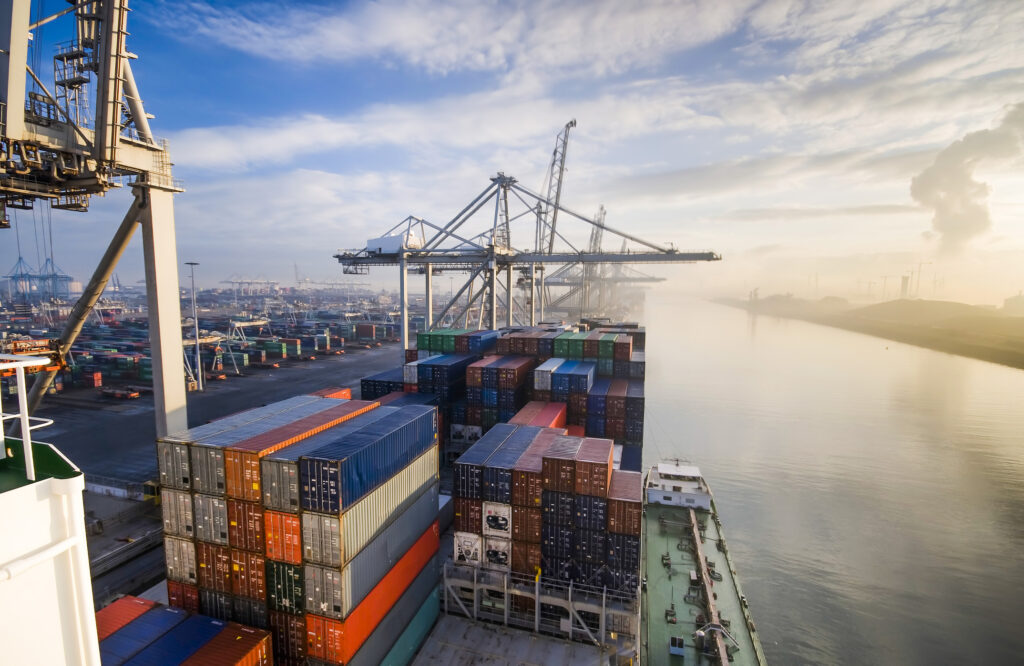
Beyond economics, China is using the BRI to secure a foothold in key strategic regions, developing dual-use infrastructure—projects that ostensibly appear civilian but have potential military applications.
Experts suspect Pakistan’s Gwadar Port, a major BRI project, serves both economic and military interests. Similar concerns exist regarding Chinese-built railways, highways and digital networks, which could be repurposed for strategic operations.
The BRI also gives China outsized control over global supply chains, from rare earth minerals to telecommunications infrastructure.
As China tightens its grip on critical industries, the risks of espionage, data security breaches and economic coercion continue to grow.
However, Sunday’s announcement signals a major geopolitical shift, as the U.S. pushes back against China’s expanding influence in the Western Hemisphere.
By withdrawing from the BRI, Panama may inspire other countries to rethink their involvement in Beijing’s dubious infrastructure proposals.
READ NEXT: Republican Leader Abandons Legal Battle, Announces Political Exit



















THINK ABOUT THIS SCENARIO! JUST BEFORE THE CCP INVADES TAIWAN, THE CCP IN THE CANAL SHUTS IT DOWN TO ANY TRAFFIC!!! WE AND OTHERS WOULD NOT BE ABLE TO ACCESS THE PACIFIC TO AID TAIWAN TO STOP THE CCP!!! JUST THINK ABOUT IT!!!
America First
No longer last.
The Globalist Establishment Elites lost the 2024 Election
MAGA