




Thousands are at risk…
Ukrainian forces operating in Russia’s Kursk region are facing a chaotic battlefield situation, with thousands of troops at risk of encirclement as Russian forces push forward in their counteroffensive. Moscow’s latest push comes amid intensified military operations to reclaim lost territory and secure a strategic edge in the conflict—just as the Trump administration scrambles to broker an end to the war.
The 2024 Kursk Offensive and Current Standoff
In August 2024, Ukrainian forces launched a surprise cross-border offensive into Russia’s Kursk Oblast, seizing approximately 1,000 square kilometers—marking the first foreign military incursion onto Russian soil since World War II. The operation centered around the town of Sudzha, where Ukrainian troops established a defensive salient designed to pressure Moscow and force Russian commanders to divert resources from other fronts.
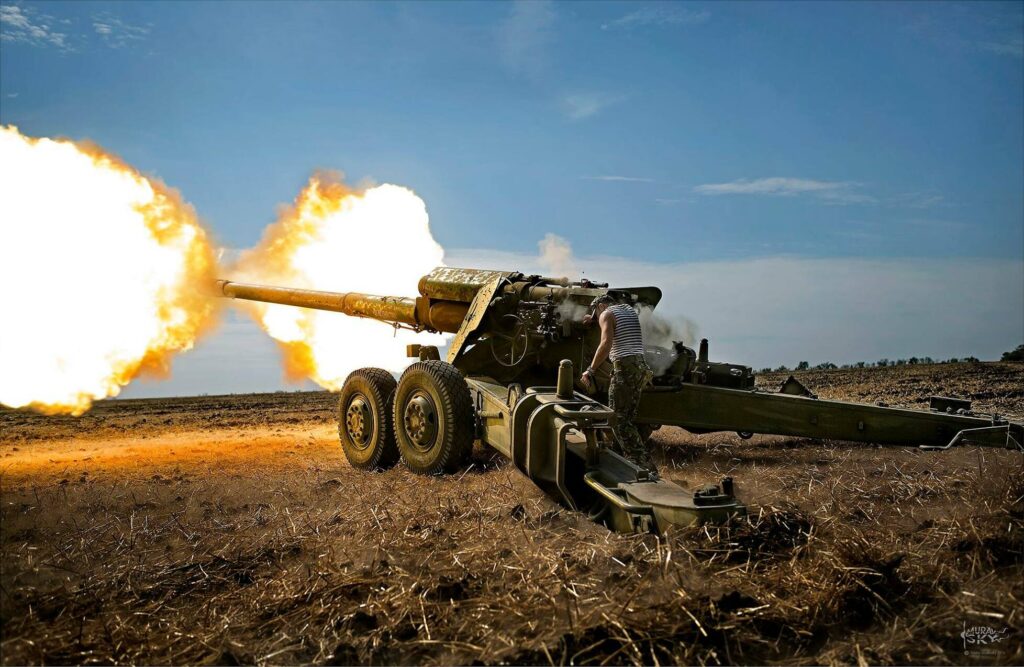
However, in recent weeks, Russian forces have intensified their counterattacks, reclaiming key settlements such as Lebedevka and Konstyantynopil. These gains have placed significant strain on Ukrainian supply lines, restricting access to ammunition, fuel and reinforcements. Reports indicate that all bridges near Sudzha have been destroyed, further isolating Ukrainian troops and making sustained resistance increasingly difficult.
Russian Forces Utilize Tunnel Warfare
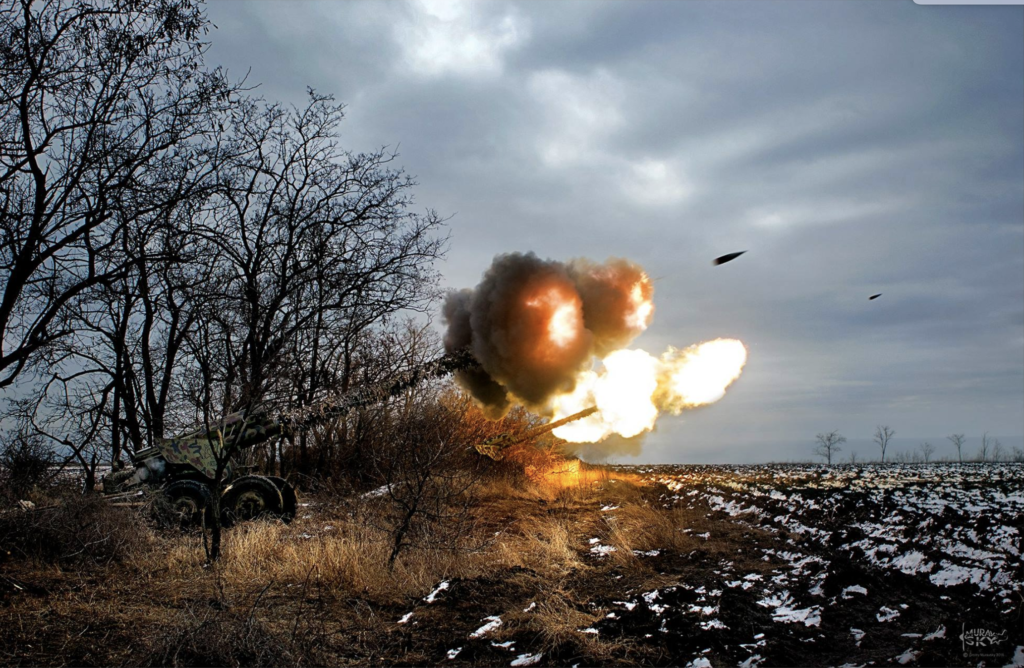
One of the most dramatic developments occurred Saturday, when an estimated 80–100 Russian special forces attempted a covert infiltration of Ukrainian positions via underground tunnels linked to a gas pipeline. The operation sought to catch Ukrainian defenders off guard near Sudzha. However, Ukrainian forces detected the movement and responded decisively with drones, artillery and cluster munitions.
The entire Russian infiltration unit was reportedly neutralized, with some troops succumbing to suffocation inside the tunnels before reaching their objective. The failed operation mirrored tactics successfully used by Russian forces in the Battle of Avdiivka earlier in the war, but this time, the execution was rushed and easily countered.
The Growing Challenge for Ukraine
Despite successfully repelling the tunnel assault, Ukrainian troops describe the overall situation in Kursk as “critical.” With logistical routes compromised and dwindling supplies, military analysts warn that Kyiv’s forces could soon struggle to hold their positions.
The original goal of Ukraine’s Kursk operation—to pressure Moscow and divert Russian forces—is now at risk of backfiring, potentially turning into a costly strategic mistake, as The Times (U.K.) explains:
Estimates suggested that between 4,000 and 10,000 Ukrainian soldiers were now at risk of encirclement, while Russia’s military presence in the Kursk region had grown to about 50,000 troops.
The Kremlin is pushing for the complete recapture of Kursk before the start of ceasefire negotiations pursued by President Trump, according to a Russian foreign ministry official engaged in preparations for the talks, speaking anonymously.
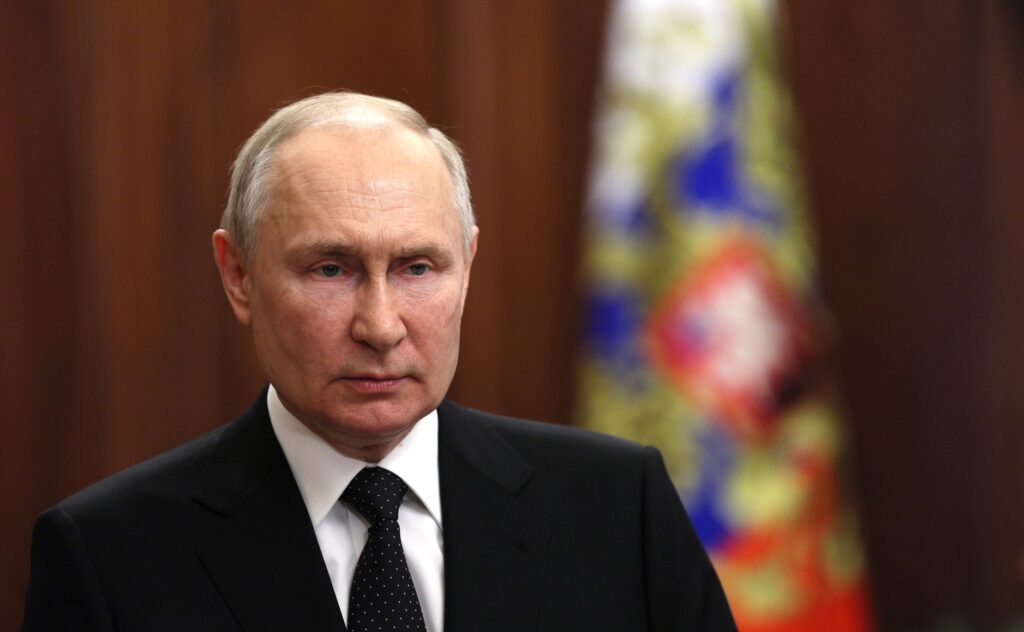
A Russian diplomat said: “Our military has been ordered to expel Ukrainian forces from the Kursk region as soon as possible and seize more ground elsewhere, no matter the cost.”
On Sunday, the Russian defence ministry claimed its forces had retaken four different villages in the Kursk region.
Both sides continue to sustain heavy losses, with reports claiming 350 Ukrainian soldiers have been killed in the last 24 hours alone.
U.S. Military Aid and Diplomatic Developments
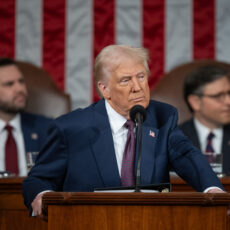
Complicating Ukraine’s position further, the United States recently suspended military aid following last month’s highly-publicized dispute between President Trump and President Zelensky. The Trump administration’s decision has raised fresh concerns about Ukraine’s ability to sustain operations against Russia’s larger, more resource-abundant military forces.
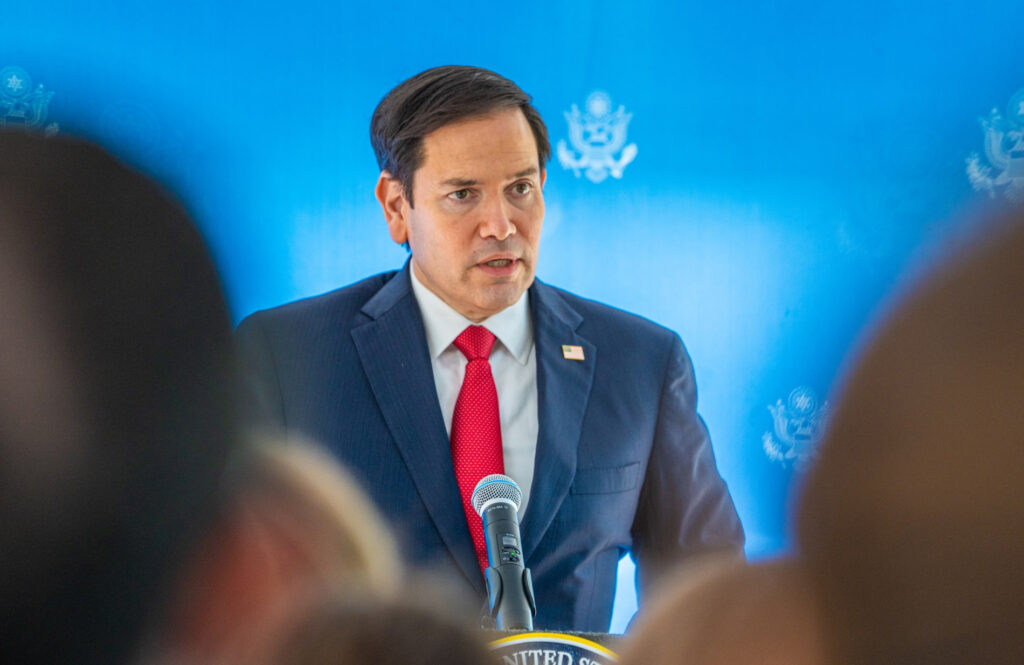
In an effort to establish diplomatic alternatives, U.S. Secretary of State Marco Rubio is traveling to Saudi Arabia today for high-level negotiations aimed at securing a peace agreement and ceasefire in Ukraine. The talks, scheduled for Tuesday in Jeddah, mark the most significant U.S.-Ukraine diplomatic engagement since the contentious Feb. 28 meeting between Trump and Zelensky.
The Jeddah discussions will assess Ukraine’s willingness to enter serious peace negotiations and explore potential concessions to Russia. Secretary Rubio will be joined by National Security Adviser Mike Waltz and Special Envoy Steve Witkoff, with a primary focus on determining steps to restore U.S. support and establish a framework for stability.
President Zelensky, who has already arrived in Saudi Arabia, is expected to propose a partial ceasefire, particularly concerning long-range drone and missile strikes as well as combat operations in the Black Sea. Ukraine’s delegation will push for security guarantees and resources to defend against future aggression while stressing the importance of a durable peace agreement.
The Road Ahead
While European nations are not directly involved in the Jeddah negotiations, they remain on high alert, reinforcing defenses amid continued concerns about Russian expansionism.
Meanwhile, on the battlefield, the situation in Kursk remains fluid. Ukrainian forces are engaged in fierce combat as they attempt to stabilize their positions. The next several days will be critical in determining whether Ukraine can withstand the Russian advance or if Moscow succeeds in encircling and potentially forcing a Ukrainian withdrawal from the region.
READ NEXT: Rubio’s Drastic Foreign Aid Cuts Impact Nearly All Initiatives













This war never would had happened if it wasn’t for Obiden. It’s needless. And of course Zelensky is in Saudi Arabia, always flitting around begging for money instead of being in the Ukraine. He’s a coward, a latch and a menace to the Ukraine.
If Russia was in your backyard, outnumbering and outgunning you, you would be begging for money for weapons, ammunition, and supplies, too. President Zelensky refuses to hand over 25% of Ukraine to Russia just to get a temporary peace deal; he and the rest of the Ukrainian populace want Russia out of Ukraine.
Why should Ukraine have to make any concessions to Russia? Putin should be tried for war crimes as an instigator of war.
Agreed. How can some say that President Zelensky is “refusing to end the war,” when it was Russia that invaded Ukraine, not vice versa. The burden to end the war is on Russia because they are the aggressors, not Ukraine. But I guess the real reason for this misplaced blame is that most people are much more afraid of Russia than they are of Ukraine; they would rather make Ukraine mad, than Russia mad.
Why doesn’t someone take out Putin!?
He’s an evil man who doesn’t deserve to remain among the living.
We’re encircled. We’ve got em right where we want em. Fire at will in all directions.