


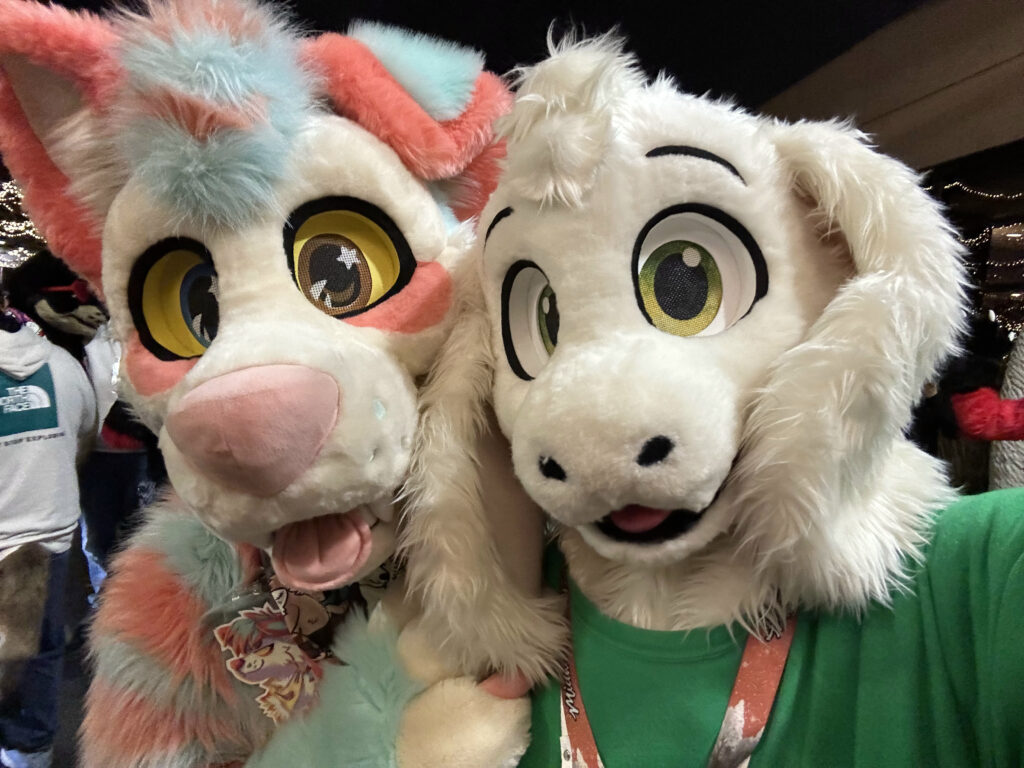
Texas lawmakers are moving forward with a bill to curb “non-human behavior” in public schools. Dubbed the FURRIES Act, the legislation seeks to ban students from engaging in behaviors commonly associated with the furry community, such as barking, meowing, and wearing costumes resembling animals. The bill, introduced by Republican Rep. Stan Gerdes and backed by Governor Greg Abbott, would apply to all public schools in Texas, with the goal of keeping the focus on traditional education and reducing distractions.
The proposal, formally titled the “Forbidden Unlawful Representation of Roleplaying in Education” Act, targets specific practices, including the wearing of fur, tails, and leashes, as well as behaviors like licking and using litter boxes. While some of these actions have been sensationalized in recent years—especially the false claims of litter boxes being provided for students in schools—Rep. Gerdes is determined to address what he sees as a growing distraction in the classroom environment.
In a social media post, Gerdes made his intention clear: “No distractions. No theatrics. Just education,” he wrote, pointing out that such behaviors are incompatible with the focus on learning that public schools should prioritize.
While the bill has garnered significant attention, it also highlights a broader cultural and political divide. The “furry” community, which embraces anthropomorphic animal characters and roleplay, has long been a point of contention. Some see furries as harmless participants in a subculture, while others view the behavior as degenerate and inappropriate in a school setting.
Governor Abbott has used the FURRIES Act as a political tool to further his long-standing push for school choice vouchers. These vouchers would allow parents to redirect their tax dollars to private or religious schools, instead of public institutions, potentially undermining public school funding. Abbott linked the issue of “furry distractions” in public schools with the broader school choice debate, suggesting that parents should have the right to remove their children from public schools if they are not satisfied with the educational environment.
“If you have a child in a public school, you have one expectation: your children’s going to be learning the fundamentals of education—reading and writing and math and science,” Abbott said, as reported by the Houston Chronicle. “If they’re being distracted by furries, those parents have a right to move their child to a school of their choice.”
The bill is still in its early stages, and hearings have yet to be scheduled. However, Gerdes anticipates a strong reaction from the furry community when the bill is discussed at the Texas Capitol. He quipped that he wouldn’t be surprised if there was a “full furry vengeance” during the hearings, indicating that the issue will likely spark a heated debate.
As the FURRIES Act moves forward, it is sure to raise questions about freedom of expression, the role of schools in shaping behavior, and the broader cultural and political climate in Texas. The bill’s success will depend on how it navigates both legal challenges and public opinion, as well as the broader political landscape.
In the meantime, the debate over this legislation will likely continue to stir emotions on both sides, with many wondering whether banning “furry” behavior in schools is a step toward greater discipline or a misguided attempt to regulate identity and personal expression.
READ NEXT: Proposed Law Would Require Students Dressed As Furries To Be Removed By Animal Control