


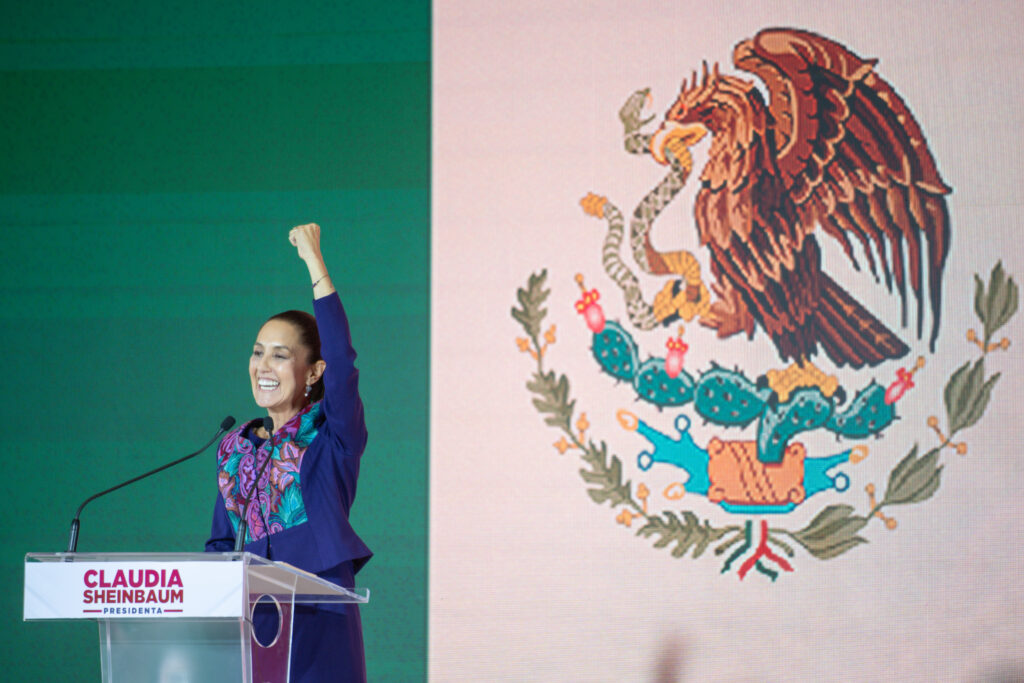
Mexico has officially filed a lawsuit against Google after the tech giant changed the label of the Gulf of Mexico to the Gulf of America on its Maps platform, Mexican President Claudia Sheinbaum announced Friday. The lawsuit follows months of diplomatic tensions triggered by President Donald Trump’s executive order earlier this year to rename the body of water.
At a press briefing, Sheinbaum confirmed that her administration had taken legal action, accusing Google of inappropriately extending the new label beyond U.S. jurisdiction and disregarding international boundaries.
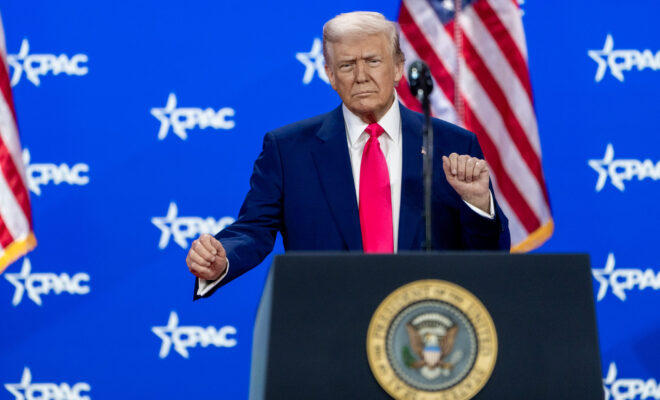
Immediately upon returning to office, President Trump signed an executive order renaming the northern portion of the Gulf of Mexico to the Gulf of America, a symbolic move meant to “reassert American dominance” over the region. The order applies only to the portion of the gulf within American waters.
“We’re going to be changing the name of the Gulf of Mexico to the Gulf of America, which has a beautiful ring. That covers a lot of territory,” Trump said. “The Gulf of America. What a beautiful name. And it’s appropriate.”
In February, shortly after the executive order was signed, Sheinbaum said, “What Google is doing here is changing the name of the continental shelf of Mexico and Cuba, which has nothing to do with Trump’s decree, which applied only to the U.S. continental shelf.”
Despite its limited legal scope, the order quickly led Google Maps to update its labels for U.S. users. Maps now show the name Gulf of America within U.S. borders, Gulf of Mexico within Mexico, and a hybrid label — Gulf of Mexico (Gulf of America) — for international viewers.
Google defended the update by citing its long-standing policy of reflecting official government designations within the countries where they apply. In a February response to the Mexican government, Google’s Vice President of Government Affairs and Public Policy, Cris Turner, stated the company would not reverse course, despite Mexico’s objections.
Mexico’s Foreign Relations Ministry had previously sent formal letters urging Google to reconsider, warning that the unilateral renaming of an internationally shared waterway could set a dangerous precedent. Mexico controls roughly 49% of the Gulf, compared to 46% under U.S. jurisdiction, with Cuba holding 5%, according to Sovereign Limits, a boundary data organization.
Last week, House Republicans passed the Gulf of America Act in a narrow 211–206 vote, taking the first legislative step toward enshrining Trump’s executive order into federal law. The bill now heads to the Senate, where its fate remains uncertain amid pushback from Democrats.
READ NEXT: Axios Caves To Trump On ‘Gulf Of America’ Usage