





WASHINGTON — In a high-stakes early morning vote, the U.S. House of Representatives narrowly passed President Donald Trump’s signature legislative package — the “One Big Beautiful Bill Act” — by a 215–214 margin. The bill represents a major policy win for Trump and House Speaker Mike Johnson (R-La.), achieved after weeks of arm-twisting across the Republican spectrum.
The legislation consolidates a wide range of conservative priorities, from tax relief and border security to Medicaid reform and education policy.
PASSED: THE ONE BIG BEAUTIFUL BILL ACT.
— House Republicans (@HouseGOP) May 22, 2025
House Republicans just passed this HISTORIC piece of legislation FOR YOU. pic.twitter.com/keVGJstR6c
What’s in the Bill
The 1,116-page package spans nearly every major policy area. Here’s a breakdown of the key provisions:
Tax Reform
- Extends Trump-era tax cuts from 2017.
- Adds new deductions for tips and overtime pay.
- Raises the SALT deduction cap from $10,000 to $30,000.
- Creates “MAGA” savings accounts: $1,000 per child for parents.
- Imposes a 5% tax on remittances sent out of the U.S.
- Hikes taxes on elite private university endowments.
- Authorizes the Treasury to revoke tax-exempt status from nonprofits linked to terrorist support.
Health Care and Social Programs
- Introduces Medicaid work requirements, to start before 2029.
- Raises Medicaid premiums for those above the poverty line.
- Increases eligibility verification checks.
- Prohibits Medicaid funds from covering:
- Gender-affirming care for minors.
- Abortion-related services by nonprofits.
- Illegal immigrants in all cases.
Defense and Border Security
- Adds $150 billion in defense spending, with a focus on drones and unmanned systems.
- Allocates $70 billion for border security, including physical barriers, surveillance tech, and staffing.
Education Overhaul
- Narrows Pell Grant eligibility.
- Launches Workforce Pell Grants for trade school enrollees.
- Eliminates federally subsidized loans for undergraduates.
- Removes the Department of Education’s power to regulate schools based on gainful employment outcomes.
Internal GOP Divide
The final vote came only after intense intra-party disputes. Conservative members pushed for faster implementation of Medicaid reforms and deeper cuts to clean energy tax credits, while moderate Republicans resisted several of the bill’s more hardline provisions — particularly those affecting health care access and education funding.
Representative Thomas Massie (R-Ky.), a well-known fiscal hawk, was the most vocal opponent of the bill — much to the frustration of President Trump and Speaker Johnson. Calling it a “debt bomb,” Massie warned ahead of the vote that it could saddle future generations with spiraling interest costs. His stance aligns with his longstanding record of opposing sweeping legislation, including his 2020 call for in-person voting during the pandemic stimulus debate.
I’d love to stand here and tell the American people “we can cut your taxes and increase spending and everything will be fine.”
— Thomas Massie (@RepThomasMassie) May 22, 2025
But I can’t because I’m here to deliver a dose of reality about the ticking debt bomb known as the “Big Beautiful Bill.” pic.twitter.com/eLT5GwNj11
Five House Republicans ultimately did not cast “yes” votes for President Trump’s bill.
In addition to Rep. Thomas Massie (R-Ky.), who vocally opposed the bill, Rep. Warren Davidson (R-Ohio) also voted no.
“While I love many things in the bill, promising someone else will cut spending in the future does not cut spending,” Davidson posted on social media. “Deficits do matter, and this bill grows them now.”
Rep. Andy Harris (R-Md.), chairman of the House Freedom Caucus, voted present — a symbolic move signaling disapproval without formally opposing the bill. He later posted the same federal debt chart shared by Davidson.
Meanwhile, Reps. David Schweikert (R-Ariz.) and Andrew Garbarino (R-N.Y.) missed the vote entirely.
According to Speaker Mike Johnson, Garbarino inadvertently “fell asleep in the back” after the House’s all-night session. Schweikert, for his part, attempted to vote but slipped his card in too late.
Johnson joked that he was going to “strangle [Garbarino], but he’s my dear friend.”
Budget Implications and Outlook
The White House claims the bill will generate $2.6 trillion in revenue over a decade through economic expansion. But the Congressional Budget Office projects the opposite: an added $3.8 trillion to the deficit by 2035.
Critics, including every House Democrat, argue the bill favors the wealthy while scaling back vital safety nets.
The legislation now heads to the Senate, where Republican leadership plans to use budget reconciliation to bypass a filibuster and pass the bill with a simple majority. The goal: final passage before July 4.
Trump Responds
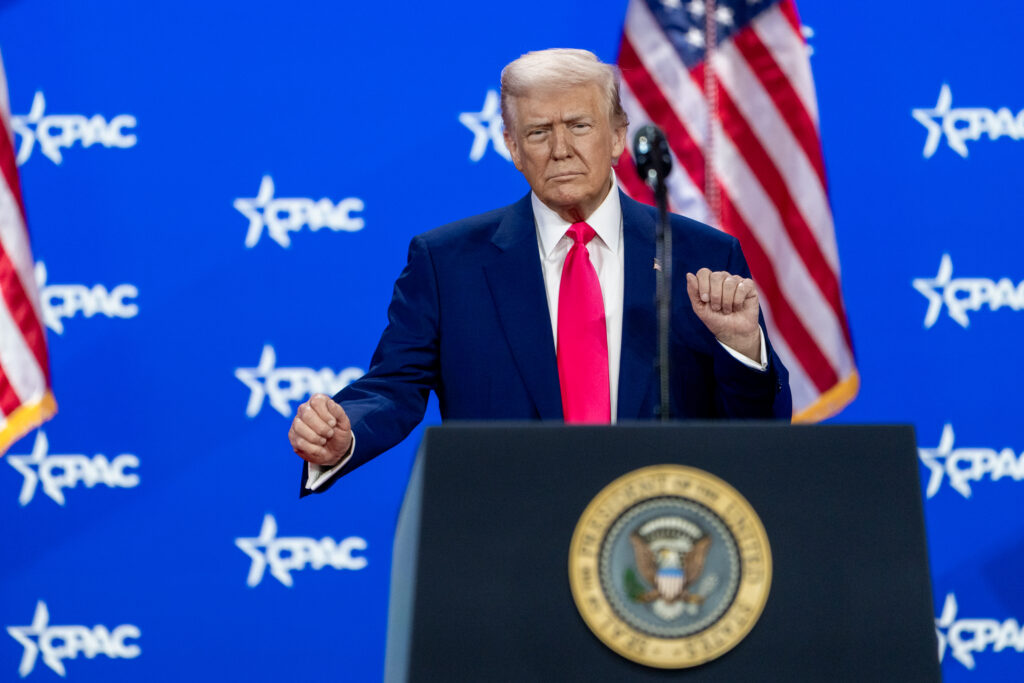
President Trump celebrated the House vote with a social media post, calling the bill:
“Arguably the most significant piece of Legislation that will ever be signed in the History of our Country!”
Senate deliberations are expected to intensify the national debate over what Trump’s backers call a bold reset of federal priorities, and what opponents see as an overreach with long-term costs.
READ NEXT: Bernie Sanders Exposes His Party And It’s Caught On Camera






















Thank you PRESIDENT TRUMP !
Imagine the good you rcould really do if the Democrats didn’t have TDS and a few fake Republicans where voted out.
The Americans that voted for you, voted for this. Again, THANK YOU MR. PRESIDENT.