









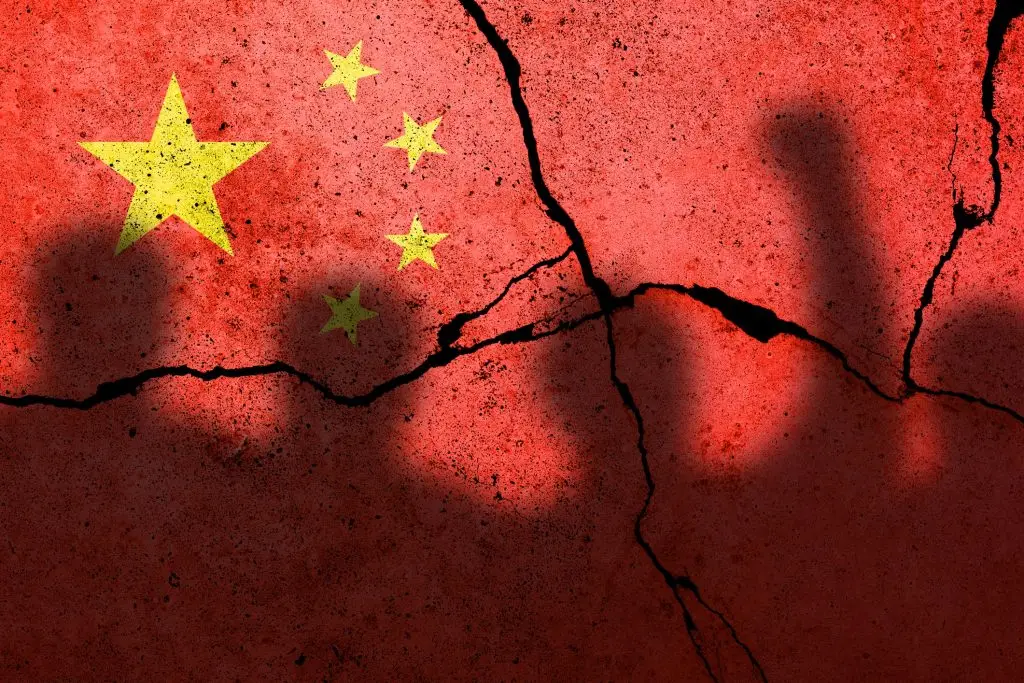
In a major escalation of the Trump administration’s efforts to combat foreign influence in American higher education, Secretary of State Marco Rubio announced Wednesday that the U.S. will begin revoking student visas for Chinese nationals with ties to the Chinese Communist Party (CCP) or those studying in strategically sensitive fields.
The policy shift is part of a broader crackdown on foreign student programs, particularly those operating within elite universities like Harvard, which the administration has accused of compromising U.S. interests through opaque partnerships and lax oversight.
The move comes just days after Harvard University filed a lawsuit against the administration’s decision to restrict its enrollment of foreign students, claiming the policy would devastate its student body and violate academic freedom.
“With the stroke of a pen, the government has sought to erase a quarter of Harvard’s student body,” the university argued in its complaint, insisting that international students are essential to its academic mission. “Without its international students, Harvard is not Harvard.”
The administration, however, views the issue through a national security lens, citing concerns over espionage, intellectual property theft, and ideological subversion—particularly by foreign governments hostile to the United States.
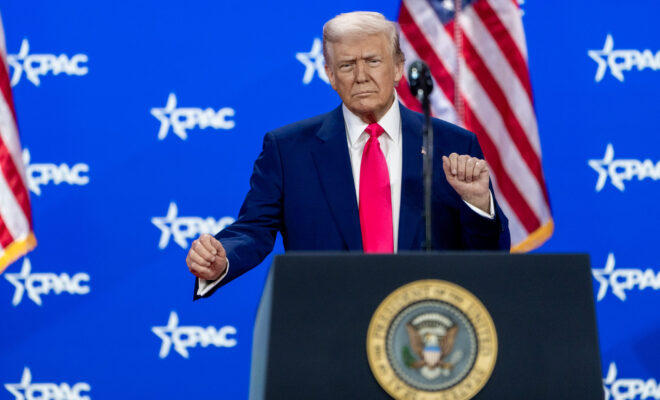
President Donald Trump weighed in on the controversy in a pointed post on Truth Social, blasting Harvard for what he sees as hypocrisy and a lack of transparency.
“Why isn’t Harvard saying that almost 31% of their students are from FOREIGN LANDS… and yet those countries, some not at all friendly to the United States, pay NOTHING toward their student’s education,” Trump wrote. “We want to know who those foreign students are… Harvard has $52,000,000,000, use it, and stop asking for the Federal Government to continue GRANTING money to you!”
Trump has repeatedly accused elite universities of turning a blind eye to CCP influence and failing to meet basic disclosure requirements related to foreign donations and student demographics. The administration is also reportedly reviewing federal contracts and grant agreements with schools that resist compliance.
Though Rubio did not specify which academic disciplines are under review, sources familiar with the policy say the crackdown will prioritize STEM fields—science, technology, engineering, and mathematics—where intellectual property and research security are considered most vulnerable.
In previous statements, Rubio has warned of the CCP’s long-standing campaign to exploit American openness in order to gain technological and strategic advantages.
“The Chinese Communist Party has been sending students to study in our universities not just to learn, but to collect, copy, and steal,” Rubio said in a recent interview. “We are finally putting national security before political correctness.”
As the legal and political battles unfold, one thing is clear: the era of unchecked globalism in American higher education is coming to an end—and scrutiny of foreign ties, especially with adversarial nations, is entering a new and more aggressive phase.
READ NEXT: Mandatory Espionage: It Is Time To Pause Chinese Student Visas













Harvard is lower than a whale stinkiy