


In a welcome sign of price stabilization, U.S. core inflation fell to its lowest annual rate since early 2021, while income rose more than expected — signaling improved purchasing power for Americans.
As Breitbart reports, the cooling trend could give the Federal Reserve more breathing room to hold interest rates steady without reigniting inflationary pressures:
The personal consumption price index climbed 0.1 percent in April, the second month in a row in which consumers got relief from inflation that had plagued the economy throughout the Biden administration. In March, the index showed prices were flat.
Compared with a year ago, prices are up just 2.1 percent. That just one-tenth above the two percent rate of inflation the Fed says it targets. In March, prices were up 2.3 percent from a year earlier.
Core prices, a measure that excludes food and energy, also rose 0.1 percent. Over the past year, core prices are up 2.5 percent, the smallest year-over-year increase since March of 2021.
Key Measures Show Broad Slowdown
Core PCE Inflation (Fed’s Preferred Gauge):
- Monthly increase: +0.12%
- Annual rate: 2.5% — lowest since March 2021
Headline PCE Inflation (Includes Food & Energy):
- Annual rate: 2.1% — unchanged from the previous month
Consumer Price Index (CPI):
- Monthly increase: +0.2%
- Annual rate: 2.3% — lowest in four years
These figures point to a consistent deceleration in consumer price growth, with both headline and core metrics trending closer to the Fed’s 2% inflation target.
CNBC also reported on the positive economic data, highlighting the encouraging signs for inflation and consumer spending.
What’s Driving the Decline?
Several categories are putting downward pressure on prices:
- Energy: Down 3.7% year-over-year
- Food: Slight 0.1% dip in April
- Shelter: Rent inflation eased to 4.0% annually — still elevated, but slowing
- Tariffs: Recent trade actions haven’t yet raised consumer prices significantly, but economists warn delayed effects are possible
Fed Holds the Line — For Now
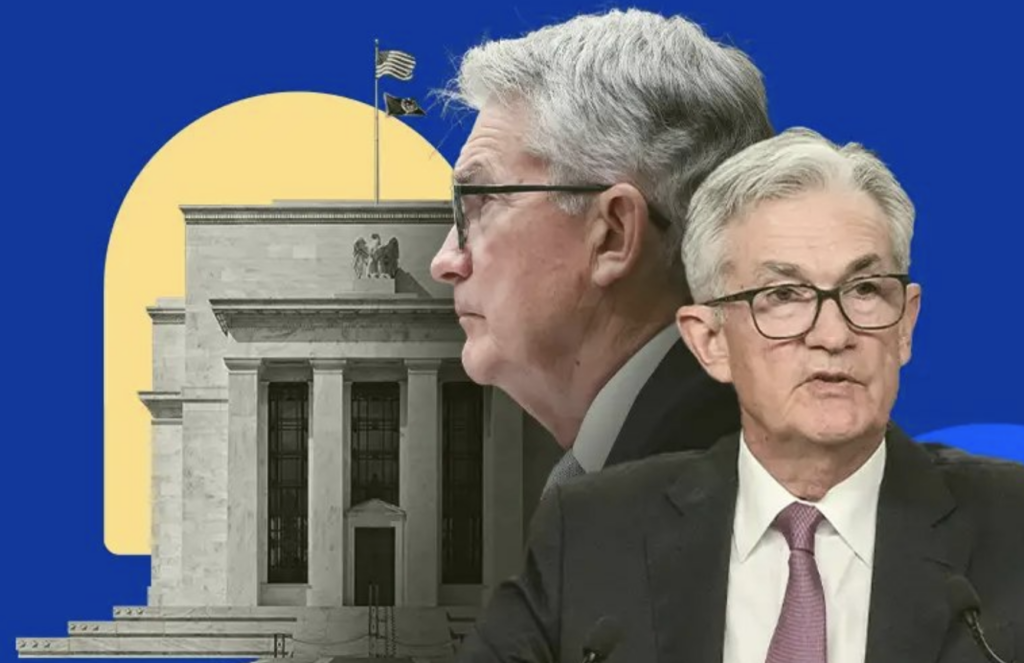
Despite political pressure to ease rates, the Federal Reserve is expected to maintain its current stance. Officials remain focused on:
- Sustained inflation moderation
- Tariff-related risks to consumer costs
- Longer-term economic stability
Markets appear to be aligned with the Fed’s wait-and-see approach, as rate cut expectations are now centered on late 2025 — contingent on continued price cooling and resilient job growth.
Bottom Line
After years of persistently high inflation, April’s data suggests real progress in taming price increases. But with shelter costs still elevated and trade policies shifting, the path ahead will require careful navigation. For now, stability is the name of the game.
READ NEXT: Top White House Ally Splits With Admin Over Sweeping New Bill