





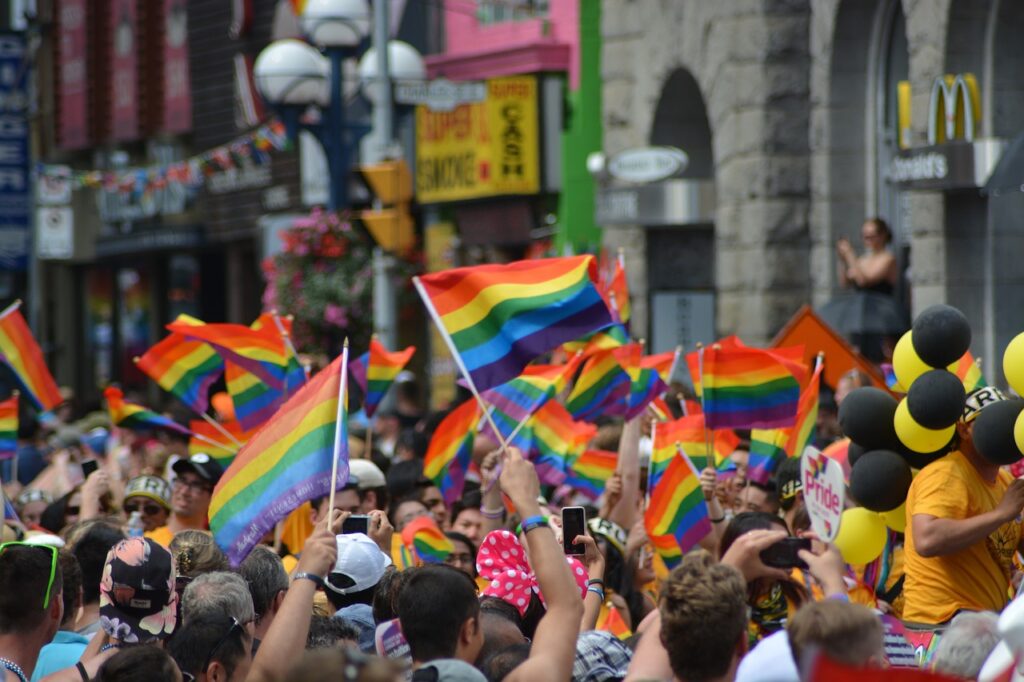
As Pride Month progresses, the once-vibrant wave of corporate support for LGBTQ+ visibility appears to be pulling back, with fewer rainbow logos, quieter marketing campaigns, and more subtle participation than seen in previous years. A new survey from Gravity Research reveals that 39% of companies plan to scale back their involvement in Pride Month in 2025—marking a significant retreat from a decade-long trend of increasingly visible corporate allyship.
Executives surveyed cited multiple reasons, but one stood out: fear of political reprisal. With former President Donald Trump back in office and his administration openly scrutinizing diversity, equity, and inclusion (DEI) programs, many companies are treading carefully, wary of attracting attention from either federal regulators or conservative consumers.
“Consumer brands are wary of provoking right-wing customers and activists, and they fear reprisals from President Donald Trump’s administration,” CNN reported. “Federal agencies have threatened to investigate companies with diversity, equity, and inclusion programs.”
Luke Hartig, president of Gravity Research, stated bluntly that the political climate under Trump is “driving the change” in corporate behavior. “Companies are under increasing pressure not to engage and speak out on issues,” he said, noting the stark contrast from recent years when rainbow-themed products and Pride campaign sponsorships were seen as standard practice for big brands.
Nowhere is the shift more visible than in companies like Target, once a major player in mainstream Pride Month campaigns. After years of backlash from conservative groups over its LGBTQ+ merchandise—including boycotts and public protests—Target has significantly scaled down its Pride displays.
“Target made a show of ditching its diversity and inclusion programs to please Donald Trump,” wrote tech and culture site Boing Boing. “Unfortunately for the company, Target has a distinctive customer base at odds with those politics… They’re still doing Pride Month, but so invisibly that it suggests a desire not to be seen.”
“Companies that show up only when it’s convenient, or backtrack the moment there’s political pressure, risk losing trust and credibility,” said Eric Bloem, Vice President of Corporate Citizenship at the Human Rights Campaign Foundation.
In today’s polarized environment, the risks of visible support now seem to outweigh the rewards for many companies—especially with the Trump administration reportedly exploring legal challenges to DEI initiatives and applying pressure to businesses through federal policy and rhetoric.
What was once a symbol of inclusion has now become a potential liability in the boardroom.
Underlying the corporate shift may also be a deeper current of social change in America. Despite years of cultural momentum for LGBTQ+ rights, there are signs that the public mood is turning more socially conservative. A resurgence in Christian practice—especially among younger evangelicals—and growing fatigue with the omnipresence of sexual and gender identity themes in mainstream culture have coincided with increased skepticism about the inclusion of transgender issues in schools, sports, and youth healthcare. What began as widespread support for same-sex marriage and anti-discrimination efforts has, for some, morphed into unease about how far the movement has gone, and how quickly. This cultural recalibration is beginning to influence not just politics, but how corporations calculate risk in engaging with social issues.
READ NEXT: White House Bans Activist After Inappropriate PRIDE Stunt


















Businesses who support perverts and rioters should not expect the people at large to support them