



A federal appeals court ruled Friday that drag performances at the upcoming Naples Pridefest must be held indoors and restricted to adult audiences, siding with the city of Naples in a case that has drawn national attention over its First Amendment implications.
The 11th Circuit Court of Appeals issued the decision just hours before the seventh annual Pridefest was scheduled to begin at Cambier Park. In the ruling, the court determined that Naples Pride “will not be substantially injured by a stay,” noting that similar restrictions were in place during previous years.
City officials defended the restrictions, citing public safety concerns identified by law enforcement. The conditions on the event permit require that all drag performances be moved indoors and limited to those aged 18 and over — a move city leaders say will maintain order in public spaces.
In a statement released after the ruling, the city of Naples emphasized its balancing act between public safety and civil liberties. “The city remains committed to protecting public safety while respecting constitutional rights and maintaining orderly administration of its public spaces,” the statement read.
Naples Pride organizers criticized the decision, arguing it represents a setback for free speech and LGBTQ+ visibility. “This decision pauses a thorough 49-page lower court ruling that clearly found Naples’ restrictions infringed on free speech,” the group stated. They also confirmed their legal challenge against the city’s policy will continue in the courts.
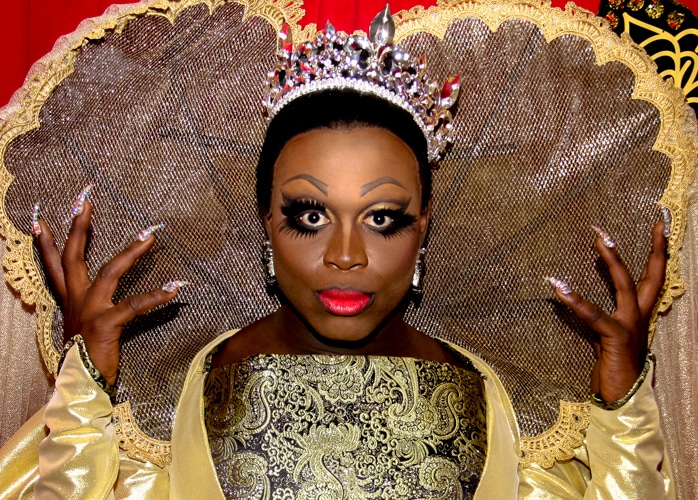
Despite the restrictions, Pridefest will proceed Saturday at Cambier Park. Drag shows, however, will be relocated to the Norris Center, a nearby indoor venue with a seating capacity of 200 per performance. Three shows are scheduled, all of which will be open to adults on a first-come, first-served, donation-based basis.
“Pridefest will go on as planned,” organizers announced, encouraging attendees to “bring your laughter, your joy, your truth, your friends, and your full self.”
The ruling adds to a growing list of legal and cultural battles over drag performances, LGBTQ+ rights, and public decency standards across the United States. Similar legal disputes have played out in other states as lawmakers and municipalities attempt to regulate the location and audience access of drag events, often prompting fierce backlash from gay rights advocates.
While the court’s ruling is a temporary measure pending further litigation, it underscores the mounting legal and political pressure surrounding Pride celebrations and LGBTQ+ expression in public spaces.
READ NEXT: Corporations Quietly Scale Back LGBTQ Pride Celebrations